

Thrilling to Cool Showa-Era Tunes! Classic Songs from Female Singers and Artists of the Showa Period

Showa-era songs are now loved by the younger generation too.
Many people probably think they’re “cool,” don’t they?
No wonder—there were so many timeless hits by female stars radiating overwhelming charisma, like Momoe Yamaguchi and Akina Nakamori.
Beyond their outstanding vocal ability, you can’t help but be drawn to their astonishing allure.
From Showa kayō and enka to rock and city pop, and more.
This is a playlist featuring cool Showa-era tracks across genres!
- Cool songs from the Showa era. Masterpieces from Showa that shine with sensuality, passion, and rugged charm.
- Top 1980s Female Singer-Songwriters: Popular Songs Ranking [2026]
- [Nostalgic Hits] Smash Hits with the Showa Generation! Classic and Popular Songs Sung by Female Vocalists
- [Classic Showa Kayō Hits] The captivating Showa-era pop songs beloved even by younger generations
- [Revisited] A roundup of popular and classic Showa-era songs that are trending now [2026]
- Nostalgic yet fresh!? Classic masterpieces of Japanese rock from the 1970s and 1980s
- A classic Showa-era kayōkyoku song sung by a female vocalist. A nostalgic tune passed down through the years.
- Popular Showa-era pop. Timeless hit songs.
- Heart-touching, tear-jerking masterpieces from the Showa era
- An iconic song by a female artist that Gen Z can get hyped about with their peers
- When you can’t decide what to sing at karaoke: Easy-to-sing classic hits from the Showa era
- Timeless classics only! Showa-era hit songs perfect for acoustic sing-alongs
- Songs by Showa-era idols that you’ll want to listen to now, in the Reiwa era!
Thrilled by cool Showa-era tunes! Classic Showa hits by female singers and artists (11–20)
Keiko’s Dream Opens at NightFuji Keiko
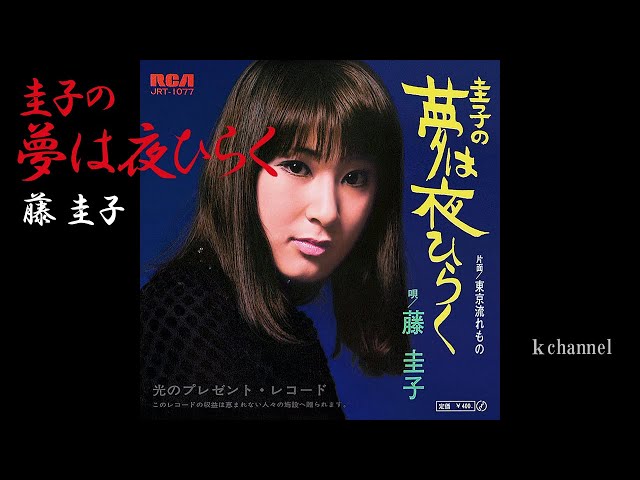
Known as one of Keiko Fuji’s signature songs, this piece is a classic that made a profound impact on the Showa-era pop scene.
With a voice both heartrending and powerful, it gives voice to sorrow and despair—resonating deeply with many listeners in light of the social climate of the time.
Upon its release in April 1970, it topped the Oricon singles chart for 10 consecutive weeks.
That same year, it won the Popularity Award at the Japan Record Awards, and Fuji made her first appearance on NHK’s Kōhaku Uta Gassen.
The song is distinguished by lyrics that vividly portray the emotions of people living in the night city, making it a track that speaks deeply to anyone struggling with life.
HOLD ME TIGHTraji

Known as a landmark of late-1970s city pop, this work was created with composition and arrangement by Yukihiro Takahashi and lyrics by Machiko Ryu.
Its urbane, sophisticated sound blends beautifully with Raji’s clear, translucent vocals.
It was released as a single in September 1977 and was also included on the album “Heart To Heart,” which came out around the same time.
The B-side features “Ai wa Tabun,” which was used in a Nissan Skyline commercial.
The lyrics delicately portray the ache of love and the loneliness of the night, resonating deeply with people living in the city.
It’s a classic that’s perfect for a nighttime drive or for relaxing with music on a quiet evening.
Simple LoveOhashi Junko

Released in 1977, this work incorporates elements of city pop while achieving a refined pop sound.
At the time, music on television was dominated by enka and folk, so its urban character felt fresh and garnered support, particularly among young people in major cities.
It received high praise both domestically and internationally, including a third-place finish at the 3rd Mallorca World Music Festival in 1977.
A pivotal turning point for Junko Ohashi, this piece has continued to be loved across generations, and the recent revival of city pop has brought it new attention from younger listeners.
It’s a highly recommended track for anyone who wants to savor a pleasant, metropolitan atmosphere.
Boy And GirlWada Akiko

Released in April 1969 as the B-side to Akiko Wada’s second single “Doshaburi no Ame no Naka de,” this track showcases Wada’s powerful vocals.
With lyrics by Toshiko Obinata and music by Ryochi Ozawa, the song’s words—centered on the joys and pains of love—leave a strong impression.
Strongly influenced by overseas soul music, Wada’s truly “dynamite” singing combined with a rhythmic melody brought a fresh sensation to the music scene of the time.
Known as one of her early signature works, it captures the allure she exuded soon after her debut.
Just a JokeKokubu Yurie

The urbane, sophisticated sound and the lyrics that sing of heartbreak blend exquisitely, embodying the aesthetics of city pop with a charm that grips the listener’s heart and never lets go.
YurIE Kokubu’s transparent, crystalline vocals brilliantly convey the ache of a bittersweet love.
Released in 1983 and included on the album “Relief 72 hours,” this song was highly regarded even at the time.
In recent years, it has also drawn attention from overseas listeners, helping ignite the city pop boom.
It’s especially recommended for adults troubled by love.
When you want to soothe the pain of heartbreak, why not give this song a listen?
Angel’s TemptationMayuzumi Jun

This is a signature work by Jun Mayuzumi, known as one of the leading songstresses of the Showa era.
Its lyrics, which portray the pain of heartbreak and a wistful longing, continue to resonate with many.
Released in February 1968, it won the 10th Japan Record Award that same year.
It was also used as the theme song for a film of the same title, cementing Mayuzumi’s status as a singer.
Blending a punchy, captivating voice with rich emotional expression, the song remains beloved by many fans today.
It’s recommended for those trying to overcome the pain of heartbreak and for anyone wanting to experience a classic of the Showa era.
You’ll surely be moved by Mayuzumi’s soul-stirring vocals.
Thrilled by cool Showa-era tunes! Classic Showa songs by female singers and artists (21–30)
Light Blue RainYagami Junko

Released in 1978, this song has a Latin pop feel.
Junko Yagami, singing in a speedy, high register while playing the piano, gives a strong and cool impression.
For this track, Yagami composed the music first, and among the lyrics later written by several lyricists, Noriko Miura’s version was selected.
This pairing went on to produce numerous hits, including Polar Star and Purple Town ~You Oughta Know By Now~.
