

A collection of iconic, cool Showa-era kayōkyoku classics sung by male vocalists

Even now, well past the 2020s, classic Showa-era hits continue to draw attention not only in Japan but also from music fans and artists abroad.
As famous singers cover 80s city pop and quote it in their own songs, many younger music fans are finding themselves wanting to learn more about Showa-era pop.
In this article, we’ve compiled songs under the theme of “cool Showa-era tunes sung by men” from among the countless masterpieces of Showa kayo.
From sleek, urban tracks and rock numbers to mellow ballads, enjoy a wide range of “cool” Showa-era songs!
- Cool songs from the Showa era. Masterpieces from Showa that shine with sensuality, passion, and rugged charm.
- Showa-era kayōkyoku: hit songs by male singers, classic masterpieces of Japanese popular music.
- [Songs from the Showa Era] Introducing classic tracks that are easy to sing at karaoke.
- Heart-touching, tear-jerking masterpieces from the Showa era
- Showa-era nostalgic songs: Popular ranking
- Songs Women Want Men to Sing: Popular Karaoke Picks Chosen by Girls
- Popular Showa-era pop. Timeless hit songs.
- Karaoke songs you’ll want to sing for men in their 70s: Enka and nostalgic Showa-era pop
- [Karaoke] Recommended Songs for Men in Their 80s: A Collection of Showa-Era Classics You’ll Want to Belt Out
- [Classic Showa Kayō Hits] The captivating Showa-era pop songs beloved even by younger generations
- Must-see for men: Songs that look cool if you can sing them at karaoke—numbers that women can’t help but be captivated by.
- [For Beginners] Recommended Enka Masterpieces for Karaoke — Male Singers Edition
- Timeless classics only! Showa-era hit songs perfect for acoustic sing-alongs
Compilation of cool classic Showa-era kayōkyoku masterpieces sung by male vocalists (1–10)
La Vie en RoseYoshikawa Koji

Kouji Kikkawa is an artist who is also active as an actor.
His legendary duo with Tomoyasu Hotei, COMPLEX, still enjoys steadfast popularity among many fans today.
One track that’s packed with Kikkawa’s charm is La Vie en Rose.
Although he has a strong rock image, if you listen closely, you’ll notice his vocals are soft and sweet.
When you sing it yourself, try to avoid belting or singing roughly; aim for smooth vocals like his.

You are in full color.Ohtaki Eiichi

Known as a masterpiece by Eiichi Ohtaki, this work shines brilliantly in the history of Japanese pop music.
Released as a single in March 1981, it was also included on the album “A LONG VACATION.” Takashi Matsumoto’s carefully crafted lyrics blend beautifully with Ohtaki’s sophisticated melodies, delicately portraying lingering attachments to a lost love and the beauty of its memories.
It’s also fascinating that, although the chorus was originally planned to be raised by a whole step, the creators ended up lowering only the chorus’s key due to the awkward feel when paired with the lyrics—an unusual production choice.
With its urbane, stylish atmosphere, this song is recommended for those who want to savor the bittersweetness and nostalgia of romance.
one piece of musicMurata Kazuhito

Kazuhito Murata was a singer-songwriter active from the late 1970s through the 1980s.
He was known for his bright, solid vocal timbre—reminiscent of Akira Fuse and Kiyohiko Ozaki—and boasted outstanding singing ability.
One of his signature works is “Ippon no Ongaku” (“One Piece of Music”).
While not exactly city pop, it’s quite close in style, with a smooth vibe throughout.
If you’re good at Tatsuro Yamashita’s “RIDE ON TIME,” you’ll likely find this song easy to sing—so give it a try.
A compilation of cool Showa-era kayōkyoku classics sung by men (11–20)
SHININ’ YOU, SHININ’ DAYChar

Included on the debut album released in 1976, this track had a major impact on the Japanese rock scene of the time.
Its brisk rhythm and melodic guitar stand out, and Char’s distinctive guitar playing and songwriting are highly acclaimed.
The lyrics carry a positive message that captures the sparkle of everyday life, winning over fans’ hearts.
It is frequently performed live and was featured at the 45th-anniversary concert in 2021, continuing to be loved by many to this day.
With strong elements of blues rock and funk—especially its memorable guitar riff—this piece is recommended not only for music lovers but also for those looking for an uplifting boost.
Laura Covered in ScarsSaijō Hideki

Hideki Saijo’s vocals, which transcend the idol category, are truly striking.
Above all, his defining trait is that powerful yet sexy voice born from his uniquely distinctive timbre.
The song Kizudarake no Laura showcases Saijo’s sensuality to the fullest.
To make this track sound cool, it’s effective to use a technique where you intentionally flip the voice—adding falsetto at the very moment of the “guin,” a hallmark of Amami folk singing.
Doing so creates both wildness and sensuality.
And then I’m at a lossŌsawa Yoshiyuki

Singer-songwriter Yoshiyuki Ohsawa, who gained popularity with his distinctive husky voice.
You still see him occasionally on special music programs.
His “And Then I’m At a Loss” is one of his signature works.
It’s a ballad influenced by American pop rock of the time, with a track that evokes the city at night.
Many might think you need a husky voice to sing this song coolly, but that’s not necessarily the case.
If the climactic part of the chorus is where your volume peaks, your voice will acquire just the right rasp to capture the stylish vibe of Yoshiyuki Ohsawa.
Give it a try.
Back then, Marie Saint-LaurentKato Kazuhiko
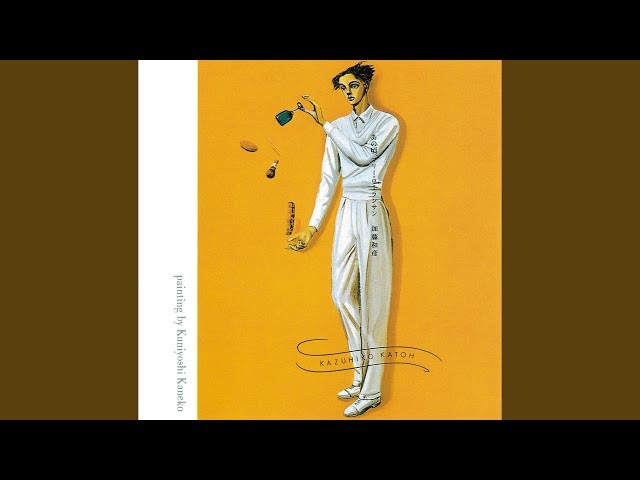
A quintessential hit of the 1980s, woven from urbane sounds and lyrical poetry.
Kazuhiko Kato’s gentle vocals vividly depict Tokyo’s scenery and the everyday lives of its people.
Featured on the album “Back Then, Marie Laurencin,” released in September 1983, the track—enhanced by performances from illustrious musicians like Haruomi Hosono and Ryuichi Sakamoto—captured the hearts of many listeners as a refined piece of urban pop.
The lyrics are filled with scenes anyone can relate to, from leisurely weekend dates to the excitement of a new chapter in life, making it perfect for those who want to feel the subtleties of adult romance and the nuances of living.
A must-listen masterpiece for anyone interested in city pop.