

A collection of iconic, cool Showa-era kayōkyoku classics sung by male vocalists

Even now, well past the 2020s, classic Showa-era hits continue to draw attention not only in Japan but also from music fans and artists abroad.
As famous singers cover 80s city pop and quote it in their own songs, many younger music fans are finding themselves wanting to learn more about Showa-era pop.
In this article, we’ve compiled songs under the theme of “cool Showa-era tunes sung by men” from among the countless masterpieces of Showa kayo.
From sleek, urban tracks and rock numbers to mellow ballads, enjoy a wide range of “cool” Showa-era songs!
- Cool songs from the Showa era. Masterpieces from Showa that shine with sensuality, passion, and rugged charm.
- Showa-era kayōkyoku: hit songs by male singers, classic masterpieces of Japanese popular music.
- [Songs from the Showa Era] Introducing classic tracks that are easy to sing at karaoke.
- Heart-touching, tear-jerking masterpieces from the Showa era
- Showa-era nostalgic songs: Popular ranking
- Songs Women Want Men to Sing: Popular Karaoke Picks Chosen by Girls
- Popular Showa-era pop. Timeless hit songs.
- Karaoke songs you’ll want to sing for men in their 70s: Enka and nostalgic Showa-era pop
- [Karaoke] Recommended Songs for Men in Their 80s: A Collection of Showa-Era Classics You’ll Want to Belt Out
- [Classic Showa Kayō Hits] The captivating Showa-era pop songs beloved even by younger generations
- Must-see for men: Songs that look cool if you can sing them at karaoke—numbers that women can’t help but be captivated by.
- [For Beginners] Recommended Enka Masterpieces for Karaoke — Male Singers Edition
- Timeless classics only! Showa-era hit songs perfect for acoustic sing-alongs
A compilation of cool Showa-era kayōkyoku classics sung by men (11–20)
It’s such a buzzkill.Kozaka Tadashi

Known as a classic of the Showa-era kayōkyoku, this song is included on the album “HORO,” released in January 1975.
With lyrics by Takashi Matsumoto and music by Haruomi Hosono, it’s a track that highlights Chu Kosaka’s distinctive vocal style.
The lyrics portray cooled-off romantic feelings in a sleek, urban way, perfectly capturing the sentiments of young people at the time.
Highly regarded as a pioneering work of Japanese soul music, it became a pivotal piece that propelled Kosaka’s solo career.
It’s a song that resonates deeply after a breakup or when you’re weary of love, and it’s also recommended for anyone who wants to savor a chic, cool atmosphere.
Summer HornsInagaki Junichi

Released in 1983, this work brims with an urban, stylish allure.
The lyrics, which look back nostalgically on lost summer memories and the end of a romance, resonate deeply with listeners.
Junichi Inagaki’s rich vocals blend beautifully with the pop melody to create a superb track.
It was also used in a commercial for Fujifilm’s car-stereo-only audio cassette tape “GT-I,” making it popular across generations.
It’s said that the chorus was completed after more than 100 takes.
Give it a listen when you want to revisit bittersweet summer memories, as a companion on a drive, or when you’re trying to move past a farewell with someone precious.
The Woman in the DunesSuzuki Shigeru

Set against a winter seaside, this song poignantly yet powerfully depicts the emotions of a man and a woman on a windswept, snow-swept beach—one of Shigeru Suzuki’s masterpieces.
Included on the album “BAND WAGON,” released in March 1975, the piece was composed by Suzuki with lyrics by Takashi Matsumoto.
It’s also intriguing that the song was inspired by Suzuki’s experience watching a George Harrison concert in San Francisco.
Often performed at the climax of live shows, the latter half unfolds into a heated session that showcases Suzuki’s standout guitar work.
It’s a recommended track for those who wish to overlay their own experiences onto the scenes of a couple portrayed against a wintry sea.
One piece of musicMurata Kazuhito

Kazuhito Murata’s signature song, released in June 1983, was tied in as a Maxell commercial theme.
Produced by Tatsuro Yamashita, it features a breezy West Coast sound.
The light, upbeat guitars and mellow synthesizers weave a comfortable melody that gently embraces the listener.
The lyrics depict music’s power to enrich life’s journey, giving us the courage to move forward without clinging to the past.
It’s a fresh, stylish track that makes you want to listen while driving on a summer night.
SunsetMatsushita Makoto
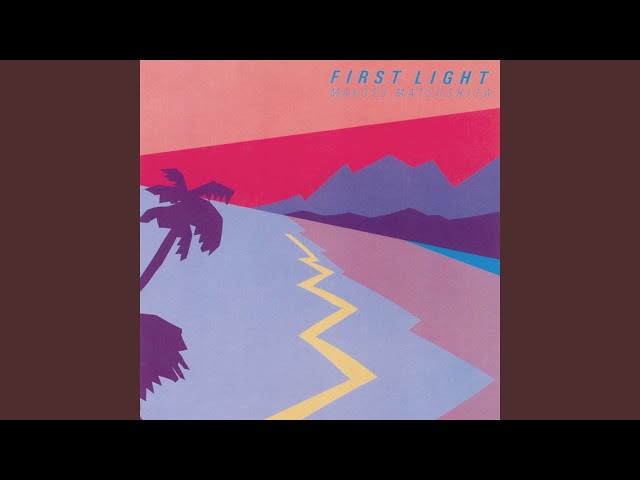
A classic Showa-era kayōkyoku sung by Makoto Matsushita, distinguished by its glossy, silky guitar tone.
Centered on the theme of the setting sun, this piece beautifully fuses a sweet melody with an urban sound.
Included on his 1981 debut album “First Light,” it still radiates an unfading allure as a landmark of city pop.
The polished production—shaped by AOR and fusion influences—embodies the cutting-edge sound of its time.
Its nostalgic atmosphere, evoking the end of summer, conveys a mature calm and a touch of melancholy.
It’s a track you’ll want to play on a drive after work or while spending a quiet night alone.
Vacations are always rainySugi Mari

This song is notable for its light, airy synthesizer tones and catchy melody.
Lyrics about a red umbrella in the rain and the stirrings of young love resonated deeply with the youth of the time.
Released in October 1982, it was also featured in a commercial for Glico’s “Cecil Chocolate,” which boosted its popularity.
Mari Sugiyama’s gentle vocals beautifully convey both the ache of unrequited love and a forward-looking spirit.
It’s perfect for anyone feeling the pain of a one-sided crush or looking for a song to play on a rainy day.
Highly recommended as a companion for a drive, too.
Compilation of Cool Showa-Era Kayōkyoku Classics Sung by Male Vocalists (21–30)
Young BloodsSano Motoharu

“Young Bloods” is a pop song by singer-songwriter Motoharu Sano with an addictive rhythm.
Created as the theme song for the International Youth Year established by the United Nations, it’s remembered for the episode in which its royalties were donated as charity funds to aid refugees in Africa.
The song’s charm lies in Sano’s vocals and the backing performance, which give you the energy to dash toward a shining future.
Both are top-notch, resulting in a remarkably avant-garde sound even within the realm of kayōkyoku (Japanese popular songs).
