

A hugely popular star who colored the Showa era, known by everyone.

When you think of the Showa era, who comes to mind? Who is the star that represents Showa for you?
During the Showa period, there were countless “stars” across many fields—actors, singers, rakugo performers—people everyone knew and admired.
In this article, we’ll introduce some of the iconic stars who defined the Showa era.
We’ve gathered a variety of luminaries: those who appeared in numerous films and TV dramas, multi-talented figures who thrived as both actors and singers, and artists who gave us countless beloved classic songs.
Be sure to check out these stars who shone with a brilliance unlike anyone else!
- List of popular Showa-era actresses that bring back memories: introducing iconic stars who evoke nostalgia
- A compilation of beautiful actresses and singers from the Showa era: the beauties who captivated countless fans.
- Recommended love songs for people in their 80s: A collection of classic love songs that colored the Showa era
- [Karaoke] Recommended Songs for Men in Their 80s: A Collection of Showa-Era Classics You’ll Want to Belt Out
- A directory of popular women’s pro wrestlers from the Showa era: the star players who energized the times.
- Songs that get men in their 90s excited: A roundup of classic karaoke recommendations
- [For Seniors] Winter songs you'll want to hum along to. A collection of classic tunes recommended for BGM and recreational activities
- For seniors: Recommended youthful songs for people in their 90s. A collection of classic Showa-era hits.
- A must-see for the Showa generation! Nostalgic popular snacks from the old days
- Karaoke songs you’ll want to sing for men in their 70s: Enka and nostalgic Showa-era pop
- The Complete Guide to Showa-Era Toys: From Showa retro to toys still loved today
- Who is your favorite idol? Popular idols from the Showa era.
- Easy-to-sing songs recommended for men in their 80s: Showa-era classics to perform at karaoke
Top 10 immensely popular stars who colored the Showa era, known by everyone
Akira Kobayashi
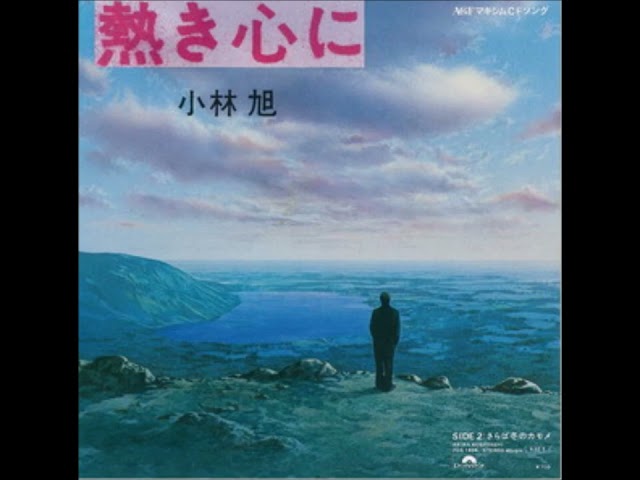
Speaking of Akira Kobayashi, he’s a superstar who represents the Showa era.
It’s said that he joined a theater troupe in childhood and performed on stage, and he went on to appear in numerous popular films such as the “Wataridori (Roving) Series” and the “Nagamemono (Drifter) Series,” helping to build the golden age of Japanese cinema.
In 1958, he also made his debut as a singer with “Onna o Wasurero” (Forget the Woman), gaining popularity not only as an actor but also as a vocalist.
Kobayashi’s singing voice is powerful and dynamic, captivating listeners.
Because he sings with a distinctive use of high notes, his style is affectionately known as the “Akira-bushi.”

Toshiro Mifune

When it comes to iconic actors who represent postwar Japanese cinema, many people probably think of Toshiro Mifune.
He made his debut in 1947 with Snow Trail and quickly became a popular star.
He went on to appear in numerous famous films such as Seven Samurai, Yojimbo, and Red Beard, and Rashomon is well known for winning the Grand Prix at the Venice International Film Festival.
Beyond acting, he founded his own production company in 1962 and demonstrated his talent as a producer as well.
Even after his passing in 1997, the films in which Toshiro Mifune appeared continue to be loved by many.
Kenji Sawada

Kenji Sawada, also known as the vocalist of The Tigers and PYG, is affectionately called “Julie.” Having pursued a long career in music, he can be considered a living legend of the Japanese pop scene.
He made his solo debut in 1971 with “Kimi o Nosete,” and his 1973 release “Kiken na Futari” became a hit, earning him the 4th Japan Kayō Awards.
He also won the same award—and the Japan Record Award—for his 1977 release “Katte ni Shiyagare.” He boasts an astounding 17 appearances on NHK’s Kōhaku Uta Gassen.

Beloved superstars who colored the Showa era that everyone knows (11–20)
Shintaro Katsu

Shintaro Katsu, a major star of the Japanese film world known for works such as Zatoichi, Akumyō, and Hoodlum Soldier.
Born into a show-business family, Katsu displayed his talents in many fields as an actor, singer, and film director.
Among his works, Zatoichi was especially popular, spawning a total of 26 films and a television series that ran for 100 episodes, winning the hearts of viewers at home.
His popularity is evident from a 2014 survey of favorite Japanese film actors, in which he ranked fourth.
Even after his passing in 1997, he has continued to be loved by many fans.
Yuzo Kayama

Yuzo Kayama made his film debut in 1960 with Man to Man and his singing debut the following year with Sun of the Night.
The Young Guy film series became a major hit, catapulting him to stardom, and he went on to release numerous classic songs such as Kimi to Itsu Made mo and Umi Sono Ai.
He appeared many times on NHK’s Red and White Song Battle, even serving as host.
In 2014, he received the Order of the Rising Sun, Gold Rays with Rosette, awarded to individuals with distinguished achievements.
He was hospitalized in 2020 due to a cerebellar hemorrhage, but recovered and showed us his vitality once again.
However, in 2022 he announced his retirement from concert activities.
It’s sad that we won’t be able to hear that singing voice live anymore…
Momoe Yamaguchi

Debuting with the single “Toshigoro,” Momoe Yamaguchi—the Showa-era songstress who gifted us countless masterpieces like “Ii Hi Tabidachi,” “Sayonara no Mukougawa,” and “Cosmos”—captivated audiences with her powerful vocals and beautiful low register, maintaining unwavering popularity as a postwar idol.
After openly acknowledging the person she loved and completing her legendary farewell concert, she gracefully retired from show business.
Yet even in retirement, her allure has never faded.
Decades later, her singing still moves our hearts.
Yusaku Matsuda

Yusaku Matsuda, famous for playing Detective Goro “Jeans” in the TV drama Taiyo ni Hoero.
His representative works include The Resurrection of the Golden Wolf, The Beast to Die, and Kagero-za.
In 1983, he won Best Actor awards from Kinema Junpo and the Hochi Film Award for The Family Game.
He was also well known not only as an actor but for his work as a director.
In 1989, he made his Hollywood debut in Black Rain and became internationally renowned.
His portrayal of Sato in the film was highly acclaimed in Hollywood.
Though Yusaku Matsuda passed away suddenly before achieving all he set out to do, his name continues to be celebrated in Japanese cinema.