

[Revisited] A roundup of popular and classic Showa-era songs that are trending now [2026]


The Showa era gave birth to countless timeless classics loved across generations.
Now, those masterpieces from the Showa period are once again in the spotlight.
They’re gaining attention as they’re used on social media and video platforms like TikTok and YouTube, and as various artists and actors release cover versions.
In this article, we’ll introduce Showa-era songs that are trending right now!
For those who listened in real time back then, it’ll be nostalgic; for younger generations who didn’t experience the era, it might help you think, “So these are the songs that are trending on social media.”
Be sure to find your own favorite Showa tune!
- [Classic Showa Kayō Hits] The captivating Showa-era pop songs beloved even by younger generations
- Revival hits driven by social media! Classic Showa-era songs popular with Gen Z
- Showa-era nostalgic songs: Popular ranking
- Popular Showa-era pop. Timeless hit songs.
- [Songs from the Showa Era] Introducing classic tracks that are easy to sing at karaoke.
- So nostalgic it feels new? Showa retro classics that colored Japan’s period of rapid economic growth
- A Showa-era song that had a revival hit on YouTube Shorts
- A classic Showa-era kayōkyoku song sung by a female vocalist. A nostalgic tune passed down through the years.
- Cool songs from the Showa era. Masterpieces from Showa that shine with sensuality, passion, and rugged charm.
- Evokes the charm of the good old days. Showa-era inspirational songs that are still loved today.
- [2026] Only Masterpieces Born in the Reiwa Era! Spring Songs Recommended for Teens
- Karaoke Popularity Ranking by Generation [50s] [2026]
- Popular 80s hits for karaoke. Sing kayōkyoku and pop songs!
[Spotlight Again] A roundup of popular and classic Showa-era songs currently trending [2026] (41–50)
A Member of the Fire BrigadeRATS&STAR

“Megumi no Hito” is a soulful kayōkyoku (Japanese pop) released in 1983 by Rats & Star, with Masayuki Suzuki as the lead vocalist.
Kumi Koda’s cover is also well known, and lately the song has seen a resurgence on social media like TikTok, along with a signature pose where the peace sign is turned sideways.
The original track blends Latin and funk elements, while Kumi Koda’s cover is arranged as dance music with a programmed, electronic base.
It’s fun to compare the original and the cover, so give it a try if you like.

Purple TownYagami Junko

A heart-stirring classic that portrays urban loneliness and longing for a loved one, set against the backdrop of New York City.
Crafted by Junko Yagami from her own time living in Los Angeles, this gem tenderly wraps the warmth of human connection within the chill and solitude of city life, carried by her clear, luminous voice.
Released in July 1980, the song was also featured in a Japan Airlines commercial and became a major hit, reaching No.
2 on the Oricon chart and selling over 600,000 copies.
It is also known as Yagami’s debut performance piece on that year’s Kōhaku Uta Gassen.
To this day, it remains beloved across generations.
Sinbad on the Shorepinku redii

Released in June 1977, this song is widely recognized as one of Pink Lady’s signature hits.
Set against a summery seaside backdrop, it’s a catchy pop track that vividly portrays the emotions of a woman falling in love, leaving a lasting impression on listeners.
It became Pink Lady’s first million-selling single and has continued to be cherished across various media for many years; today, it’s reportedly popular with younger generations as well through platforms like TikTok.
In 2005, it was even used as the theme song for Episode 2 of the NTV Wednesday 10 p.m.
drama “Otona no Natsuyasumi,” showing its cross-generational appeal.
It’s a perfect pick for the beach season—highly recommended as background music for seaside dates and creating summer memories.
You Are the One Who Rings That BellWada Akiko

When it comes to signature songs by Akiko Wada, a diva who represents the Showa era, many people probably think of this track.
Released in March 1972, this masterpiece—written by Yū Aku and composed by Koichi Morita—initially peaked at only No.
53 on the Oricon chart, but gradually gained popularity and has now cemented its status as a timeless classic of the Showa period.
The lyrics feature words like “town” and “desert,” symbolically expressing loneliness and hope.
Wada’s powerful vocals make it a song that resonates with listeners, including younger generations.
Light Blue RainYagami Junko

Released in 1978, this is Junko Yagami’s biggest hit.
It has been covered by many famous artists, including Tatsuya Ishii and Aya Matsuura.
After Yagami finished composing the music, she commissioned several lyricists and chose Tokiko Miura’s lyrics.
Imagining Yagami’s strong-willed persona, Miura wove in imperative statements—unusual for the time.
While the lyrics evoke a strong woman, they can also be felt as a portrayal of someone hiding her vulnerability and bravely putting on a tough front to endure her loneliness.

Last Summer WhisperAnri

Anri’s signature song, released in November 1982, is attracting renewed attention after 40 years.
Featured on the classic album Heaven Beach, a symbol of city pop’s golden era, this gem was written and composed by Toshiki Kadomatsu.
Anri’s clear, airy vocals trace the bittersweet feelings of a late-summer romance.
In 2020, R&B singer Genevieve sampled it in Baby Powder, introducing its allure to a new generation.
It’s a track you’ll want to play on nostalgic nights or at the turn of the seasons.
FANTASYNakahara Meiko
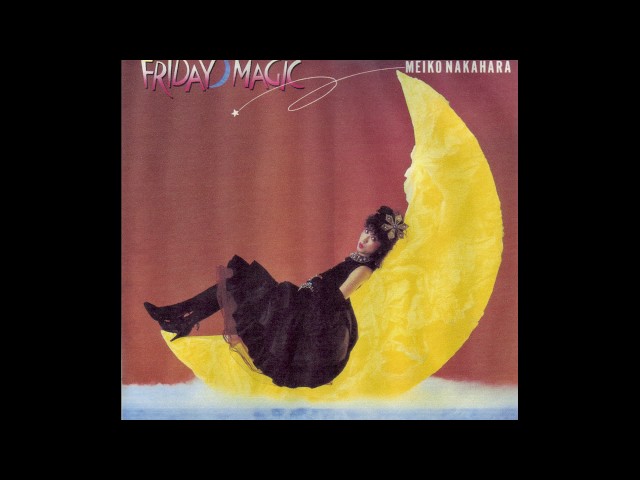
Let me introduce a positive breakup song, “FANTASY.” It’s a track performed by singer-songwriter Meiko Nakahara, included on her second album, “Cinderella Until 2 O’Clock – FRIDAY MAGIC -.” The lyrics depict a woman who, after a breakup, finds her way to a new love.
With dance as its theme and a laid-back, danceable sound, it has become a highly popular song among young people today.

The Day the Seagulls FlewWatanabe Machiko
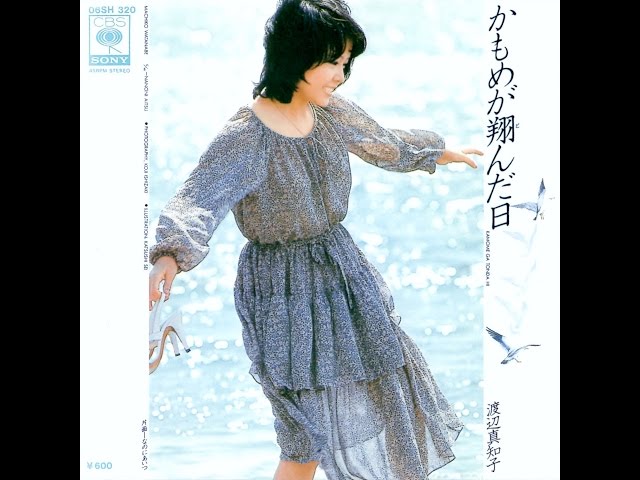
Set in a port town, this gem of a ballad poignantly portrays the pain of heartbreak.
Against the glittering morning seascape, the singer overlays her feelings for a departing lover onto a single seagull, creating a moving masterpiece.
Released in April 1978, it became one of Machiko Watanabe’s signature songs, peaking at No.
5 on the Oricon charts.
The track won numerous music awards and drew attention to her as a rising talent among female singers.
In 2007, it was adopted as a Chiba Lotte Marines cheer song, with a special stadium version also released.
A performance by Japan’s dance team Avantgardey, featuring their unique choreography, garnered significant buzz and boosted the song’s recognition among younger audiences.
It’s a recommended listen for anyone who can relate to a woman quietly accepting the pain of lost love, or for those who wish to revisit youthful memories alongside the scenery of a harbor town.
Let yourself go with the flow of timeTeresa Ten

Among the many masterpieces that sing of deep love, this is a particularly moving song.
It deftly depicts the evolving landscapes of love over time, and through its exquisite melody and exceptional expressiveness, it showcases Teresa Teng at her very best.
The song beautifully portrays unconditional love for someone dear, along with the self-sacrifice that springs from it, gently enveloping the listener’s heart.
Released in February 1986, it was also included on the album “Toki no Nagare ni Mi o Makase” (I Only Care About You).
It achieved the remarkable feat of winning the Grand Prix at the 19th Japan Cable Radio Awards for the third consecutive year, and it also received the Gold Award at the 28th Japan Record Awards.
Even today, it is widely covered by many artists and cherished across generations.
It is a recommended listen when you are thinking of someone special or wish to spend time in a calm, peaceful mood.
Why not immerse yourself in memories with a loved one and enjoy a heartwarming moment?
Heartbroken over JuliaChekkāzu

Formed in 1980 in Kurume, Kyushu during the heyday of rock bands, the Checkers took Japan’s music scene by storm in no time with their fresh sound that mixed rock ’n’ roll, doo-wop, and a 1950s vibe with saxophone.
“Julia ni Heartbreak” is one of their signature songs, memorable for its catchy melody and the poignantly resonant sax.
The lyrics, which speak of losing something precious after moving to the big city, carry a melancholy tone that lets you savor the fleeting nature and beauty of youth.
