

[Revisited] A roundup of popular and classic Showa-era songs that are trending now [2026]


The Showa era gave birth to countless timeless classics loved across generations.
Now, those masterpieces from the Showa period are once again in the spotlight.
They’re gaining attention as they’re used on social media and video platforms like TikTok and YouTube, and as various artists and actors release cover versions.
In this article, we’ll introduce Showa-era songs that are trending right now!
For those who listened in real time back then, it’ll be nostalgic; for younger generations who didn’t experience the era, it might help you think, “So these are the songs that are trending on social media.”
Be sure to find your own favorite Showa tune!
- [Classic Showa Kayō Hits] The captivating Showa-era pop songs beloved even by younger generations
- Revival hits driven by social media! Classic Showa-era songs popular with Gen Z
- Heart-touching, tear-jerking masterpieces from the Showa era
- Showa-era nostalgic songs: Popular ranking
- Popular Showa-era pop. Timeless hit songs.
- [Songs from the Showa Era] Introducing classic tracks that are easy to sing at karaoke.
- So nostalgic it feels new? Showa retro classics that colored Japan’s period of rapid economic growth
- A Showa-era song that had a revival hit on YouTube Shorts
- A classic Showa-era kayōkyoku song sung by a female vocalist. A nostalgic tune passed down through the years.
- Cool songs from the Showa era. Masterpieces from Showa that shine with sensuality, passion, and rugged charm.
- Evokes the charm of the good old days. Showa-era inspirational songs that are still loved today.
- [2026] Only Masterpieces Born in the Reiwa Era! Spring Songs Recommended for Teens
- Karaoke Popularity Ranking by Generation [50s] [2026]
[Spotlight Again] A roundup of popular and classic Showa-era songs currently trending [2026] (41–50)
After all, I’m an idolKoizumi Kyoko

This song is known as a quintessential work of 1980s idol pop.
The lyrics open with a scene of jumping out of a red convertible and go on to portray an idol’s everyday life and feelings.
The phrase “pure, proper, and beautiful” underscores the importance of image management for idols.
Released in November 1985, it was also used in a commercial for Fuji Photo Film’s “Cardia.” In 2006, it was featured in a Subaru Stella commercial by Fuji Heavy Industries.
Kyoko Koizumi’s clear and charming vocals remain as captivating as ever.
It’s a recommended track for those who want to look back on the idol era or are interested in 1980s music.
Purple TownYagami Junko

A heart-stirring classic that portrays urban loneliness and longing for a loved one, set against the backdrop of New York City.
Crafted by Junko Yagami from her own time living in Los Angeles, this gem tenderly wraps the warmth of human connection within the chill and solitude of city life, carried by her clear, luminous voice.
Released in July 1980, the song was also featured in a Japan Airlines commercial and became a major hit, reaching No.
2 on the Oricon chart and selling over 600,000 copies.
It is also known as Yagami’s debut performance piece on that year’s Kōhaku Uta Gassen.
To this day, it remains beloved across generations.
Last Summer WhisperAnri

Anri’s signature song, released in November 1982, is attracting renewed attention after 40 years.
Featured on the classic album Heaven Beach, a symbol of city pop’s golden era, this gem was written and composed by Toshiki Kadomatsu.
Anri’s clear, airy vocals trace the bittersweet feelings of a late-summer romance.
In 2020, R&B singer Genevieve sampled it in Baby Powder, introducing its allure to a new generation.
It’s a track you’ll want to play on nostalgic nights or at the turn of the seasons.
Light Blue RainYagami Junko

Released in 1978, this is Junko Yagami’s biggest hit.
It has been covered by many famous artists, including Tatsuya Ishii and Aya Matsuura.
After Yagami finished composing the music, she commissioned several lyricists and chose Tokiko Miura’s lyrics.
Imagining Yagami’s strong-willed persona, Miura wove in imperative statements—unusual for the time.
While the lyrics evoke a strong woman, they can also be felt as a portrayal of someone hiding her vulnerability and bravely putting on a tough front to endure her loneliness.

FANTASYNakahara Meiko
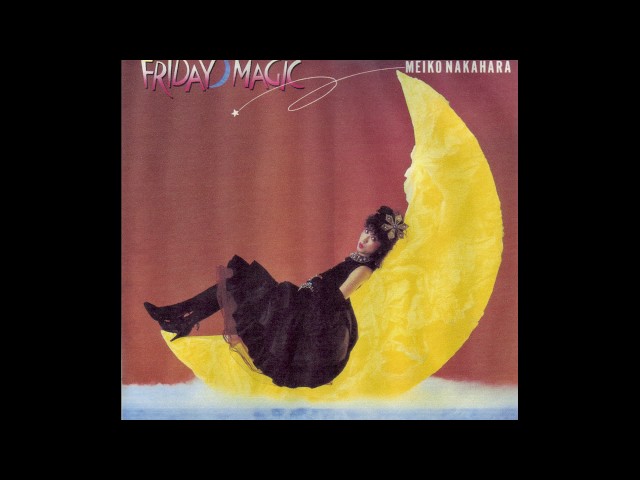
Let me introduce a positive breakup song, “FANTASY.” It’s a track performed by singer-songwriter Meiko Nakahara, included on her second album, “Cinderella Until 2 O’Clock – FRIDAY MAGIC -.” The lyrics depict a woman who, after a breakup, finds her way to a new love.
With dance as its theme and a laid-back, danceable sound, it has become a highly popular song among young people today.

Message of RougeMatsutoya Yumi

This is a song distinguished by its lively rhythm and refreshing melody.
The story of a woman who discovers her boyfriend’s infidelity, leaves a message written in lipstick on the bathroom mirror, and boards a train to visit his mother is bold and humorous, making it especially appealing.
While it carries a cautionary message about cheating, it also presents a positive, strong female figure—one of Yumi Matsutoya’s masterpieces.
Released in February 1975 and included on the album COBALT HOUR, the track features chorus contributions from Tatsuro Yamashita and others, resulting in a vibrant sound.
In 1989, it was chosen as the opening theme for the film Kiki’s Delivery Service, and it has continued to be loved across generations.
With its bright and cheerful tone expressing powerful feelings toward a lover, this song gently encourages women struggling with romance and is highly recommended to many listeners.
Surely more than anyone else in the worldNagayama Miho

Released in 1992, this duet by Miho Nakayama and WANDS gained attention as the theme song for the Fuji TV drama “Dareka ga Kanojo o Aishiteru” (“Someone Loves Her”).
Their sweet yet heartrending vocals leave a strong impression, and the love story—beginning with imagery that evokes the end of summer—strikes a chord.
Its message of a fateful reunion and the resolve to keep dreaming with a passion hotter than anyone’s blends perfectly with the drama’s narrative.
The song was also a commercial success, topping the Oricon weekly singles chart and selling over one million copies within just 20 days of its release.
Even now, thanks to frequent use on television and numerous artist covers, it remains widely recognized across generations.
Highly recommended for those who want to resonate with powerful feelings for a loved one and the pure determination to pursue one’s ideals.