
Tour the gods of music and entertainment! Recommended shrines, temples, and power spots

Japan is home to countless shrines and temples, each said to offer various blessings.
Among them are many places believed to bestow benefits related to music and the performing arts.
In particular, shrines and temples that enshrine deities such as Ame-no-Uzume-no-Mikoto—known from the legend of Ama-no-Iwato—Benzaiten, the goddess of music, and Gigeiten, who grants blessings for artistic pursuits, are especially popular for their supposed benefits in music and entertainment.
In this article, we’ll introduce not only famous shrines like Kurumazaki Shrine in Kyoto and Yoyogi Hachimangu in Tokyo, but also a wide range of shrines and temples across Japan connected to music and the performing arts.
We’ll also highlight music-related power spots such as musicians’ graves, monuments with song inscriptions, and memorial museums.
If any of these places catch your interest, be sure to pay them a visit.
- Tour the gods of music and entertainment! Recommended shrines, temples, and power spots
- Masterpiece and popular songs by 88Kasyo Junrei
- [2026] A Collection of Classic and Popular J-Pop Songs About God [Japanese Music]
- [Japan] A collection of J-pop with a traditional Japanese (wa) vibe and Japanese-style taste
- April Music Festivals [2026]: A roundup of spring festivals, outdoor rock fests, and other music events
- Oni Out, Fortune In: A roundup of J-pop you’ll want to listen to during Setsubun
- [Japanese Music] A Collection of Cool Band Names [Naming]
- What does “taite,” a term you often hear at live shows and festivals, mean?
- A collection of cool songs that sound great when sung by women, originally male songs
- Traditional Japanese Music: Famous Pieces of Gagaku and Kagura. Recommended Traditional Japanese Music
- Only famous artists! Anime songs that energize the Reiwa era
- [Rice Songs] A selection of tracks where food appears in the lyrics!
- [Moon Songs Special] Famous songs about the moon. Songs you’ll want to listen to under a full moon or in the moonlight.
shrine
Utsukushigozen-sha (within the grounds of Yasaka Shrine)
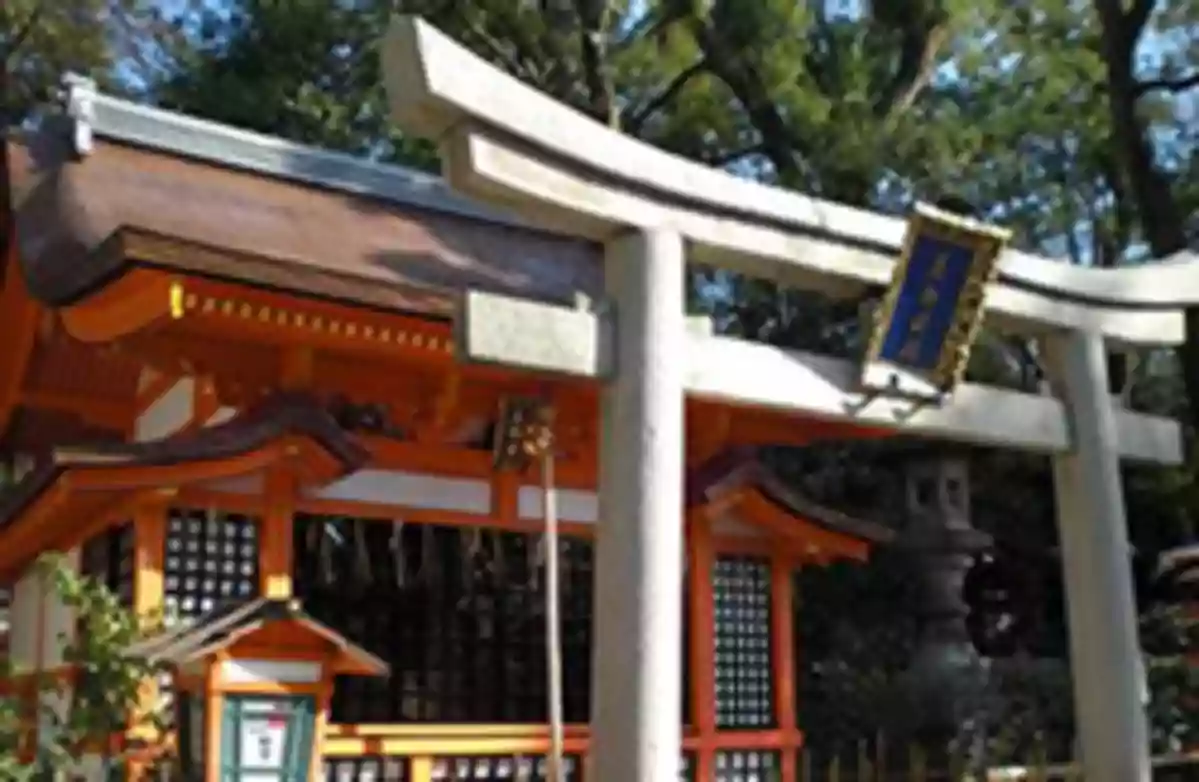
Mikogomae-sha Shrine enshrines the three goddesses known as the Munakata Three Goddesses. Located within the grounds of Yasaka Shrine, it is particularly dedicated to Ichikishima-hime-no-mikoto—renowned as the most beautiful of the three—who is revered as a deity of beauty, performing arts, and prosperity. As a “power spot for beauty,” it draws many female worshippers, including Kyoto’s maiko (apprentice geisha).

| Name | Utsukushigozen-sha (within the grounds of Yasaka Shrine) |
| Address | 625, Gionmachi Kitagawa, Higashiyama-ku, Kyoto-shi, Kyoto Prefecture |
| Website | http://www.yasaka-jinja.or.jp/about/utukushisha.html |
Yonomiya Shrine

At Shinomiya Shrine in Kobe, Benzaiten—one of the Seven Lucky Gods—is enshrined. Benzaiten is the only goddess among the Seven and is gifted with many talents, believed to bestow blessings for the performing arts and literature. In addition to the charm for improving various arts, there is a special “Voice Charm,” recommended for vocalists and voice actors.

| Name | Yonomiya Shrine |
| Address | 5-2-13 Nakayamate-dori, Chuo Ward, Kobe, Hyogo Prefecture |
| Website | https://www.shoko-dw.com/shrine8/4nomiya.html |
Chiyo Shrine (Chiyo Jinja)

Chiyo Shrine, known as the oldest shrine in Hikone City, Shiga Prefecture, is home to a main hall designated as an Important Cultural Property of Japan. The principal deity, Ame-no-Uzume-no-Mikoto, is revered as the goddess who presides over the performing arts, including acting and entertainment, and has long been worshiped by kabuki, Noh, and kyogen performers, as well as martial artists, craftsmen, and artists. Before major events where you’re determined to achieve results—such as auditions—you might consider stopping by to offer a prayer.
| Name | Chiyo Shrine (Chiyo Jinja) |
| Address | 2-9-33 Kyomachi, Hikone-shi, Shiga |
| Website | https://www.hikoneshi.com/sightseeing/article/chiyojinja |
Meta Shrine (Metajinja)
The Meta Shrine, where Hieda no Are—said to have been involved in compiling the Kojiki—is enshrined as a deity of learning and storytelling. Here, Ame-no-Uzume-no-Mikoto and Sarutahiko-no-Mikoto are also enshrined as auxiliary deities. For this reason, visitors can expect blessings related to the performing arts, dance, song, and other artistic pursuits.
| Name | Meta Shrine (Metajinja) |
| Address | 319 Hieda-cho, Yamatokoriyama-shi, Nara, Japan |
Miho Shrine

In the area around Miho Shrine in Shimane Prefecture, there was once a maritime checkpoint, and it was believed that dedicating musical instruments and other sound-making objects would bring blessings for safety at sea. As a result, many such items were offered. Among them were what are said to be Japan’s oldest music box and accordion, as well as drums and various other instruments. A unique musical festival called kagubiongaku hōnō, in which performances are dedicated facing the deity, is also held.
| Name | Miho Shrine |
| Address | 608 Miho, Mihonoseki-cho, Matsue-shi, Shimane Prefecture |
| Website | http://www.mihojinja.or.jp/ |
Achi Shrine

Achi Shrine in Kurashiki, Okayama Prefecture enshrines the three Munakata goddesses. Among them, Ichikishima-hime is especially gifted in the performing arts, and through later syncretism of Shinto and Buddhism she became identified with Benzaiten, making her beloved as a deity of music, entertainment, and the arts. In Tsurugata-yama Park, where Achi Shrine is located, there is a large wisteria known as the Achi Wisteria. Designated a natural monument by the prefecture, the wisteria reaches its best viewing period around May each year, so if you visit the shrine at that time, be sure to see the blossoms as well.

| Name | Achi Shrine |
| Address | 12-1 Honmachi, Kurashiki-shi, Okayama-ken |
| SNS | |
| Website | https://achi.or.jp/ |
Torikai Hachimangu Shrine

Torikai Hachimangu in Fukuoka Prefecture is known as a shrine for matchmaking, and within its grounds the Ebisu Shrine enshrines Benzaiten. Benzaiten is known as the goddess of music and is said to bring blessings for improving performing arts. Torikai Hachimangu also holds an autumn grand festival themed around food, music, and art, where you can enjoy delicious local gourmet fare, performances by artists, and even art such as live painting. If you plan to visit, New Year’s visits are of course recommended, but the autumn festival season is also a great time to go.
| Name | Torikai Hachimangu Shrine |
| Address | 2-1-17 Imagawa, Chuo Ward, Fukuoka City, Fukuoka Prefecture |
| SNS | |
| Website | https://hachimansama.jp/ |