

Anime songs recommended for people in their 60s: from nostalgic classics to the latest hits

Do you remember what TV shows you watched when you were a child?
Variety shows, music programs, dramas—and some of you might say you watched a lot of anime.
In this article, we’ve put together a collection of theme songs from popular anime that will be nostalgic for people in their 60s!
Of course, many of these are old favorites, but there are also familiar songs that are loved across generations.
Be sure to check out the tracks listed here and take a trip down memory lane!
- Anime songs recommended for people in their 70s: nostalgic theme songs that let you feel the history of anime.
- Recommended anime songs for people in their 50s. Classic and popular anime theme songs.
- Cheering songs recommended for people in their 60s: classic and popular Japanese hits
- [Showa Classics] A Collection of Nostalgic 70s Anime Songs
- [Nostalgic] A roundup of anime songs and theme songs that were hits in the 1980s
- [Classic Hits] Popular Anime Songs Representing the Showa Era. Also Introducing Recommended Anime Songs!
- Good songs recommended for people in their 60s: classic and popular Japanese tracks
- Spring songs for people in their 60s: A collection of classic tracks about cherry blossoms and farewells
- A love song that makes a man in his sixties relive his youth. Timeless classics that rekindle the romances of those days.
- Recommended Summer Songs for People in Their 60s: Classic and Popular J-Pop Hits [2026]
- Uplifting anime songs: a collection of masterpieces that blow away the blues
- Touching Anime Ballads That Make You Cry [Moving & Heart-Wrenching]
- Love songs that resonate with women in their 60s: gem-like romance tunes that revive memories of youth.
Anime songs recommended for people in their 60s: from nostalgic classics to the latest hits (31–40)
Lupin the Third

The manga Lupin the Third, originally created by Monkey Punch, began serialization in Weekly Manga Action in 1967, and the TV anime aired on the Nippon TV network starting in 1971.
Since the work was originally serialized in a seinen (young adult) manga magazine, the TV anime also gained support from college students at the time.
Theme of the NinjaMizuhara Hiroshi

This is the theme song of the anime The Koga Ninja Scrolls: Kamui Gaiden, which portrays the life of Kamui, a ninja who continues an endless journey while battling his pursuers.
Notably, the show was canceled due to low ratings stemming from its dark themes, and its successor was none other than Sazae-san.
The song conveys a sense of loneliness and tension as it depicts Kamui’s solitary travels, and the shakuhachi at the beginning evokes elements of a period drama.
While the sound has an expansive, grand atmosphere, the lyrics vividly portray the figure of a ninja and convey the inner conflict of having to live in hiding.

Go for it! Akado SuzunosukeToukyou Jouhoku Shounen Shoujo Gasshoudan

It’s a classic story about a protagonist centered on kendo who trains and grows as a swordsman.
Various techniques appear, and of course most of them are impossible to pull off in real life—but haven’t you ever felt tempted to try them anyway?
Fly! Grendizersasaki isao
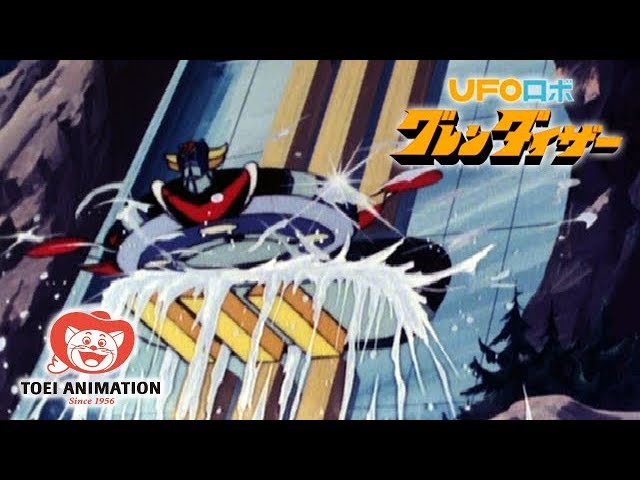
This is a heroic anthem characterized by a powerful melody and a message that resonates with the heart.
Depicting the exploits of a protagonist and a robot who protect the peace of Earth, the work’s gallant tone vividly expresses a deep appreciation for the planet’s beauty and the preciousness of peace.
Isao Sasaki’s passionate vocals convey courage and hope in the face of invaders from space.
Released in 1975, it was used as the opening theme for the TV anime UFO Robo Grendizer, which aired from that same year through 1977.
It was re-released in June 1998.
Highly recommended for those who want to thrill to the tale of a hero fighting for peace or draw energy from a fiery sense of justice.
Come here, Perman.Miwa Katsue

A theme song that captured the hearts of children who love anime based on Fujiko F.
Fujio’s works! Its bright, rhythmic melody and sincere lyrics fill you with a warm feeling, as if you can hear a friend calling from far away.
Katsu’e Miwa’s lively vocals gently convey the importance of friendship and helping one another, making it a wonderful track.
The single, released by Nippon Columbia in March 1983, was also used in the 2003 theatrical film, and since 2011 it has been adopted as the approaching-train melody at Noborito Station in Kawasaki.
It’s a song you’ll want to listen to when your heart is tired, when you want to help someone, or when you wish to bask in nostalgic memories.
Recommended anime songs for people in their 60s: from nostalgic classics to the latest hits (41–50)
Brave RaideenShimon Masato

Set to a march-like midtempo that lifts the spirit, the song—paired with Masato Shimon’s expansive vocals—feels as if it portrays a radiant guardian of the skies soaring through the light.
Its friendly, accessible melody, beloved by children and adults alike, vividly depicts a righteous hero’s bravery, infused with a sense of duty to protect peace and a steadfast resolve to carry the hopes of the people.
Broadcast as the opening theme for a robot anime that began in April 1975, it earned high acclaim as a masterpiece that perfectly captured the show’s worldview.
In November 1980, a soundtrack album was released by Nippon Columbia, and it continues to captivate many fans.
It’s a track that, when played during your morning commute to work or school, makes you feel like the protagonist yourself and gives you the courage to face a brand-new day.
Oak Wood MocOnogi Kumiko

With a bright, lively rhythm and a catchy, child-friendly melody, this heartwarming song conveys the importance of kindness and human bonds.
It expresses the protagonist’s innocence and positive spirit through simple yet memorable phrases, resulting in a familiar tune that anyone can hum along to.
The clear, gentle vocals of Kumiko Onogi and the Columbia Yurikago Kai softly deliver the story’s message.
Released in January 1972, it was used as the opening theme for an anime produced by Tatsunoko Production.
It has continued to be loved for many years and cherished by people of all ages.
It’s a nostalgic track that can be enjoyed with family and friends.