

Anime songs recommended for people in their 60s: from nostalgic classics to the latest hits

Do you remember what TV shows you watched when you were a child?
Variety shows, music programs, dramas—and some of you might say you watched a lot of anime.
In this article, we’ve put together a collection of theme songs from popular anime that will be nostalgic for people in their 60s!
Of course, many of these are old favorites, but there are also familiar songs that are loved across generations.
Be sure to check out the tracks listed here and take a trip down memory lane!
- Anime songs recommended for people in their 70s: nostalgic theme songs that let you feel the history of anime.
- Recommended anime songs for people in their 50s. Classic and popular anime theme songs.
- Cheering songs recommended for people in their 60s: classic and popular Japanese hits
- [Showa Classics] A Collection of Nostalgic 70s Anime Songs
- [Nostalgic] A roundup of anime songs and theme songs that were hits in the 1980s
- [Classic Hits] Popular Anime Songs Representing the Showa Era. Also Introducing Recommended Anime Songs!
- Good songs recommended for people in their 60s: classic and popular Japanese tracks
- Spring songs for people in their 60s: A collection of classic tracks about cherry blossoms and farewells
- A love song that makes a man in his sixties relive his youth. Timeless classics that rekindle the romances of those days.
- Recommended Summer Songs for People in Their 60s: Classic and Popular J-Pop Hits [2026]
- Uplifting anime songs: a collection of masterpieces that blow away the blues
- Touching Anime Ballads That Make You Cry [Moving & Heart-Wrenching]
- Love songs that resonate with women in their 60s: gem-like romance tunes that revive memories of youth.
Anime songs recommended for people in their 60s: From nostalgic classics to the latest hits (51–60)
Fight! Polymersasaki isao
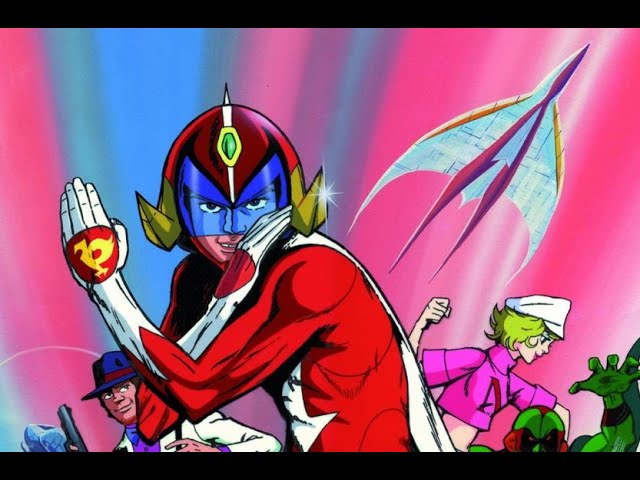
This is a powerful, up-tempo track brimming with the spirit of 1970s hero anime.
A forceful rock-style performance pairs with fiery vocals reminiscent of steel-like strength, brilliantly conveying the protagonist’s courage and power.
The tense developments and high-velocity rhythm further heighten the realism of battle scenes, making it a superb piece.
Released in October 1974 as a tie-in song for the third installment of Tatsunoko Production’s sci-fi action hero TV anime series, it was later used in a live-action film as well.
Showcasing Isao Sasaki’s overwhelming vocal prowess, this track is perfect for moments when you want to stoke your fighting spirit or boost your motivation.
The Star of the SeineKoromubia Yurikago-kai

Set in Paris during the French Revolution, this work, which colors the story of a young girl, is marked by the beautiful vocals of Arène and the Columbia Yurikago-kai.
Carried by a brave yet wistful melody, it conveys the heroine’s steadfast will and solitude as she fights for freedom and love.
French phrases woven throughout further enhance the work’s distinctive world.
The LP record was released by Nippon Columbia in June 1975 and was used as the opening theme for the television anime of the same name.
One month after the anime began airing, Arène visited Japan and held six events mainly in the Kanto region.
With its moving, beautiful melody and crystalline vocals, this is a recommended track for anyone who wants to immerse themselves in the story’s world along with nostalgic memories.
Defeat Galactor!Koromubia Yurikago-kai

Set to a powerful, fast-paced melody, this work portrays the heroic exploits of the Science Ninja Team protecting the peace of Earth.
The clear voices of the Columbia Yurikago-kai further enhance the energetic feel of the piece.
Celebrating the brave figures who fight using the power of science and ninja techniques, the song brings dreams and hope to children.
Used as the ending theme for Science Ninja Team Gatchaman, which began airing in 1972, it captured the hearts of many viewers throughout its 105-episode run.
The lyrics were written by the Tatsunoko Production Literary Department, and the music was composed by Asei Kobayashi.
Evoking empathy for protagonists with a pure sense of justice, this is a perfect track for anyone seeking an inspiring anthem that resonates.
It’s recommended listening when you want to feel uplifted.
Song of Steel JeegMizuki Ichirō

The 1975 robot anime theme song, woven from powerful vocals and melody, portrays an epic tale of a righteous hero battling an evil army.
With a valiant composition by Chuumei Watanabe and lyrics by Haruo Hayashi that stirringly express the protagonist’s sense of mission and responsibility, the piece is perfectly complemented by Ichirou Mizuki’s passionate singing.
Included on the album “Super Robot Spirits: Theme Song Best Collection 2,” this track has colored numerous iconic scenes of giant robots in combat.
It’s a recommended song for those who resonate with heroes of justice or are looking for an uplifting, courage-inspiring anthem.
Anime songs recommended for people in their 60s: from nostalgic classics to the latest hits (61–70)
Make way for Lord Kunimatsu!Yamamoto Kiyoko

An anime based on Tetsuya Chiba’s original work, belonging to the then-popular “bancho” (delinquent leader) genre.
The story follows a very mischievous protagonist who solves various school-related problems.
The characters filling roles like henchman, rival, and Madonna (the school beauty) carry a nostalgia unique to that era.
“Kunikatsu-sama no Otoori-dai” features a festival-like musical style and is wonderfully cheerful.
Sazae-sanUno Yuuko

Since its first broadcast in 1969, this truly long-running, nationally beloved anime has appeared in living rooms every week to this day.
I think it’s amazing.
Hats off to the staff as well.
It’s an anime that evokes nostalgia yet also engages with contemporary topics, without feeling the least bit dated.
I hope it continues forever.
Sorry, cowboy.ushirogami hikaretai

We present a classic idol pop masterpiece from the 1980s, sourced from rare recordings.
Set to a powerful yet beautiful melody line, the song richly expresses a yearning for and desire to understand a free-spirited transfer student.
Yasushi Akimoto’s lyrics and Tsutomu Goto’s composition blend perfectly, resulting in a fresh and captivating track.
Released by Ushirogami Hikaretai in November 1987, the song was used as the opening theme for the Fuji TV anime “Tsuide ni Tonchinkan” and is also included on the album BAB.
It’s the perfect tune for anyone wanting to indulge in a sense of nostalgia.