

Cheering songs recommended for people in their 60s: classic and popular Japanese hits

We’ve put together a collection of uplifting Japanese songs perfect for people in their 60s.
When you’re a bit tired, need a boost, or want to push through that last stretch, please give these tracks a listen.
These nostalgic classics are sure to lift your spirits!
They’ll definitely give you a gentle push forward.
- Recommended Cheer-Up Songs for People in Their 70s: A Collection of Uplifting Tunes
- Upbeat Japanese songs recommended for women in their 60s
- [2026 Edition] Songs Loved by People in Their 60s: Classic Hits from Their Youth
- Cheer-up songs recommended for people in their 50s: classic and popular Japanese hits
- Uplifting Japanese songs recommended for men in their 60s
- Good songs recommended for people in their 60s: classic and popular Japanese tracks
- Moving Japanese songs recommended for men in their 60s
- Songs that make you feel positive when you listen. Top recommended cheer and positive tracks.
- [Moving] Tear-jerking cheer song. A roundup of popular motivational anthems that resonate with the heart!
- [2026] Autumn Songs for People in Their 60s: Classic Tracks Perfect for the Deepening Fall
- [A Life-Affirming Anthem] An Encouraging Song to Cheer You On
- Love songs that resonate with women in their 60s: gem-like romance tunes that revive memories of youth.
- A song that makes you feel happy. A smile song that brings a grin to your face.
Cheer songs recommended for people in their 60s: Classic and popular Japanese hits (21–30)
Give it some guts!!Urufuruzu

Formed in the late 1980s, Ulfuls didn’t sell at all at first.
In the midst of that, Tetsuya Komuro advised them, “Why don’t you try something more disco-like?” and “Guts Da ze!!” became a huge hit in 1995.
For younger people, “Banzai ~Suki de Yokatta~” might be the song they think of as a cheer anthem.
Goodbye, TearsSakamoto Kyu
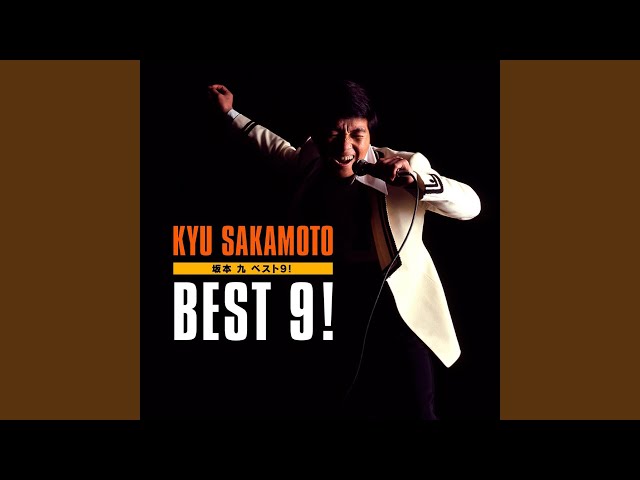
It’s a purely Japanese song with lyrics and music by Mr.
Kuranosuke Hamaguchi, but it didn’t sell very well when it was first released.
It was reimported, and in September 1965 Johnny Tillotson released an English version titled “Goodbye Mr.
Tears” along with the Japanese version, which became a big hit.
Since then, many artists have covered it, and it’s a song I want to listen to when I’m quietly sad or frustrated.
brave personYoshinaga Sayuri / Tonīzu

For people in their 60s—especially men—there are surely many who have memories of this as a youth-boosting anthem.
In any case, Ms.
Yoshinaga, the heroine of so many coming-of-age films, is, as you know, also a big favorite of Tamori.
This famous song cheerfully encourages us to keep walking through life with a constant smile.
Red tractorKobayashi Akira

Anyway, it’s a really cool song.
As the title suggests, it was used in a tractor commercial, and you can feel a sense of masculine romance in it.
It might jump into the chorus so quickly because it was a commercial song, but in fact it’s a song with a storyline: a young man who went to the city was betrayed by someone, and now he carries a dream of working hard in the countryside with a red tractor.
youthMorita Kōichi to Toppugyaran

It’s a coming-of-age song performed by composer Koichi Morita—who, together with lyricist Yū Aku, was a hitmaker in the 1970s.
Everyone has a youth they want to cherish forever, and this is a song that anyone can relate to, that evokes nostalgia while inspiring you to look toward a new tomorrow.
Into the DreamInoue Yosui

Just hearing the prelude makes me feel refreshed.
When you compare searching for something to life, maybe we’re always searching for something forever.
It’s from 1973, so it’s quite old, but it’s been covered since then, so it isn’t just a song of the Showa era.
Song of IppondokkoSuizenji Kiyoko
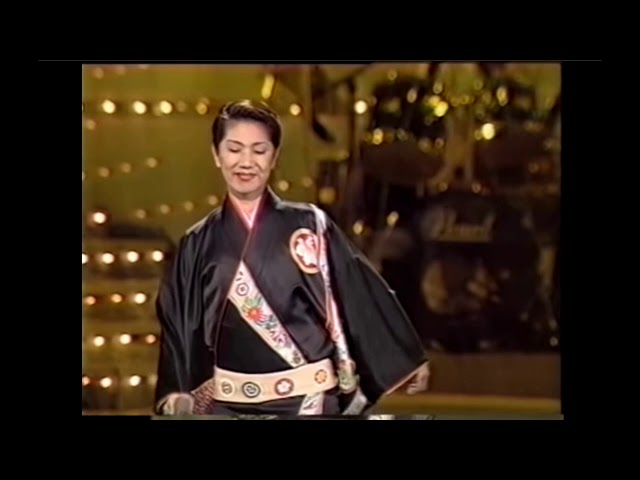
Younger people have probably at least heard “March of 365 Steps,” but Suizenji’s true forte was mainly these valiant enka songs.
Released in 1966, the song is a life-affirming anthem that people in their 60s today find deeply nostalgic.
While women’s kimono stage costumes are typically furisode or tsukesage, Suizenji’s men’s-style kimono worn casually was really cool.