

Cheering songs recommended for people in their 60s: classic and popular Japanese hits

We’ve put together a collection of uplifting Japanese songs perfect for people in their 60s.
When you’re a bit tired, need a boost, or want to push through that last stretch, please give these tracks a listen.
These nostalgic classics are sure to lift your spirits!
They’ll definitely give you a gentle push forward.
- Recommended Cheer-Up Songs for People in Their 70s: A Collection of Uplifting Tunes
- Upbeat Japanese songs recommended for women in their 60s
- [2026 Edition] Songs Loved by People in Their 60s: Classic Hits from Their Youth
- Cheer-up songs recommended for people in their 50s: classic and popular Japanese hits
- Uplifting Japanese songs recommended for men in their 60s
- Good songs recommended for people in their 60s: classic and popular Japanese tracks
- Moving Japanese songs recommended for men in their 60s
- Songs that make you feel positive when you listen. Top recommended cheer and positive tracks.
- [Moving] Tear-jerking cheer song. A roundup of popular motivational anthems that resonate with the heart!
- [2026] Autumn Songs for People in Their 60s: Classic Tracks Perfect for the Deepening Fall
- [A Life-Affirming Anthem] An Encouraging Song to Cheer You On
- Love songs that resonate with women in their 60s: gem-like romance tunes that revive memories of youth.
- A song that makes you feel happy. A smile song that brings a grin to your face.
Cheer-up songs recommended for people in their 60s: Classic and popular Japanese hits (31–40)
I’ll sing a cheer song.Hosokawa Takashi
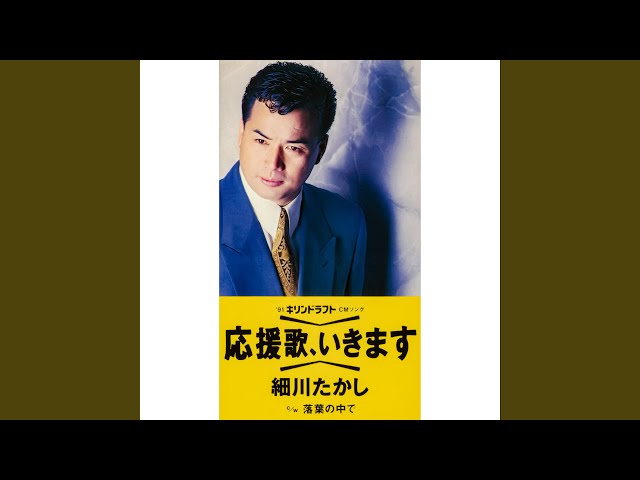
Takashi Hosokawa won the Japan Record Award two years in a row in 1982 and 1983 with “Kita Sakaba” and “Yagiri no Watashi,” but it seemed his popularity dipped a bit afterward.
Amid that, this 1991 release was featured in a commercial for Kirin Brewery’s ‘Kirin Draft,’ and it became a hot topic.
It’s a song whose quietly reflective lyrics convey the feel of life.
At the end, the line “Gutto ikō yo, ○○-kun” is typically sung by swapping in someone’s name on the spot for fun.
outdatedKawashima Eigo

There must be many people who have walked through life like this.
It’s a modest path, but this song makes you feel that such a life is wonderful.
Eigo Kawashima’s songs are really popular among older men, but from a woman’s perspective, they reveal the way men live and make you want to cheer them on—an encouraging anthem.
Funky Monkey BabyKyaroru

Eikichi Yazawa—affectionately known as “Eikichi”—forged his current status by sticking to his strong conviction to “be BIG.” That drive stems from his childhood, when he grew up in a single-mother household under severe poverty.
During the Carol era, even though people might listen to the Beatles, rock itself was still a question mark in Japan; their activities lasted only about two and a half years, yet the group left a major impact.
After that, Yazawa went solo, treating “Eikichi Yazawa” as a business brand, overcoming various troubles to get where he is today.
Those of the same generation can truly relate.
The road to Munichhanī naitsu

Many people now in their 60s still have vivid memories of the men’s volleyball matches at the 1972 Munich Olympics.
While there was widespread belief that Japan could win gold, many players were overwhelmed by the unique atmosphere and couldn’t deliver the results they hoped for.
Amid this, then-head coach Yasutaka Matsudaira brought a project to a TV network to raise volleyball’s profile, leading to a theme song that accompanied broadcasts combining animation and real footage.
And in the end, they truly did win the gold medal.
This is an unmistakable piece of fiction that brightened Japan.
In a distant worldItsutsu no akai fūsen

Nostalgic youth songs really warp you back to those days, don’t they? The Five Red Balloons were a folk group, and their song “To a Distant World” was released in 1969.
It’s a song from the era when student activism was thriving, so for people in their 60s, it might be a tune that brings back memories of joining campus movements in their university days.
It’s an anthem that cheered on young people who wanted to make Japan a better place.
Cheering songs recommended for people in their 60s: Classic and popular Japanese tracks (41–50)
Oh, sake!Yoshi Ikuzo

It may be precisely those in their 60s—who have tasted the bitter and the sweet of life—who understand this song’s meaning most deeply.
The title is “Sake yo,” and the image of someone quietly murmuring to himself over a drink evokes memories of one’s own path, even for those who don’t drink.
Even if you fail or get hurt, you keep moving forward; the companion you speak to doesn’t have to be alcohol, but you can’t help picturing a man with his shoulders slumped.
That sense of shared hardship resonates, and even today the song still battles for the top spots—first or second—in karaoke rankings among people in their 50s and 60s.
University Counting SongSeikou

In 1962, Hiroshi Moriya sang a song that organized and compiled lyrics people at various universities had been making up and singing at parties and the like.
Although no university names are mentioned, it captures their characteristics quite well.
Even though the university enrollment rate wasn’t very high at the time, it may have served as a cheer song for studying.