

Moving Japanese songs recommended for men in their 60s

This is a playlist packed with moving Japanese songs—J-pop, kayōkyoku, and Japanese rock—that we recommend for gentlemen in their 60s, the so-called “around sixty” generation.
It’s full of masterpieces where you can savor dramatic melodies and lyrics that express poignant, heartfelt emotions.
- Tear-jerking songs recommended for men in their 60s: classic and popular Japanese hits
- Cheering songs recommended for people in their 60s: classic and popular Japanese hits
- Tear-jerking songs recommended for men in their 40s: classic and popular Japanese hits
- [2026 Edition] Songs Loved by People in Their 60s: Classic Hits from Their Youth
- Uplifting Japanese songs recommended for men in their 60s
- Tear-jerking songs recommended for men in their 50s: classic and popular Japanese hits
- Good songs recommended for people in their 50s: classic and popular J-pop tracks.
- [Tearjerker] Songs that make your heart tremble with tears & moving tracks with lyrics that touch the soul
- Anti-war songs that pierce the heart: Japan’s masterpieces conveying prayers for peace
- Good songs recommended for people in their 60s: classic and popular Japanese tracks
- Interesting Japanese songs recommended for men in their 60s
- Popular Japanese songs among men in their 60s: recommended masterpieces and classic tracks
- Recommended Japanese karaoke songs for men in their 60s
Moving Japanese songs recommended for men in their 60s (91–100)
Wild BoyKawashima Eigo

Eigo Kawashima was a singer-songwriter from Osaka.
He passed away in 2001 at the young age of 48.
He is known for having written many songs about themes such as “masculinity,” “fathers,” and “kindness.” In “Nofūzō,” the protagonist is a father who looks forward to drinking with his son when he turns 20.
Another SaturdayHamada Shogo

It was released in 1985 as the B-side to Shogo Hamada’s 18th single, “LONELY – Ai to Iu Yakusokugoto.” The lyrics and music were written by Shogo Hamada.
Despite being a B-side, it has become one of his signature ballads.
Love RadiantMisora Hibari

“Ai Sansan” is a single by Hibari Misora, released on May 29, 1986.
The lyrics and music were written by singer-songwriter Kei Ogura.
It’s a song whose gentle melody and Misora’s tender voice feel close to the listener.
Alongside “Kawa no Nagare no Yō ni,” it became one of her signature songs from her later years.
Tomorrow will surely be a good day.Takahashi Yuu
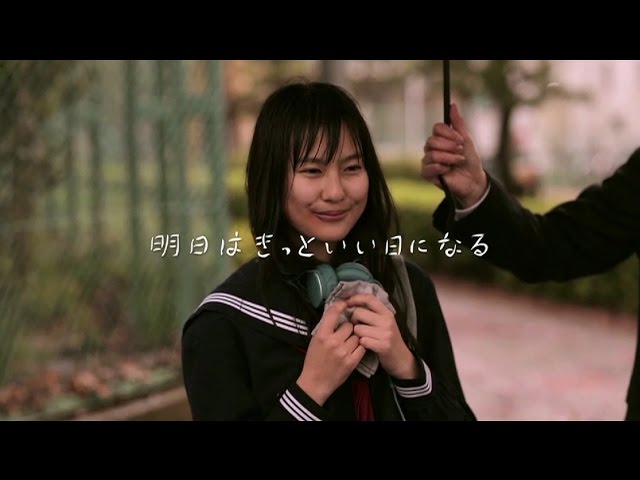
Takahashi Yu is a male singer-songwriter who made his major debut in 2010.
“Ashita wa Kitto Ii Hi ni Naru” is a single released in 2015.
The story-driven music video conveys the message: “Happiness or unhappiness is something you decide for yourself.
Even if what’s happening now isn’t what you wanted, that doesn’t necessarily mean it’s unhappiness.”
Full of memoriesH₂O

Released in 1983 as H2O’s fifth single.
The song was used as the theme for the Fuji TV anime Miyuki, is often selected for music classes and choral competitions in junior high and high schools, and is a classic that has been covered and passed down by many artists.
Night Flightchiaki naomi

Despite her outstanding vocal ability, Naomi Chiaki completely withdrew from her singing career after 1992 and has not appeared in public even once since then.
It’s said that many people still hope for her comeback.
While Kassai (Applause) is well known, as a moving song I also recommend her 1973 single Night Flight.
It’s an expansive piece about a woman on a plane bound for Europe, reflecting on her separation from her lover.
Beach of MemoriesZa Wairudowanzu

It was released in 1966 as the debut single of The Wild Ones.
The song was composed by Kunihiko Kase, became a major hit featuring his 12-string guitar, and sold over one million copies.
It has been covered by many artists and remains a beloved classic that continues to be sung today.