

Moving Japanese songs recommended for men in their 60s

This is a playlist packed with moving Japanese songs—J-pop, kayōkyoku, and Japanese rock—that we recommend for gentlemen in their 60s, the so-called “around sixty” generation.
It’s full of masterpieces where you can savor dramatic melodies and lyrics that express poignant, heartfelt emotions.
- Tear-jerking songs recommended for men in their 60s: classic and popular Japanese hits
- Cheering songs recommended for people in their 60s: classic and popular Japanese hits
- Tear-jerking songs recommended for men in their 40s: classic and popular Japanese hits
- [2026 Edition] Songs Loved by People in Their 60s: Classic Hits from Their Youth
- Uplifting Japanese songs recommended for men in their 60s
- Tear-jerking songs recommended for men in their 50s: classic and popular Japanese hits
- Good songs recommended for people in their 50s: classic and popular J-pop tracks.
- [Tearjerker] Songs that make your heart tremble with tears & moving tracks with lyrics that touch the soul
- Anti-war songs that pierce the heart: Japan’s masterpieces conveying prayers for peace
- Good songs recommended for people in their 60s: classic and popular Japanese tracks
- Interesting Japanese songs recommended for men in their 60s
- Popular Japanese songs among men in their 60s: recommended masterpieces and classic tracks
- Recommended Japanese karaoke songs for men in their 60s
Moving Japanese songs recommended for men in their 60s (31–40)
The lights of Sakhalin do not go outZa Jenoba

A crowning achievement of 1960s Group Sounds from Crown Records.
With a bittersweet melody and lyrics in the style of a Russian folk song that weave in images of the northern provinces, this soul-stirring track moves every listener.
It builds a one-of-a-kind world that feels both nostalgic and fresh.
The Genova’s debut single from February 1968 is known as a unique outlier within the 1960s Group Sounds scene, and it recorded an astonishing sales figure of over 100,000 copies.
Seamlessly blending electric guitar and band-driven sound with elements of kayōkyoku, this work lingers as a gem of a ballad that stands beside the aching hearts of those who’ve lost their hometown or their love.
It’s a classic to be heard on a quiet night by anyone who has known heartbreak or parting, or who carries deep feelings within.
loadTHE toraburyū
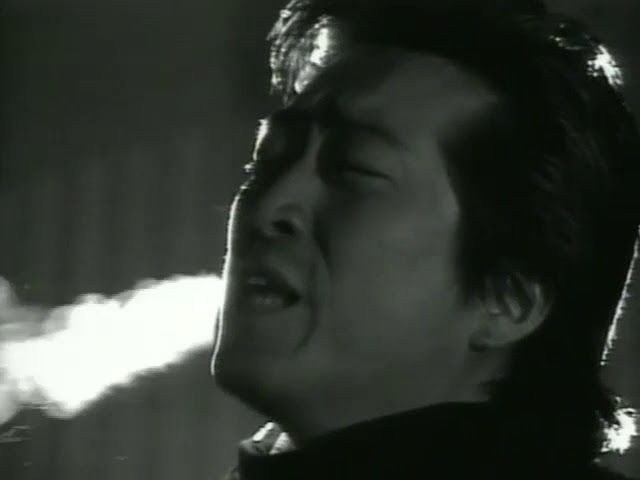
The signature work of THE Toraba-ryu is a masterpiece that portrays the path of life unfolding serenely on an epic scale.
Powerfully voicing the resolve to face adversity and loneliness, this song depicts a stance of overcoming setbacks and moving forward, leaving a deep imprint on many listeners’ hearts.
Its lyrics, which symbolically express life’s journey, resonate with listeners and offer courage and hope.
First released in May 1992 and re-released in 1993, it achieved an astonishing 2.2 million sales.
It was also used as the theme song for a film of the same name released in 1997 and won an Excellence Award at the Japan Cable Radio Awards.
It’s a perfect pick not only for livening up gatherings with friends but also for karaoke with older audiences.
Be sure to showcase this powerful classic that invites everyone to sing along and share in the moment.
Tokyoyashiki takajin

Released in March 1993, this mood-kayō song fuses tearful enka with sophisticated urban pop.
Through Kansai-dialect lyrics, it movingly portrays a romance and breakup with a man she met in Tokyo, along with her complex feelings toward the city.
Takajin Yashiki was an artist who was active mainly in the Kansai region, also serving as a host of the popular program “Sei! Young.” This piece became a hit as requests on cable radio surged, ultimately selling a total of 600,000 copies.
In live performances, he would sometimes change the place name in the chorus to match the concert location, valuing a sense of unity with the audience.
When singing it at karaoke, it’s recommended to sing at an easy, relaxed pace while thinking of your hometown and the special people you’ve met.
Bridge of Gloryyuzu

This song portrays the hardships and setbacks in life, and the journey of overcoming them to grasp hope.
It beautifully expresses the light that awaits beyond tears no one sees and the sweat shed in silence, woven with melodies and words that deeply resonate with listeners.
Released by Yuzu in July 2004, the song was chosen as NHK’s official theme for the Athens Olympics, and, together with the moment the men’s gymnastics team won gold, it became etched in the memories of many.
Loved as a cheer song for everyone striving toward their goals, it continues to offer support: to those taking steady steps toward their dreams and to those confronting the walls before them.
As a piece that accompanies the important moments of life, it delivers a powerful, heartfelt message that truly resonates.
Banzai ~ So glad I loved you ~Urufuruzu

This rock tune celebrating the joy of pure love is a fan favorite that showcases Ulfuls’ musicality to the fullest.
Its lyrics, which candidly express gratitude to a loved one, resonate deeply, and together with its bright, catchy melody, the song lifts listeners’ spirits.
Released in February 1996, it was included on the album “Banzai” and also drew attention as the theme song for the Fuji TV drama “Goddess of Victory.” Moreover, it won the Excellence Award at the 38th Japan Record Awards.
It’s a perfect track for getting pumped up at karaoke with friends or for reminiscing about special memories with someone important.
Moving Japanese songs recommended for men in their 60s (41–50)
Like tonight’s moonElefanto Kashimashi

It’s a deeply moving masterpiece that powerfully sings of passion for the future while gazing into everyday feelings of emptiness and loneliness.
Set against the backdrop of a city at dusk, it portrays the solitude and struggles of people living in an urban landscape, yet conveys a strong will to keep looking forward and moving on.
The soulful vocals unique to Elephant Kashimashi and the melody that resonates with the heart are beautifully in harmony.
Released in July 1997, the song was used as the theme for the Fuji TV drama “Because the Moon Shines at Night,” and was also included on the album “Run Toward Tomorrow – Moonlit Songs.” In 2017, it was performed in the band’s first appearance on the NHK Kōhaku Uta Gassen, winning over even more listeners.
It’s a track that will evoke deep empathy when you feel lost in life or spend a night thinking of someone dear.
ForeverGosuperāzu
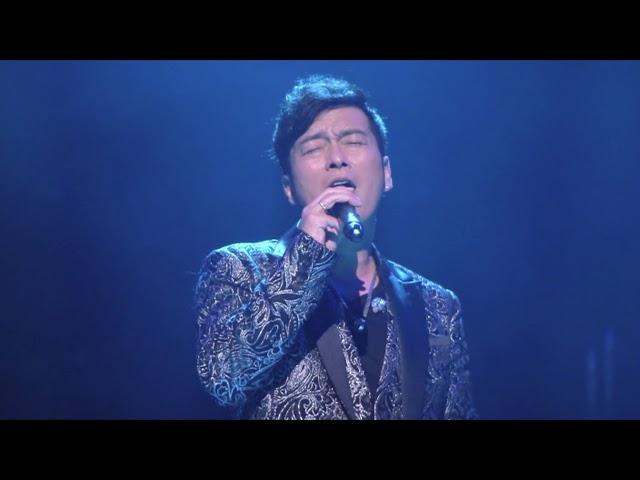
This celebrated song, which sings of an eternal bond with a loved one, gently conveys the unbreakable feelings that exist precisely because love is formless.
Transcending physical distance, the unwavering longing for the other person resonates in the heart alongside beautiful harmonies.
Released in August 2000, the track stayed on the Oricon chart for an impressive 44 weeks and was selected as the opening theme for TV Tokyo’s JAPAN COUNTDOWN.
Its diverse arrangements—hallmarks of The Gospellers—are part of its appeal, including the Album Version on the album “Soul Serenade” and the “unplugged live version” included on the single “Hitori.” It remains a beloved song that makes you want to sing while thinking of someone special, especially after time spent talking with friends.