

Spring songs for people in their 60s: A collection of classic tracks about cherry blossoms and farewells

When it comes to spring songs, there are all kinds: songs about cherry blossoms and other flowers, as well as songs that depict farewells with themes like graduation or moving to a big city.
Many such songs set in spring have been sung since the Showa era.
In this article, we’ll introduce a selection of spring songs recommended for people in their 60s.
We’ve gathered a wide range—from tracks you likely listened to in your youth to songs you may have discovered as an adult—so please take your time, read the lyrics, and listen closely.
- [For Seniors] Recommended Spring Songs for People in Their 70s: A Collection of Nostalgic Spring Tunes
- [2026] Cherry Blossom Songs to Hear in Spring: A roundup of classic J‑Pop hits about sakura
- Recommended winter songs for people in their 60s. Timeless masterpieces of winter songs.
- Love songs that resonate with women in their 60s: gem-like romance tunes that revive memories of youth.
- [For Seniors] Spring Songs You'll Want to Hum: Feel the Season with Nostalgic Classics
- Youth songs you want to listen to in spring. Classic and popular spring songs.
- Emotional songs to listen to in spring: a collection of masterpieces that suit the season of meetings and farewells.
- [For Seniors] Recommended spring songs for people in their 90s: A collection of Shōwa-era spring tunes
- [For Seniors] A Collection of Recommended Spring Songs for People in Their 80s
- [2026] Time-Travel to Your Memories Just by Listening! Recommended Spring Songs for People in Their 50s
- Recommended for cherry-blossom viewing season! Classic sakura songs and spring tunes
- Only masterpieces that color the season of meetings and farewells! Spring songs recommended for Gen Z.
- Spring songs to color the season of meetings and partings—recommended for the Yutori generation
Spring songs for people in their 60s to listen to: A collection of classic tracks about cherry blossoms and farewells (21–30)
A rose has bloomed.Maiku Maki

This is a heartwarming song inspired by the fairy tale The Little Prince.
It portrays, along with a beautiful melody, the charm of the rose that soothes a lonely heart, the sorrow of its loss, and the story of hope that sprouts within.
Maki Maki’s gentle singing voice further enhances the song’s world.
Since its release in April 1966, it has been loved by many as a pioneering folk song and even appeared in the 17th NHK Kohaku Uta Gassen that same year.
Today, it is also used as the departure melody at JR East’s Joban Line Ishioka Station, making it beloved across generations.
It’s a perfect song for the season that heralds spring’s arrival, or for those who wish to sing with feeling before parting with someone dear.
My heart is stop-motionKuwae Tomoko

A heartfelt work by Tomoko Kuwae that gently envelops the thrill of unexpected encounters and new love.
Its light, refreshing melody beautifully captures the budding feelings that arrive with spring.
The way a heart, after a long winter, gradually unravels in the warm sunlight is especially memorable.
Released in January 1979, it reached No.
12 on the Oricon weekly chart and was also used in a commercial for Pola’s Vario cosmetics.
In the same year, it earned the Best New Artist Award at the 21st Japan Record Awards and was included on her debut album, Born Free.
A perfect song for anyone feeling the stirrings of romance or eagerly awaiting the arrival of spring.
Spring songs for people in their 60s to listen to: A collection of classic tracks about cherry blossoms and farewells (31–40)
Song of Seeing Spring OffNoguchi Goro

A poignant ballad that delicately portrays the moment spring slips away.
Goro Noguchi’s soaring vocals beautifully capture the bittersweetness of youth and the resolve to set out on a new journey.
Released in December 1978, the song reached No.
14 on the Oricon chart and No.
8 on The Best Ten, and it ranked 46th on the 1979 year-end chart.
Created by the duo of Yū Aku and Kyōhei Tsutsumi, it tells a story of a man and a woman set on a rainy spring day.
With Noguchi’s tender, empathetic singing, this track deeply moves listeners with its portrayal of a heartrending relationship.
spring thunderfuki no tō

This song beautifully portrays the thunder that heralds the arrival of spring and the scattering cherry blossom petals.
The vocals of Fuki no To gently convey both the preciousness and fragility of life.
Released in May 1979, the song was reportedly created by member Yasuyo Yamaki in the hope of his mother’s recovery from illness.
It is also included on the album “Jinsei, Haru, Oudan,” and has resonated with many listeners.
As you listen to the rumble of thunder on a spring night, you can feel the power and beauty of nature.
It might be nice to listen together with older adults and talk about life and nature.
Tears of MagnoliaSutādasuto☆Rebyū

A love ballad that sings of the profound sense of loss after losing the lover to whom eternal love was vowed.
Using the magnolia—the flower that symbolizes spring—as its motif, it beautifully depicts warm memories with a beloved person and the loneliness felt after their loss.
It was included as the first track on Stardust Revue’s album “SOLA,” released in March 1993, and was later released as a single, selling 150,000 copies.
In 2005, an acoustic version was produced for a Nikka Whisky commercial.
For those who have lost someone precious or who recall bittersweet memories in the spring season, this work will resonate deeply with your heart.
Like a flower, like a birdGō Hiromi
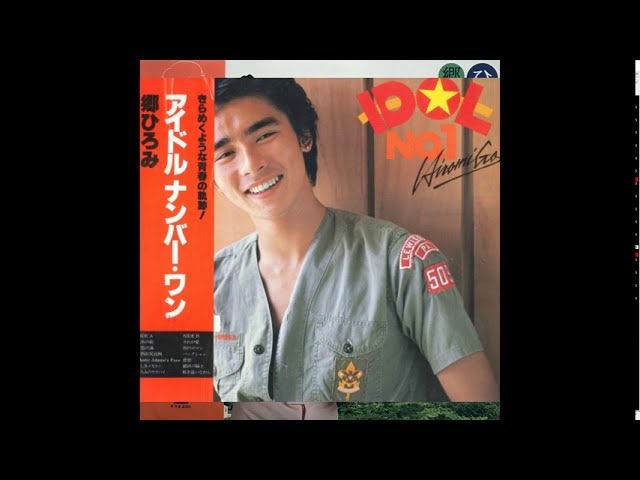
The lyrics beautifully depict scenery that makes you feel the arrival of spring, which is quite striking.
Combined with Hiromi Go’s vocals, it’s as if the pleasant spring air reaches you.
Released in April 1975, the song was loved by many, even reaching No.
2 on the Oricon chart.
The lyrics express a gentle coexistence with a loved one “like a flower, like a bird,” filled with kindness that warms the heart.
It’s the perfect track for when spring’s cheer invites you outdoors or when you want to spend a peaceful time with someone special.
It’s also wonderful to listen to it with older listeners and let conversations blossom about memories from their younger days.
I hope it’s sunny.DREAMS COME TRUE

It was in October 1992 that a heartwarming masterpiece was born—one that depicts childhood experiences in nature, filled with nostalgic memories and love for family.
Richly emotional lyrics trace memories of time spent with family in early childhood and the evolving parent-child relationship that comes with growing up.
Through this classic, DREAMS COME TRUE beautifully captures the scenery of a nature-rich hometown and the bonds between parents and children.
Selected as the theme song for the NHK morning drama Hirari and included on the album The Swinging Star, the work achieved phenomenal sales in Japan at the time.
The exquisite melody—where Miwa Yoshida’s vocals and Masato Nakamura’s arrangement blend perfectly—has continued to be cherished as a springtime anthem, a song that comforts those longing for the arrival of spring.