

Uplifting songs recommended for people in their 60s: classic and popular Japanese hits

A special feature on lively Japanese songs recommended for people in their 60s.
These are all timeless classics that will have you humming along before you know it!
Why not play them while doing housework or during your free time to brighten your days?
These songs are sure to get everyone excited!
- Recommended winter songs for people in their 60s. Timeless masterpieces of winter songs.
- [For hobbies and building strength] Dance songs recommended for people in their 60s. Dance for fun and stay healthy!
- [Recommended for people in their 70s] Songs that get everyone excited. Songs you’ll want to sing at karaoke.
- Upbeat Japanese songs recommended for women in their 60s
- Popular Japanese songs among men in their 60s: recommended masterpieces and classic tracks
- Anime songs recommended for people in their 60s: from nostalgic classics to the latest hits
- Good songs recommended for people in their 60s: classic and popular Japanese tracks
- Good songs recommended for people in their 50s: classic and popular J-pop tracks.
- Recommended for women in their 60s! Songs that get the crowd going at karaoke
- Love songs that resonate with women in their 60s: gem-like romance tunes that revive memories of youth.
- [2026] Crowd-Pleasing Songs Recommended for People in Their 50s: A Collection of Nostalgic Classics
- Recommended Summer Songs for People in Their 60s: Classic and Popular J-Pop Hits [2026]
- Great songs recommended for people in their 30s. Classic and popular Japanese songs.
Songs to Get 60-Somethings Excited: Classic and Popular Japanese Hits (41–50)
Stars on EarthNakajima Miyuki

Miyuki Nakajima’s powerful vocals are perfectly matched with the majestic sound.
This work gently illuminates the presence of people who usually go unnoticed yet live earnestly, likening them to “stars.” Released in July 2000 as the theme song for NHK’s popular documentary series “Project X: Challengers,” it gradually drew attention alongside the program’s broadcast.
At the 2002 Kōhaku Uta Gassen, it was performed via a live relay from the Kurobe Dam and achieved the highest singer-specific viewership rating of the show.
Aim for dynamic, powerful singing like Miyuki Nakajima’s.
Upbeat songs recommended for people in their 60s: Classic and popular Japanese hits (51–60)
SOMEDAYSano Motoharu

A gem of a song that portrays the brilliance of youth and its end with a powerful sound and lyrics that resonate deeply.
One of Motoharu Sano’s signature works, it weaves together the emotions that accompany young love, dreams, and growth with a beautiful melody.
Its universal themes of graduating from innocence and growing into adulthood have left a lasting mark on many hearts.
Released in June 1981 and later included on the album of the same name the following year, the song was also featured in 1989 as the CM track for JR Tokai’s “Fight! Express” campaign.
Celebrating the importance of holding on to dreams and ideals, it continues to be cherished as an anthem that stands by those at life’s crossroads, giving them the courage to take a new step forward.
Let’s go, Shake!Terauchi Takeshi & Banīzu

A happy tune from March 1967 that weaves together a seaside coming-of-age romance and the explosive sound of electric guitar.
A classic that epitomizes the golden era of Group Sounds, it won fervent support in dance halls and go-go clubs, symbols of youth culture.
Known as a signature work by Takeshi Terauchi and the Bunnys, it was included on the album “Let’s Go ‘Fate’” and won the Arrangement Award at the 9th Japan Record Awards.
The energetic sound born from Terauchi’s exceptional guitar technique and the band’s tight cohesion makes this a gem that conveys the essence of surf rock.
Highly recommended for anyone who wants to relive the radiance of youth or explore the history of Japanese rock.
Sexual Violet No. 1Kuwana Masahiro

It captivates with a rock sound emblematic of the 1970s and a sultry male vocal.
Depicting a passionate relationship between a man and a woman that exudes a bewitching sensuality, the piece is adorned with Takashi Matsumoto’s sophisticated lyrics and Kyohei Tsutsumi’s masterful melodic lines.
Released in 1979 as a campaign song for Kanebo Cosmetics, it topped the Oricon chart for three consecutive weeks.
Also included on the album “Communication,” it continues to enchant countless listeners.
Masahiro Kuwana’s wild, husky voice and mature allure vividly convey a world steeped in the melancholy of love.
It’s a perfect track for parties or karaoke—ride the catchy rhythm and sing along, and everyone is sure to feel their spirits lift.
Sneaker BluesKondō Masahiko

A classic song that strikingly combines poignancy and strength, depicting the breakup of lovers who raced through the season of youth.
With fond memories of time spent together in matching sneakers held close to their hearts, the pure emotions of young love overflow in a stirring melody and vocals that many listeners will find relatable.
Released in December 1980 as Masahiko Kondo’s debut single and used as the theme song for the film “Youth Graffiti: Sneaker Blues,” it debuted at No.
1 on the Oricon chart.
It’s a track that resonates even more deeply now with nostalgic memories as the years have passed.
Perfect for reliving past romances and getting fired up at karaoke with friends.
CheersNagabuchi Tsuyoshi

This is one of Tsuyoshi Nagabuchi’s signature works, carrying a warm message of blessing to celebrate new beginnings.
Loved by many as an anthem cheering on those stepping onto life’s big stage, it’s a heartwarming piano folk ballad that gently stands by you and gives you the courage to move forward.
Released in September 1980, the song was born from the feeling of congratulating a friend on their wedding, then re-recorded in 1988 and became a major hit.
It also became familiar as the theme song for Kirin Lager Beer commercials in the 1990s.
It’s a powerful song of encouragement that stays close when you or your friends are at life’s milestones or starting anew, and when you need a lift yourself.
Pink sighTakahashi Mariko
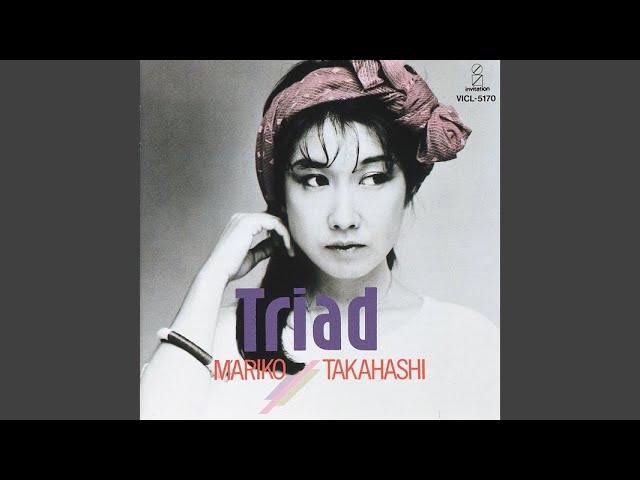
It is a masterpiece that fuses an exotic, Mediterranean-like atmosphere with an urban, sophisticated sound.
The song dreamily portrays a woman who blossoms like a flower when embraced by her lover, expressing both the beauty and the fragility of love.
Mariko Takahashi’s delicate yet powerful vocals further deepen the work’s unique world.
Released in May 1984 as the commercial song for Sanki’s “Camellia Diamond,” it was also included on the album Triad.
Highly acclaimed—including winning the Lyrics Award at the 26th Japan Record Awards—it became a long-running hit.
With a quiet mood that hints at hidden passion, this is a perfect track for spending peaceful moments with someone special.