

Uplifting songs recommended for people in their 60s: classic and popular Japanese hits

A special feature on lively Japanese songs recommended for people in their 60s.
These are all timeless classics that will have you humming along before you know it!
Why not play them while doing housework or during your free time to brighten your days?
These songs are sure to get everyone excited!
- Recommended winter songs for people in their 60s. Timeless masterpieces of winter songs.
- [For hobbies and building strength] Dance songs recommended for people in their 60s. Dance for fun and stay healthy!
- [Recommended for people in their 70s] Songs that get everyone excited. Songs you’ll want to sing at karaoke.
- Upbeat Japanese songs recommended for women in their 60s
- Popular Japanese songs among men in their 60s: recommended masterpieces and classic tracks
- Anime songs recommended for people in their 60s: from nostalgic classics to the latest hits
- Good songs recommended for people in their 60s: classic and popular Japanese tracks
- Good songs recommended for people in their 50s: classic and popular J-pop tracks.
- Recommended for women in their 60s! Songs that get the crowd going at karaoke
- Love songs that resonate with women in their 60s: gem-like romance tunes that revive memories of youth.
- [2026] Crowd-Pleasing Songs Recommended for People in Their 50s: A Collection of Nostalgic Classics
- Recommended Summer Songs for People in Their 60s: Classic and Popular J-Pop Hits [2026]
- Great songs recommended for people in their 30s. Classic and popular Japanese songs.
Upbeat songs recommended for people in their 60s: Classic and popular Japanese hits (51–60)
Tetsujin 28-goDuke Aces

This is the opening theme of the TV anime Tetsujin 28-go, which began airing in 1963 and captivated children of the time.
The Glico chorus at the beginning is well known.
In the 2004 version of the anime, it was sung by the Roppongi Male Chorus Club.
The lights of Sakhalin do not go outZa Jenoba

A crowning achievement of 1960s Group Sounds from Crown Records.
With a bittersweet melody and lyrics in the style of a Russian folk song that weave in images of the northern provinces, this soul-stirring track moves every listener.
It builds a one-of-a-kind world that feels both nostalgic and fresh.
The Genova’s debut single from February 1968 is known as a unique outlier within the 1960s Group Sounds scene, and it recorded an astonishing sales figure of over 100,000 copies.
Seamlessly blending electric guitar and band-driven sound with elements of kayōkyoku, this work lingers as a gem of a ballad that stands beside the aching hearts of those who’ve lost their hometown or their love.
It’s a classic to be heard on a quiet night by anyone who has known heartbreak or parting, or who carries deep feelings within.
No-No BoyZa Supaidāsu

This song fuses sophisticated chord progressions influenced by the British beat with a soul-stirring rock ’n’ roll sound.
The musical style crafted by Hiroshi Kamayatsu opened up new possibilities for Japan’s rock scene at the time.
Released as a single by Philips Records in February 1966, it was also featured in the Nikkatsu film Youth A-Go-Go that same year.
With catchy, love-themed phrases repeated throughout, it leaves a deep impression on listeners.
Boasting an innovative melody line and a stylish vibe, this track is recommended for those who want to relive the bittersweet memories of their youth, as well as music fans eager to savor a classic that represents the golden era of Japanese rock.
Children Who Don’t Know WarJirōzu

It was released in February 1971 as a signature song by the folk band Jiros.
It peaked at No.
11 on the Oricon chart and won both the Newcomer Award and the Lyricist Award at the Japan Record Awards.
In 1973, a film of the same name directed by Masashi Matsumoto was released.
Upbeat songs recommended for people in their 60s: Classic and popular Japanese tracks (61–70)
Leap into the blue sky!Pinkī to Kirāzu

It’s a single released in May 1969 by the bossa nova band Pinky and the Killers.
It was used as the theme song for the TV drama “Soar into the Blue Sky!” in which Pinky and the Killers appeared.
Incidentally, this drama has a comic adaptation by Waki Yamato.
SenbonzakuraWagakki Band
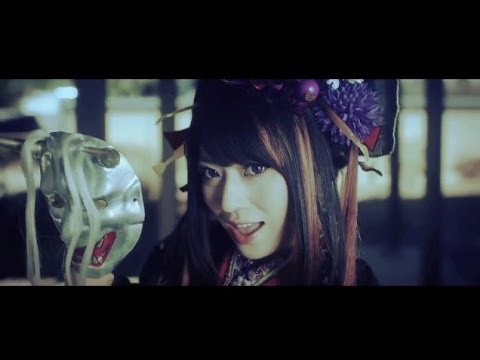
A captivating track featuring an innovative sound that fuses Japanese tradition with rock.
It’s included on Wagakki Band’s album Vocalo Zanmai, released in April 2014.
After the music video premiered on YouTube, it quickly became a sensation and surpassed 100 million views.
That same year, the band made their terrestrial TV debut on TV Asahi’s Music Station, drawing even more attention.
This work brilliantly harmonizes the tones of traditional Japanese instruments with a modern rock beat.
The world of wa created by the shakuhachi, shamisen, and taiko blends exquisitely with the intense rock sound.
Highly recommended for those interested in traditional Japanese music or seeking a fresh musical experience.
In the pouring rainWada Akiko

It was Akiko Wada’s second single, released in April 1969.
It reached No.
19 on the Oricon singles chart, and it’s no exaggeration to say that this song helped raise Wada’s profile.
It was later covered by the Crazy Dogs.