

![[Smetana’s Piano Works] A curated selection of gems by the composer of the masterpiece “The Moldau.”](https://i.ytimg.com/vi_webp/BM_51ss16KI/maxresdefault.webp)
[Smetana’s Piano Works] A curated selection of gems by the composer of the masterpiece “The Moldau.”

Many of you probably know the Czech composer Bedřich Smetana as the creator of the cycle of symphonic poems Má vlast (My Homeland), which includes the famous Vltava (The Moldau).
Although Smetana is often noted for his orchestral and operatic works, he was in fact an outstanding pianist himself, and he left behind numerous piano pieces distinguished by beautiful melodies and virtuosic passages.
In this article, we will introduce some of Smetana’s popular piano works that are frequently performed in concerts and other settings.
[Smetana’s Piano Works] A curated selection of gems by the composer of the masterpiece “The Moldau” (1–10)
From the symphonic poem cycle My Fatherland, No. 2: The MoldauBedřich Smetana

The Czech composer Bedřich Smetana strongly desired freedom and independence for his homeland, which was under the rule of the Austrian Empire in the 19th century, and he devoted himself to elevating Czech national consciousness through music.
The second piece of his symphonic poem cycle Má vlast, “Vltava” (The Moldau), depicts the flow of the river that represents the Czech lands.
It vividly conveys the nature of Smetana’s beloved homeland and the spirit of its people.
This masterpiece, which compels us to feel Smetana’s profound patriotism reaching into the very soul of the nation, has been cherished in various arrangements and is frequently featured in piano concerts.
Piano Sonata in G minorBedřich Smetana

Composed in 1846 by Bedřich Smetana, the father of the Czech national school, the Piano Sonata in G Minor is known as one of his important early works.
Consisting of four movements, this sonata is an ambitious piece brimming with the young Smetana’s musical talent and passion.
The virtuosic passages in the final movement, in particular, are overwhelming to the listener and showcase Smetana’s prowess as a pianist.
Deeply infused with the composer’s personal emotions, the work is a masterpiece that combines the rich expressiveness of Romantic music with formal beauty.
rondoBedřich Smetana

Bedřich Smetana, the national composer of the Czech Republic, was in fact also an outstanding pianist, and he left behind piano works that shine with brilliant technique and expressive power.
The Rondo for two pianos, eight hands is a piece characterized by its dynamic, rhythmic nature.
It overflows with lively, cheerful melodies, musically expressing Smetana’s patriotism and his feelings for his homeland.
His works often adopt themes rooted in Czech landscapes and history, and this piece can be understood in that context as well.
It is recommended not only for lovers of classical music but also for those interested in piano ensemble.
Three Poetic Polkas, Op. 8Bedřich Smetana

Three Poetic Polkas, Op.
8, by the great Czech composer Bedřich Smetana, fuse virtuosity with national elements.
No.
1 is lively and rhythmic; No.
2, in a minor key, has a reflective mood; and No.
3 is bright and energetic.
Each of the three pieces has its own key and character, vividly reflecting the young Smetana’s sensibility and Czech national identity.
With its distinctive atmosphere and rhythms, as well as Smetana’s refined craftsmanship, this work is recommended not only for piano enthusiasts but also for anyone who wants to ride along with its buoyant pulse.
Andante in E-flat majorBedřich Smetana

Bedřich Smetana is one of the leading composers of 19th-century Czech music.
From an early age he showed musical talent, and he contributed to the development of Czech music through operas and other orchestral works.
He was also an excellent pianist, leaving behind beautiful and moving pieces for the piano.
Andante in E-flat major is a piece notable for its limpid melody that evokes a calm, beautiful landscape.
It brings peace and gentleness to the listener’s heart.
This work is recommended for those who wish to enjoy romantic expression and savor a rich sonority.
SonataBedřich Smetana
Bedřich Smetana, the great Czech composer.
While he is known for his operas and symphonic poems, he was also an excellent pianist, leaving behind piano works characterized by beautiful melodies and virtuosic passages.
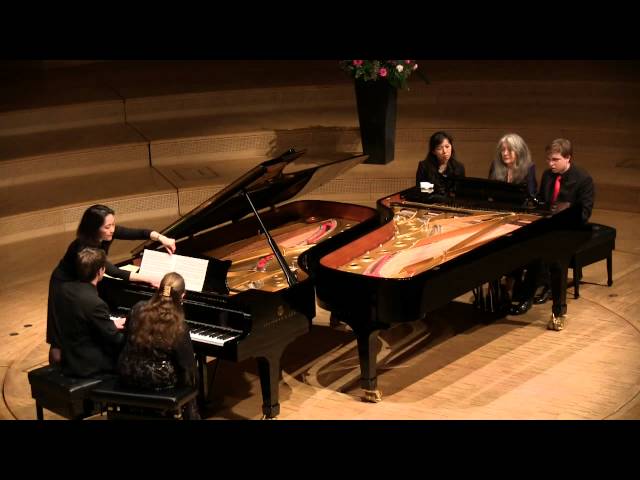
Composed in his youth in 1846, the Sonata is a passionate work for two pianos, eight hands.
Strongly reflecting the influence of Romantic music, it is an ambitious piece that already showcases his distinctive musical voice.
With its rich sonorities and delicate touch, this work offers a full experience of Smetana’s musical world—perfect for those who love passionate Romantic music and for anyone wishing to discover the appeal of Smetana’s piano works!
Fantasia on a Czech Folk SongBedřich Smetana

Smetana, often called the father of Czech national music, displayed musical talent from an early age and created numerous works celebrating Czech culture and history.
Fantasia on Czech Folk Songs is a solo piano piece based on Czech folk melodies, imbued with Smetana’s patriotism and passion.
It masterfully fuses folk-inspired melodies with refined pianism, resulting in a warm work that evokes the Czech landscape and the lives of its people.
It is recommended not only for classical music enthusiasts but also for those interested in folk music.