

Songs with titles that start with “Chi.” Useful as hints for word-chain games!

Karaoke shiritori, where you connect the last character of a song you sing to the first character of the next song, and title-only shiritori, where you play using just song titles—both are fun games that use music, aren’t they?
In this article, we’ll introduce lots of songs that start with “chi” so you can use them as a reference for shiritori karaoke and song-title shiritori.
When you think of words that start with “chi,” examples include “chokorēto” (chocolate), “chīsana” (small/little), and “cherī” (cherry).
Seeing these words might bring a few song titles to mind, right?
We’ve selected popular songs across eras, genres, and genders, so if there’s one you think you can sing, definitely give it a try!
- Compilation of Vocaloid songs with titles starting with “Chi”
- Songs with titles starting with “Ki” [Great for karaoke & shiritori!]
- Songs with titles starting with “Ko” [Great for karaoke and shiritori, too!]
- Coming-of-age songs for your 50s: heart-thumping × heartwarming classics and popular tracks [2026]
- Songs with titles that start with “te.” Perfect for shiritori karaoke or song-title shiritori!
- Songs with titles that start with 'Ke'
- A roundup of songs that start with “ku.” Perfect for shiritori or picking karaoke tracks!
- Songs that start with the letter “Shi.” Perfect for shiritori or karaoke!
- Songs with titles that start with “Na.” A hint for shiritori!
- Compilation of Vocaloid songs that start with 'Ri'
- Songs with titles that start with “Pi.” Useful for word-chain games or karaoke hints!
- A roundup of songs with titles starting with “Re.” Great for karaoke shiritori too!
- A classic song with a title that starts with “Ru”
Songs with titles that start with “Chi.” Useful as hints for word-chain games! (71–80)
Chika-tto Chika, Chika!Fujiwara Chika (Kohara Konomi)

A cute, characterful number where the student council secretary of Shuchiin Academy sings and dances.
Released in April 2019 as a song by Chika Fujiwara, portrayed by voice actress Konomi Kohara, it was used as the ending theme of episode 3 in season 1 of the TV anime “Kaguya-sama: Love Is War.” Its pop lyrics packed with onomatopoeia and its up-tempo, electronic sound perfectly showcase her airheaded charm.
Inevitable crowd-pleaser at karaoke if you copy the choreography! It’s also an ideal track for anyone wanting to try a dance cover video.
Chase the Light!Fear, and Loathing in Las Vegas
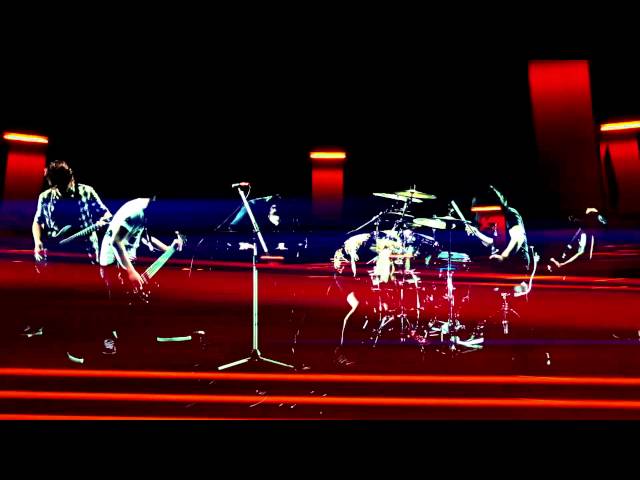
It’s an irresistibly exhilarating loud rock number with an intense yet refreshing sense of speed! It’s a track by the Kobe-based band Fear, and Loathing in Las Vegas, included on their 2011 mini-album NEXTREME, their first nationally distributed release.
The song was used as the opening theme for the anime Kaiji: Hakairoku-hen.
It delivers an electrocore sound where electronic elements and fierce guitars intertwine with clean vocals and shouts.
Conveying a strong will to move forward despite loneliness and inner conflict, this piece is recommended when you need the courage to face adversity.
CHAINBIGMAMA

Included on the 2007 album “Love and Leave,” this track also appears on the 2017 best-of compilation “BESTMAMA” as a signature piece from BIGMAMA’s early period.
It’s a beautiful work where grand strings meet a rock sound.
The lyrics, portraying human connections and the causality of cause and effect, leave a deep impression on listeners.
With melodies that wear their emotions on their sleeve, it’s a song that lets you fully savor BIGMAMA’s distinctive style.
Songs with titles starting with 'Chi'. Useful as hints for shiritori and more! (81–90)
Geography | Nowhere Now hereBIGMAMA

This piece is included on the album “Tokyo Emotional Gakuen,” released in October 2023.
With the concept of “Youth is emo,” each track is titled after a school subject, and this song is placed as the eighth track.
It unfolds a progressive and emotional sound.
Many listeners will likely relate to the lyrics, which wander in uncertainty about where one is headed.
It’s a track that condenses the essence of BIGMAMA, where intensity and lyricism intersect.
ChangesHi-STANDARD

This song is a reconstruction of the legendary ballad created by the iconic heavy metal band Black Sabbath.
While preserving the melancholic yet beautiful melody of the original, the addition of distorted guitars and an urgent beat imbues it with a palpable strength amid the sadness.
Released in June 1999, it is included on the landmark album MAKING THE ROAD, which sold over 650,000 copies.
The song portrays the deep sorrow of a man whose beloved woman has left him, alongside his helpless attempt to accept the change in their relationship—its raw emotional expression is truly heart-wrenching.
It’s a track that gently stays by your side on nights weighed down by an overwhelming sense of loss.
A Little SongJUJU

JUJU made her full-fledged debut in 2009.
For many women in their 40s, “Yasashisa de Afureru You ni” might be their youth anthem.
JUJU released “Chiisana Uta” in September 2025.
It has a very calm vibe, so once you learn the melody, it’s easy for anyone to sing.
The overall vocal range is G#3 to C#5, and since it’s not a song that requires belting, it’s reassuring for those who struggle with high notes.
If you place each word carefully as you sing, you won’t rush the rhythm.
Singing as if you’re speaking to someone also helps you keep the rhythm, so it’s recommended! For parts that feel a bit high, use plenty of breath and lightly sing with the image of resonating in your head.
Also, the key changes in the last chorus and the range goes up, so don’t push it—getting comfortable using falsetto there will make it easier to sing.

ChaO!Kōda Kumi
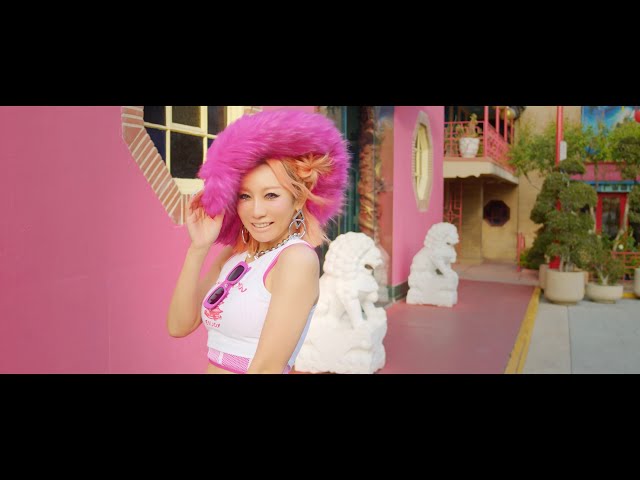
ChaO! is more about the groove than the “singing.” If you really move your body and get into the rhythm as you sing, you’ll find it consistently enjoyable, so if you’re not confident in your pitch, a song like this is a great choice! The chorus uses a lot of notes around the mid–2 range, but if you’re locked into the groove, that range should come out smoothly.
Don’t tense up—let the notes flow comfortably.
At the very end of the song, you might wonder whether to sing the lyrics line or the long-held note; either one sounds cool, so just go with the one you want to sing!