

Songs with titles that start with “Chi.” Useful as hints for word-chain games!

Karaoke shiritori, where you connect the last character of a song you sing to the first character of the next song, and title-only shiritori, where you play using just song titles—both are fun games that use music, aren’t they?
In this article, we’ll introduce lots of songs that start with “chi” so you can use them as a reference for shiritori karaoke and song-title shiritori.
When you think of words that start with “chi,” examples include “chokorēto” (chocolate), “chīsana” (small/little), and “cherī” (cherry).
Seeing these words might bring a few song titles to mind, right?
We’ve selected popular songs across eras, genres, and genders, so if there’s one you think you can sing, definitely give it a try!
- Compilation of Vocaloid songs with titles starting with “Chi”
- Songs with titles starting with “Ki” [Great for karaoke & shiritori!]
- Songs with titles starting with “Ko” [Great for karaoke and shiritori, too!]
- Coming-of-age songs for your 50s: heart-thumping × heartwarming classics and popular tracks [2026]
- Songs with titles that start with “te.” Perfect for shiritori karaoke or song-title shiritori!
- Songs with titles that start with 'Ke'
- A roundup of songs that start with “ku.” Perfect for shiritori or picking karaoke tracks!
- Songs that start with the letter “Shi.” Perfect for shiritori or karaoke!
- Songs with titles that start with “Na.” A hint for shiritori!
- Compilation of Vocaloid songs that start with 'Ri'
- Songs with titles that start with “Pi.” Useful for word-chain games or karaoke hints!
- A roundup of songs with titles starting with “Re.” Great for karaoke shiritori too!
- A classic song with a title that starts with “Ru”
Songs with titles that start with “Chi.” Useful as hints for word-chain games! (31–40)
Charming Babypiinata

How about an exquisite pop tune with Chinese-flavored electronic sounds that linger in your ears? This addictive, charming track—featuring a cute, whimsical world—was created by Piinata and released in April 2025.
Set to Hatsune Miku’s vocals, it sings of the bittersweetness and urgency of love from a unique perspective.
The lyrics are sprinkled with biological terms and Chinese, revealing something new with every listen.
Interestingly, the piece originated from something made on an iPhone three years ago, and knowing it finally saw the light of day after some time makes it all the more moving.
With its sparkling sound and wordplay packed with information, you’ll find yourself hitting repeat again and again.
If you enjoy cute music with a slightly poisonous edge, Piinata’s work is highly recommended!
Planet Makeup ProjectCUTIE STREET

This high-energy pop tune by CUTIE STREET made big waves because Aribobo from Yabai T-Shirts Yasan handled both the lyrics and composition.
Ever since its first live debut at their first one-man show in February 2025, it’s captivated venues with its full-throttle humor and exhilarating sound.
Brimming with the kind of energy that can turn even the slapstick chaos behind all things “cute” into laughter, it’s guaranteed to lift your spirits just by listening.
The track was also included as the title song on the single “Can’t Stop on Cue! / Earth Makeup Plan,” released in July 2025, which sold over 500,000 copies in its first week.
If you listen when you’re feeling down, it’ll blow your worries away and give you the power to look forward.
A Little SpoonfulCUTIE STREET

When it comes to songs that blend the ache of knowing love alone can’t change everything with a forward-looking spirit, this number by CUTIE STREET comes to mind.
It leaves a strong impression with its cool dance moves and guitar-driven sound, offering a different flavor from their usual all-out “KAWAII” image.
In this track they sing, the lyrics resonate like a “magic spell,” capturing the frustration of a love that won’t reach the other person no matter how much you try—changing your clothes or hairstyle for them.
Released for streaming in June 2025 and included on the single CD “We Can’t Stop on Cue! / Earth Make-up Plan” released the following July, the song had already been performed at live shows before its official recording, and had grown into a cherished piece among fans.
If you listen to it on nights troubled by unrequited love or when you need one more push, it will surely give you courage.
Small WorldSakushi: Wakatani Kazuko / Sakkyoku: R. Shaaman Kyoudai
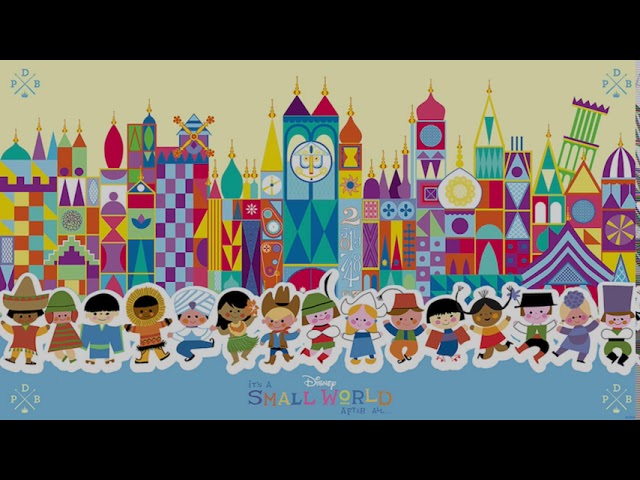
It’s a classic filled with a wish for peace, evoking an image of children around the world holding hands and singing with smiles.
Its message of breaking down barriers and getting along is perfect for meeting new friends as a fresh start begins.
The piece was unveiled in April 1964 at the New York World’s Fair as the theme song for a Disney attraction.
With a melody by the Sherman Brothers and warm Japanese lyrics by Kazuko Wakatani, it has been loved across generations.
At entrance ceremonies, even nervous children will likely relax naturally when they hear this familiar tune.
It’s also a song well known to parents, making it ideal for creating a warm atmosphere as everyone in the venue hums along.
CHOSENI Needed This Dave

The track “CHOSEN” by I Needed This Dave pioneers new horizons in Christian music by leveraging the generative AI tool Suno.
As the title suggests, it delivers a powerful message that encourages awareness of being “chosen,” expressing an unyielding stance in the face of adversity over an exhilarating beat.
Released in February 2026, the piece stands out for the artist crafting the lyrics and building the sound together with AI.
The rapid pace at which new songs have been released is astonishing, yet the passion infused in them is genuine.
It’s a song that gives you a boost of energy—perfect for when you’re taking on a challenge or need to motivate yourself.
Songs with titles that start with “Chi” (Japanese syllable ち). Useful as hints for shiritori! (41–50)
ChiharuKitanitatsuya

With the arrival of spring comes the feel of a slightly chilly breeze and damp air…
This song by Tatsuya Kitani captures that seasonal tremor with exquisite words.
n-buna from Yorushika plays guitar, and the sound leaves a striking impression—fresh yet tinged with wistfulness.
Written in March 2022 as part of a collaboration between Asahi Super Dry and the YouTube channel THE FIRST TAKE, the track is also included on the album BIPOLAR.
It portrays the reality of spring—more than just brightness.
Images that suggest looming farewells and time gone by overlap with listeners’ own memories and truly move the heart.
It’s perfect for a quiet night spent alone during that period when anxiety and expectation mingle as you head into a new environment.
the other side of the Earthiyowa

Why does it sound so pleasant despite the unsettling piano and irregular rhythms? Released in November 2022, this piece appears on the compilation album “Paranormal” and on the 2024 album “Movies, Sun-drenched Places, Graduation Ceremony.” The raw pain and inescapable emotions depicted in the lyrics grow more affecting the more you listen.
The thrilling structure, with its repeated tempo changes, feels like a roller coaster.
It’s the perfect track for anyone seeking a stimulating musical experience.