

[Difficult] A compilation of quizzes featured on Toudai-ou (University of Tokyo King)

The quiz show “Toudaiou” airs on TBS.
It’s a hugely popular program where current University of Tokyo students and celebrities face off using their knowledge and quick wits.
Although the questions asked are quite advanced, they make you want to give them a try.
In this article, we’ll present questions from “Toudaiou,” categorized into genres such as difficult kanji, puzzle-solving, and general knowledge.
Use it not only to aim for the right answers, but also to build your knowledge and train your problem-solving instincts!
- A collection of challenging quizzes for adults [Difficult]
- Genius if you can solve it? Super-difficult Quiz Collection
- [Easy] Quiz for Middle School Students
- [Battle of Wits] Stimulate your intellectual curiosity! Quiz questions that get adults excited
- [Brain Training] Difficult Riddles That Even Adults Struggle With
- [Challenging] General Knowledge Quiz Compilation: Difficult and Interesting Multiple-Choice Questions (3 Options)
- Quiz for high school students
- [Easy] Fun and Educational Quizzes! A Collection of Interesting Problems for University Students
- Riddles for college students. Questions that test thinking and creativity.
- [Daily Challenge] A Collection of Cipher Quiz Problems to Stimulate the Adult Brain
- Let's take on a four-choice quiz that everyone can enjoy together!
- [Interesting] Summary of Kanji Reading Quiz Questions
- Fun quizzes for elementary school kids: a collection of questions everyone can enjoy together
Brain Teaser Quiz (1–10)
Taku → drum, saru → arrow, tsumu → furoshiki wrapping cloth. Then what is “suru → ○”?
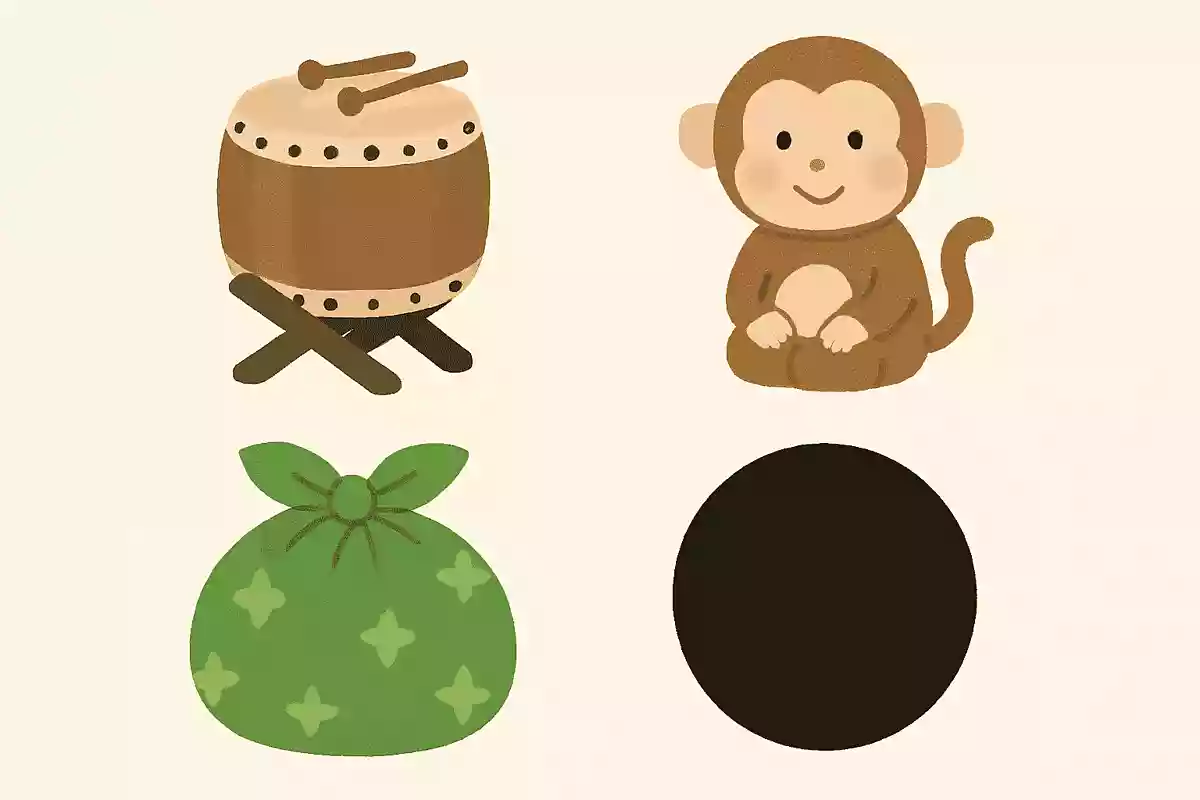
- Pizza
- soba
- Cookie
See the answer
soba
The answer is “soba.” If you read the first hiragana on the left of each arrow twice, you get words that suggest the words on the right side of the arrow: “ta-taku” (to hit), “sa-saru” (to pierce), and “tsu-tsumu” (to wrap). Applying the same transformation to “suru” yields “su-suru” (to slurp), so the correct answer is “soba,” which is eaten by slurping.

Alley → look, chair → swim, whispering → polish, then what is “skewer → ○”?

- laugh
- get angry
- to cry
See the answer
to cry
The answer is “to cry.” If you read each word on the left backwards twice, you get onomatopoeias that link to verbs: 路地 (roji) becomes “jiro-jiro,” which connects to “to look/stare”; イス (isu) becomes “sui-sui,” which connects to “to swim smoothly”; 私語 (shigo) becomes “goshi-goshi,” which connects to “to scrub/polish.” Therefore, 串 (kushi) becomes “shiku-shiku,” and the answer is “to cry.”
9 → bamboo thicket (yabu), 2 → rose (bara), 3 → deer (shika). Then for “○ → island (shima)”, which number fits?
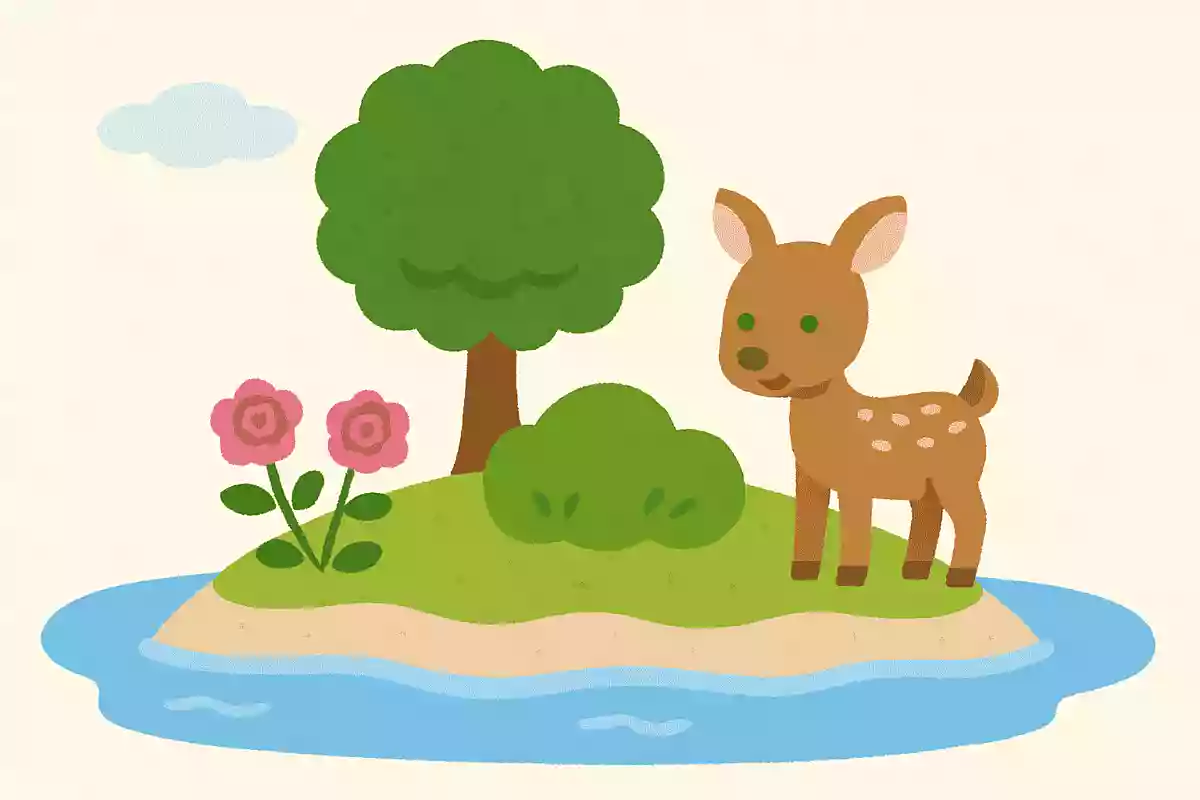
- 5
- 6
- 7
See the answer
6
The answer is “6.” If you insert the number on the left, written in hiragana, into the middle of the word on the right of the arrow, you get a different word: putting “9” into “やぶ” (thicket) makes “やきゅうぶ” (baseball club), putting “2” into “ばら” (rose) makes “ばにら” (vanilla), and putting “3” into “しか” (deer) makes “しさんか” (oxidation). Therefore, inserting “6” into “しま” (island/stripes) makes “しろくま” (polar bear), so the correct answer is 6.
Knowledge Quiz (1–10)
Finally, it’s a knowledge quiz! We’ve gathered trivia-style questions that go beyond what you learn in school.
Even if you don’t get the answers right here, just taking on the challenge will help you build your knowledge, so be sure to use this as a chance to input some new facts!
What language is used as the primary official language at the Olympics?
There are two official languages at the Olympic Games; among the options below, which one is used as the primary official language?
- English
- French
- Spanish
See the answer
French
The primary official language of the Olympics is French, and the secondary official language is English. Because Pierre de Coubertin, a Frenchman known as the “father of the modern Olympics,” was instrumental in creating the modern Olympic Games, French is used as the primary official language at the Olympics.
Which of these is the name of a real island in Iwate Prefecture?
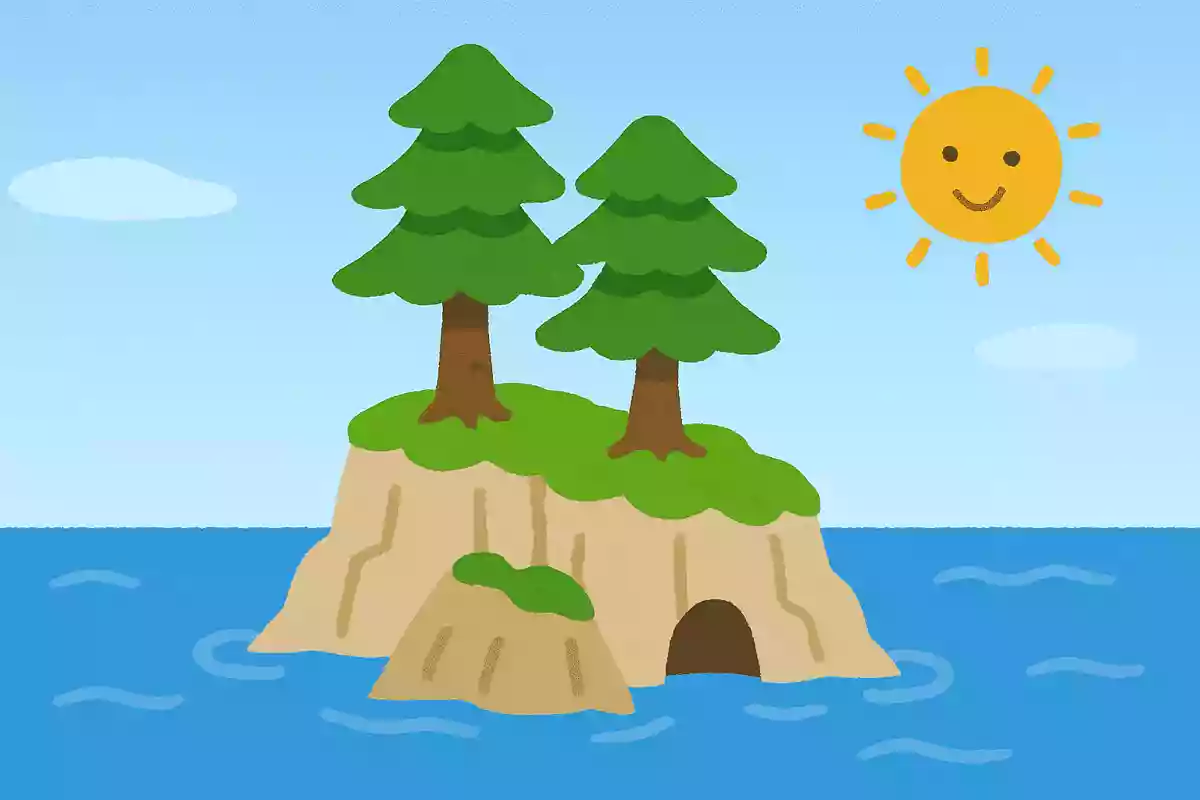
- Disappointment Island
- Exciting Island
- Sigh Island
See the answer
Disappointment Island
There is an island in Iwate Prefecture that is actually named “Disappointment Island.” Disappointment Island is an uninhabited island in the city of Miyako, Iwate. The origin of the name is said to come from the fact that, for some reason, no seafood can be caught at all around the island, and that in the local dialect, the type of rocky area that makes up the island is called “gakkari” (disappointment).
Which country is said to have the world’s greatest labyrinth city?
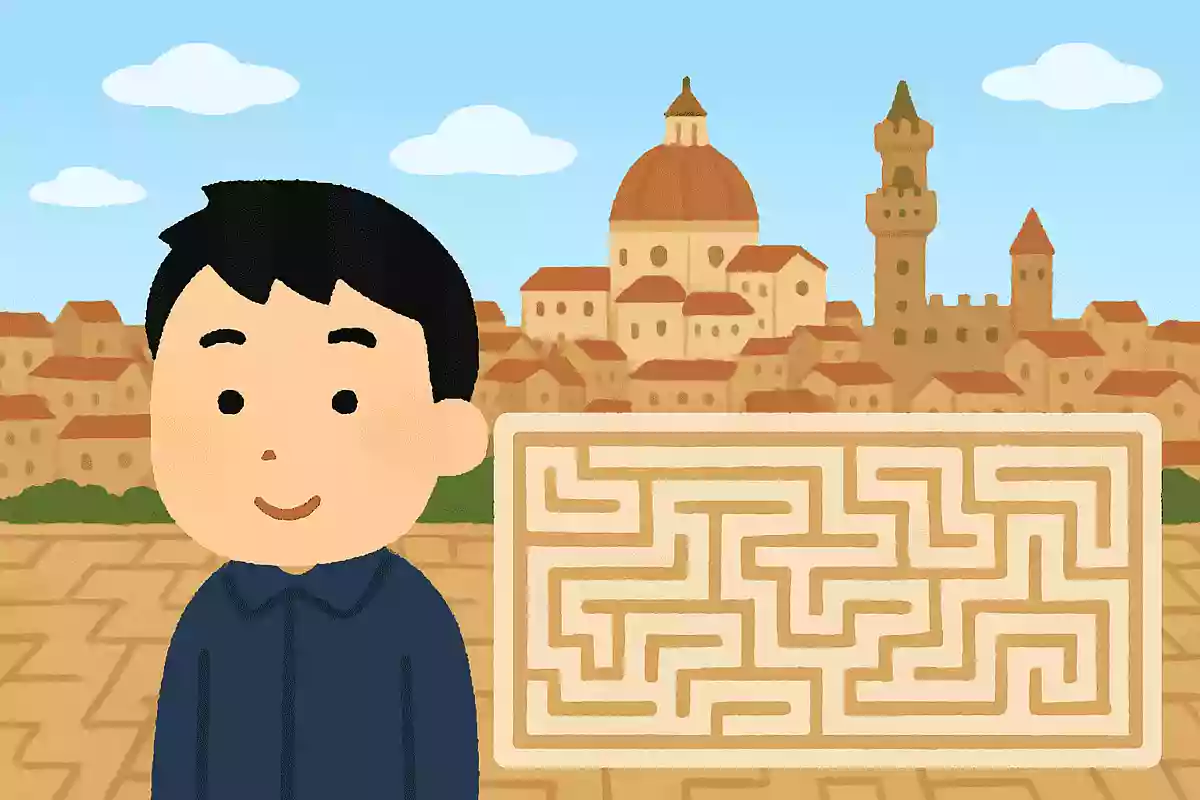
- Morocco
- Egypt
- Turkey
See the answer
Morocco
Located in North Africa, Morocco is said to be home to the world’s greatest maze-like city. The reason is that the structure of Fes el-Bali, a district in northern Morocco, is so complex that once you enter, it’s difficult to find your way out. You’ll be amazed by the number of buildings, narrow alleys, and dead ends.
What does the “donburi” in the expression “donburi kanjō” (sloppy accounting) refer to?
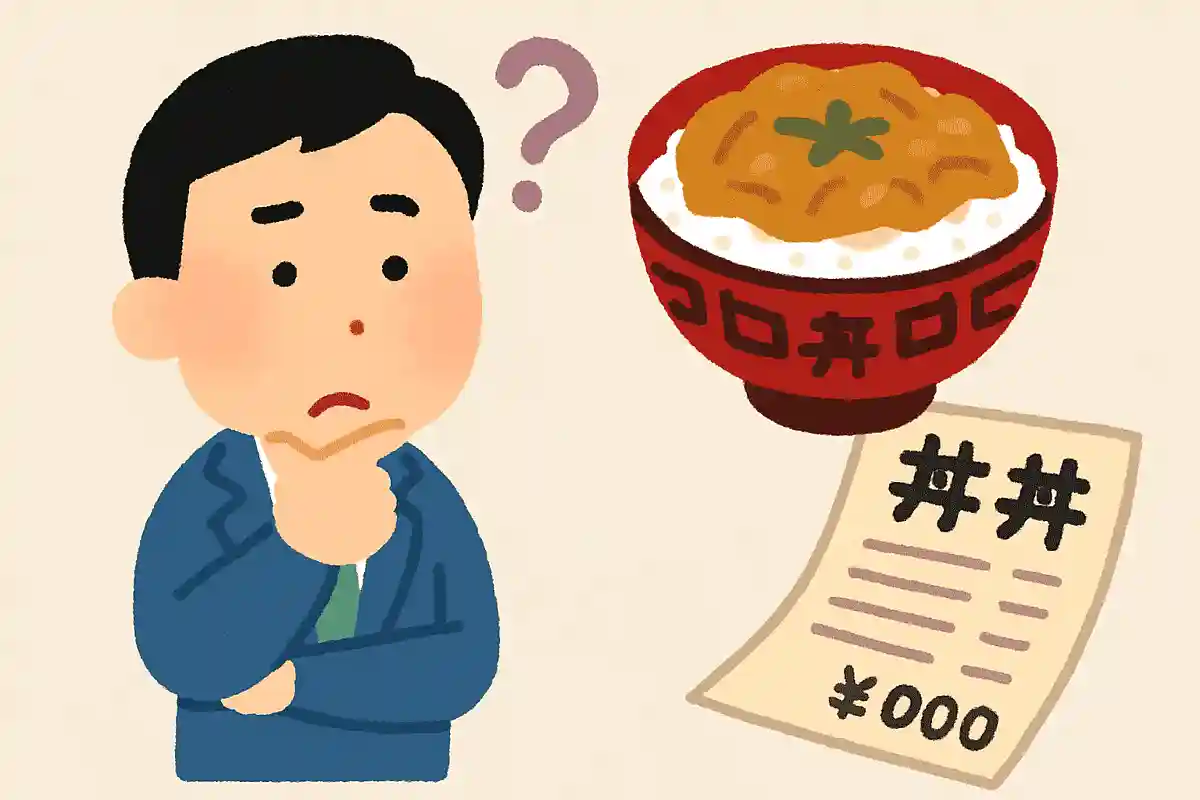
- hand
- tableware
See the answer
The phrase “donburi kanjo” refers to doing money calculations and handling cash carelessly. Here, “donburi” actually refers to the ‘pocket’ on the apron that craftsmen used to wear. The term is said to come from the practice of moving money around using this pocket instead of a proper container.