

![[Difficult] A compilation of quizzes featured on Toudai-ou (University of Tokyo King)](https://media.ragnet.co.jp/img/1200__png__https://www.studiorag.com/files/2025/04/6d95a6a6ea60de1c85326a14c4daa378.webp)

The quiz show “Toudaiou” airs on TBS.
It’s a hugely popular program where current University of Tokyo students and celebrities face off using their knowledge and quick wits.
Although the questions asked are quite advanced, they make you want to give them a try.
In this article, we’ll present questions from “Toudaiou,” categorized into genres such as difficult kanji, puzzle-solving, and general knowledge.
Use it not only to aim for the right answers, but also to build your knowledge and train your problem-solving instincts!
- A collection of challenging quizzes for adults [Difficult]
- Genius if you can solve it? Super-difficult Quiz Collection
- [Easy] Quiz for Middle School Students
- [Battle of Wits] Stimulate your intellectual curiosity! Quiz questions that get adults excited
- [Brain Training] Difficult Riddles That Even Adults Struggle With
- [Challenging] General Knowledge Quiz Compilation: Difficult and Interesting Multiple-Choice Questions (3 Options)
- Quiz for high school students
- [Easy] Fun and Educational Quizzes! A Collection of Interesting Problems for University Students
- Riddles for college students. Questions that test thinking and creativity.
- [Daily Challenge] A Collection of Cipher Quiz Problems to Stimulate the Adult Brain
- Let's take on a four-choice quiz that everyone can enjoy together!
- [Interesting] Summary of Kanji Reading Quiz Questions
- Fun quizzes for elementary school kids: a collection of questions everyone can enjoy together
Readings of difficult kanji (1–10)
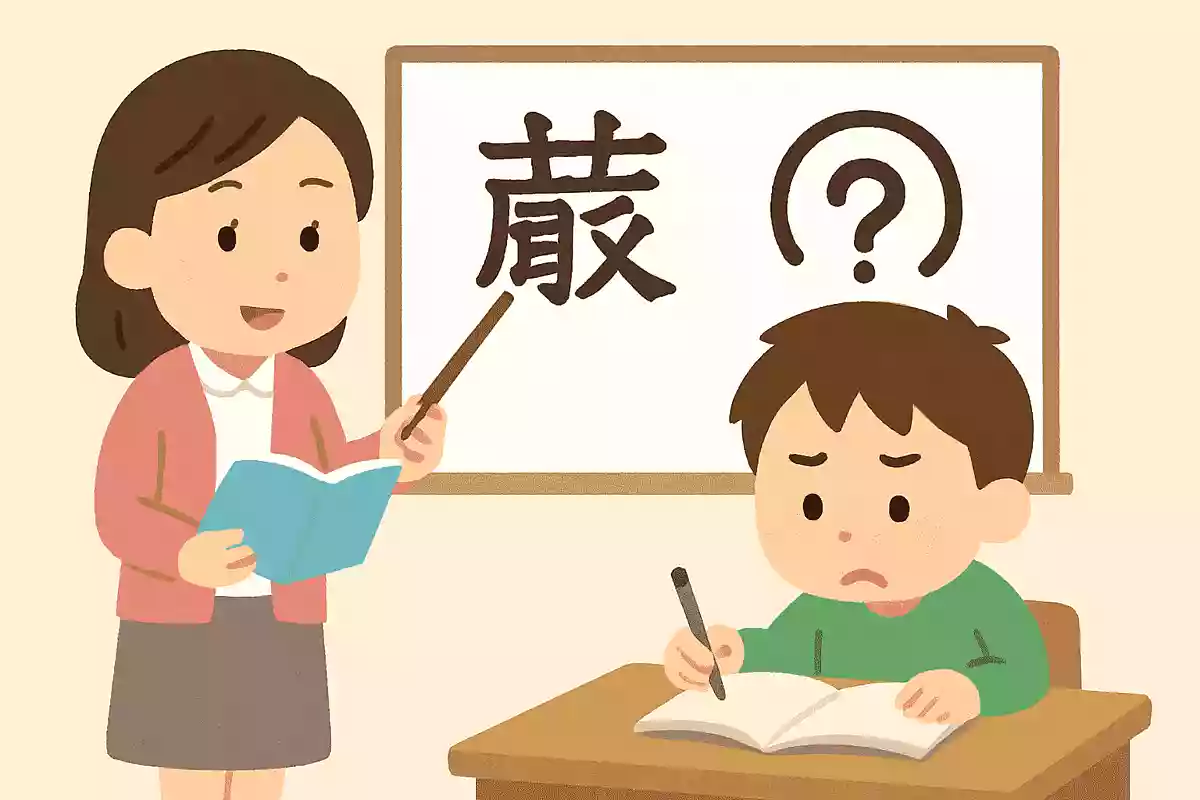
First up is a quiz on hard-to-read kanji, like the ones often featured in Toudai-Ou for puzzles such as Difficult Othello! Some characters look tough at a glance, while others are kanji you might recognize on their own but don’t know how to read as compounds.
We’ve gathered a selection of these—give it a try!
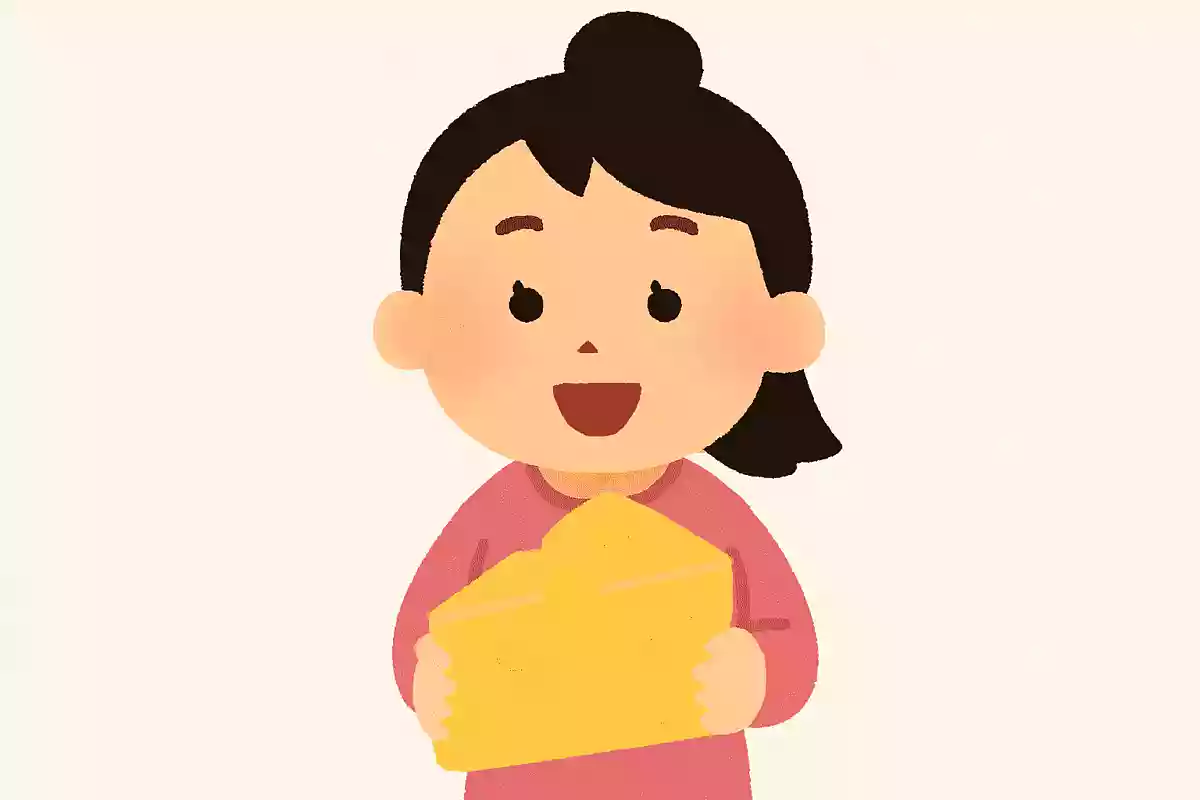
How do you pronounce “乾酪”?
See the answer
cheese
“乾酪” is read as “cheese.” If you read the kanji literally, it’s “kanraku,” but in this case the characters represent “cheese.” Incidentally, butter—also a dairy product like cheese—is written with the kanji “牛酪.” Please try to remember both!

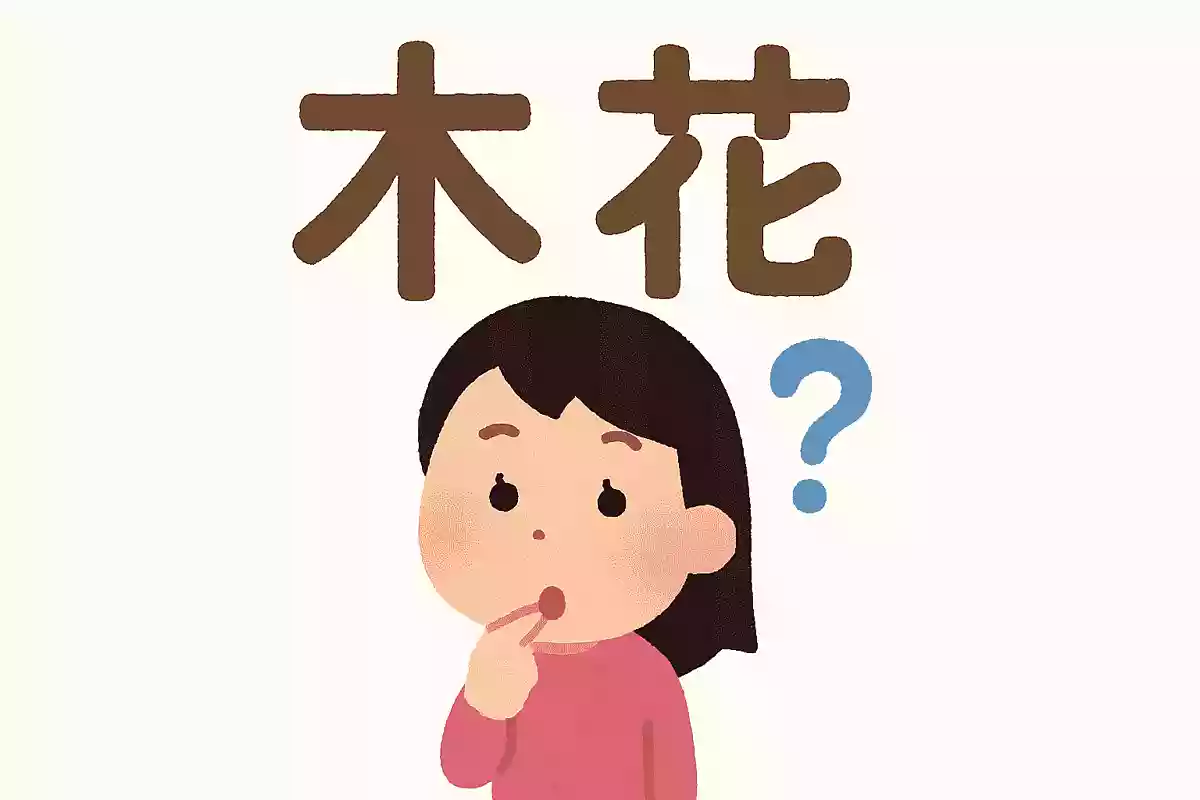
How do you read “此花”?
See the answer
this flower
“Kono-hana” is pronounced “Konohana.” Konohana is one of the wards in Osaka City, Osaka Prefecture, and it’s where Universal Studios Japan is located. The ward’s name is said to come from a poem recited by a figure named Wani, who came from Baekje; the poem is also used as the introductory verse in competitive karuta.
How do you read “翻車魚”? (Meaning: ocean sunfish)
See the answer
ocean sunfish
“翻車魚” is read as “manbō.” It’s said to have been applied to the ocean sunfish by adding the character for “fish” (魚) to “翻車,” which refers to an overturned wheel or resembles the shape of a waterwheel. In addition, “曼波魚” is also read as “manbō.”
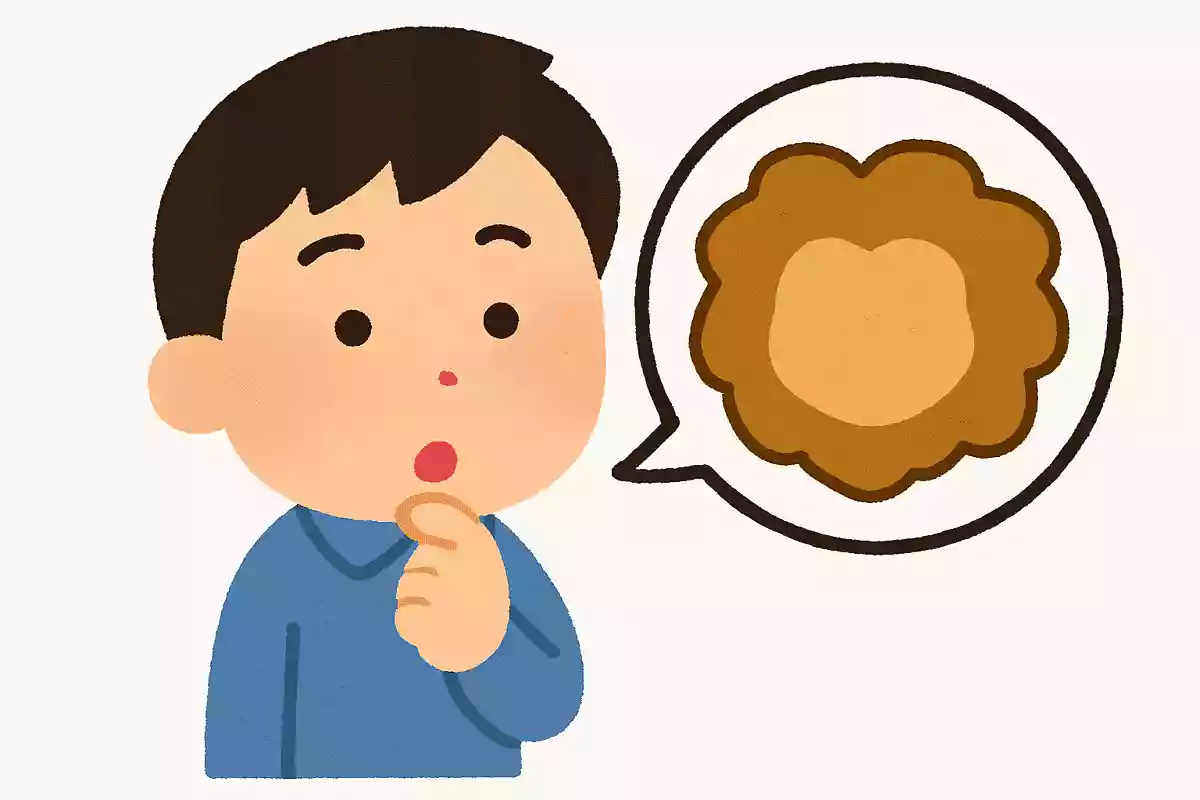
How do you read “鬣”?
See the answer
mane
“鬣” is read as “tategami.” Tategami refers to the hair found on an animal’s head or neck, and it is present in various animals such as lions, horses, and zebras. The functions of a mane include protecting the neck area, attracting mates, and regulating temperature.
How do you read (pronounce) “宍道湖”?

See the answer
Lake Shinji
“Shinjiko” is how you read the name of Lake Shinji. Lake Shinji spans Matsue and Izumo in Shimane Prefecture and is selected as one of Japan’s 100 Scenic Views. It’s also famous for its stunning sunsets—so when you visit, be sure to go see the sunset!
Brain Teaser Quiz (1–10)

Next, we’ll present some familiar flash-of-inspiration quizzes like the ones from “Toudaiou” (University of Tokyo King).
Sharp intuition and flexible thinking are key to arriving at the right answers.
Since there’s a strong riddle element, invite your children to join in the puzzle-solving too!
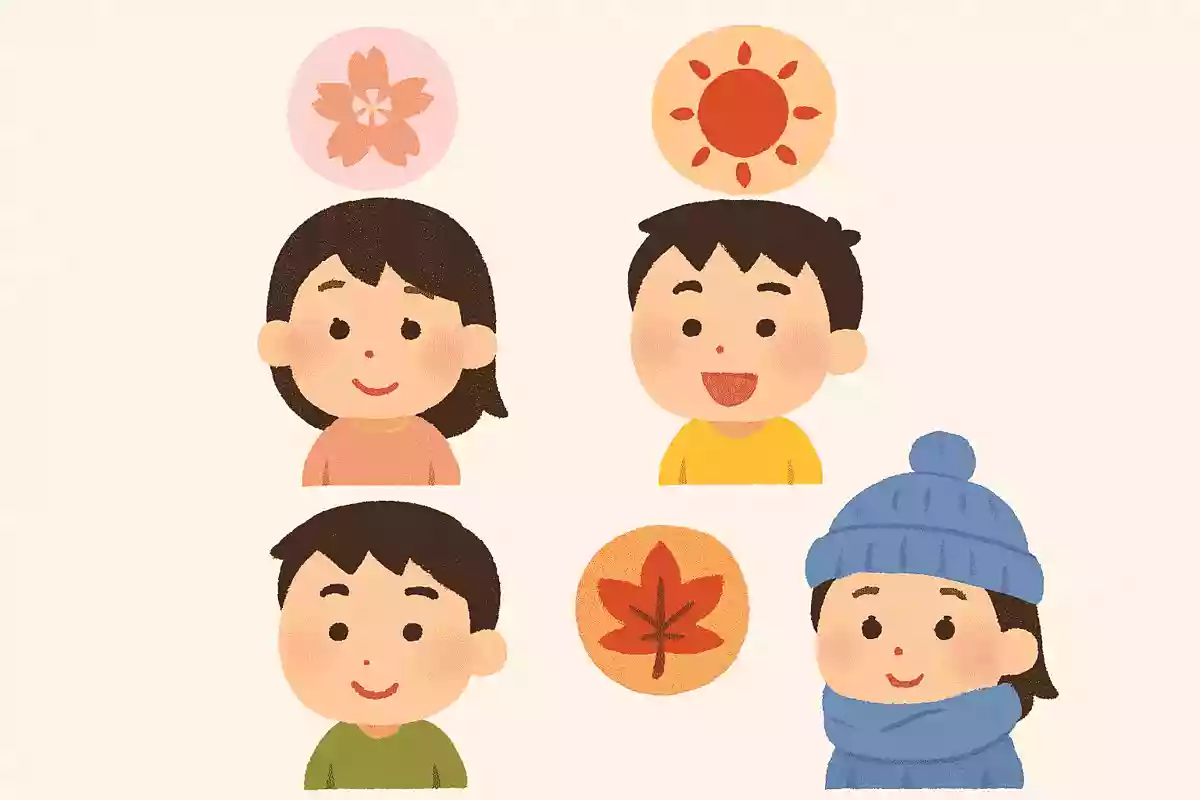
Spring = A, Summer = Y, Autumn/Fall = Y, so which alphabet letter fits in “Winter = ○”?
- F
- T
- W
See the answer
T
The answer is “Winter = T.” This lists the opening phrases for each season in The Pillow Book written by Sei Shōnagon. “In spring, it is the dawn,” so the initial is “A” for “akebono” (dawn). Similarly, “In summer, it is the night,” so “Y,” and “In autumn, it is the evening,” so “Y.” Therefore, “In winter, it is the early morning” (tsutomete), giving “T” as the answer.
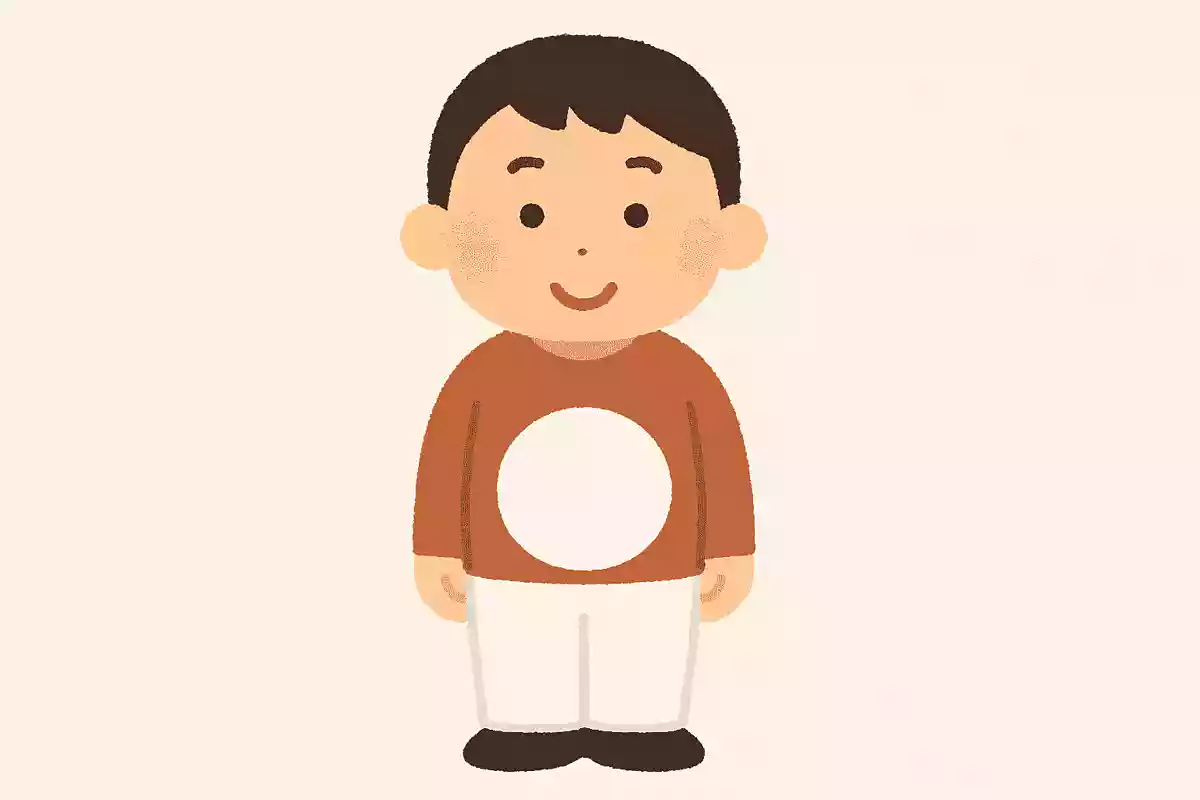
White → pants, number → straw, medicine → mochi. So what is “belly → ○”?
- trumpet
- piano
- drum
See the answer
trumpet
The answer is “trumpet.” If you take the on’yomi (Sino-Japanese readings) of each kanji and convert them to different kanji with the same reading, you get: 白 (haku) → 穿く (to wear/put on), 数 (sū) → 吸う (to inhale), 薬 (yaku) → 焼く (to burn), each of which evokes the item shown to the right of the arrow. Therefore, 腹 (fuku) → 吹く (to blow), which leads to something you blow to make sound—a trumpet.