

Songs with titles that start with “Tsu.” Introducing famous tracks from the Showa to Reiwa eras!

When you hear “songs with titles that start with ‘tsu,’” which ones come to mind?
It might not be easy to think of any right away, but if you look at words that start with “tsu” like “tsuki” (moon), “tsubasa” (wings), “tsuyoi” (strong), or “tsumi” (sin), chances are you’ll think, “Ah, that song!”
In this article, we’ll introduce a bunch of songs whose titles start with “tsu.”
Use it as a reference for shiritori with song-title restrictions, or as hints for karaoke shiritori where you connect songs by the last letter of the previous one.
- A Compilation of Vocaloid Songs Whose Titles Start with 'Tsu'
- Songs with titles that start with “Chi.” Useful as hints for word-chain games!
- Songs with titles that start with “te.” Perfect for shiritori karaoke or song-title shiritori!
- A roundup of songs with titles starting with “zu” (rare!)
- Winter songs in 90s J-pop: a roundup of popular winter tunes
- Introducing popular J-pop songs that start with “Ta”!
- [Winter Songs] The Best Classic and Popular Winter Tunes to Listen to in Winter
- Songs with titles that start with 'yu'
- Songs with titles starting with “To.” A selection from popular tracks across generations!
- [Easy to Sing] Recommended Winter Songs for Karaoke: A Collection of Classic Winter Hits
- A roundup of songs that start with “U.” Perfect for shiritori or picking tracks at karaoke!
- A compilation of Vocaloid songs with titles that start with “To”
- A roundup of songs whose titles start with 'Zu.' Handy for karaoke.
Songs with titles starting with “Tsu.” Introducing masterpieces from the Showa to Reiwa eras! (361–370)
Tsugaru Jongara-bushiTerauchi Takeshi

This is the song he covered when Takeshi Terauchi stood up squarely against the social trend that said people who play electric guitar are delinquents.
That song is Tsugaru Jongara Bushi.
It’s a famous, historic piece in Japan, and his skill in remaking it with fresh ideas can only be described as truly outstanding.
A night when the moonlight softly fallsOgawa Nao

This song conjures up the image of a perfectly round moon floating in the night sky.
Nanao Ogawa’s “Tsukiakari Funwari Ochite Kuru Yoru” is the ending theme for the anime Crayon Shin-chan, released in 1997 as her debut single.
Its gentle arrangement and tender vocals warm the heart—a true classic.
The lyrics capture the bittersweet feeling of love, making your heart flutter.
The irresistibly singable melody is another charm of the track.
It’s the perfect number for a leisurely long autumn night.

Songs with titles starting with “Tsu.” Introducing masterpieces from the Showa to Reiwa eras! (371–380)
Will you come with me?Kobayashi Akira

Although Akira Kobayashi is known for his tough-guy image, this song “Tsuite Kuru Kai” is a classic example of Showa-era kayōkyoku with lyrics that captivate both men and women.
It sings of how women wish men would be, and how men wish women would be.
The world doesn’t go the way songs do, though…
Will you come with me?Kobayashi Akira

Kobayashi Akira’s classic “Tsuite Kurukai,” marked by its poignantly sorrowful melody, is impressive.
As is typical of Kobayashi’s songs, the vocal range is on the wider side, but in this piece the only true high-tone section is the long note right before the chorus, so it shouldn’t pose a major obstacle.
However, there is one instance of kobushi in the middle of the chorus, which calls for attention.
The kobushi here is closer to a Western-style vocal riff than to an enka-style kobushi, so some familiarity with that approach will be necessary.

Strong feelings, strong loveOzawa Kenji

Kenji Ozawa is a singer-songwriter from Kanagawa who also made his mark as a member of Flipper’s Guitar.
Among his many songs, the one that really boosts your driving mood is “Tsuyoi Kimochi, Tsuyoi Ai” (“Strong Feelings, Strong Love”).
Its glamorous melody, opening with strings and chorus, leaves a vivid impression.
Riding on a brisk, upbeat rhythm, his freewheeling vocals unfold to full effect.
With a danceable beat that fits any driving scene from morning to night, it’s irresistible music that makes your body and heart sway—a dance classic loved across generations.

budKobuchi Kentaro (Kobukuro)
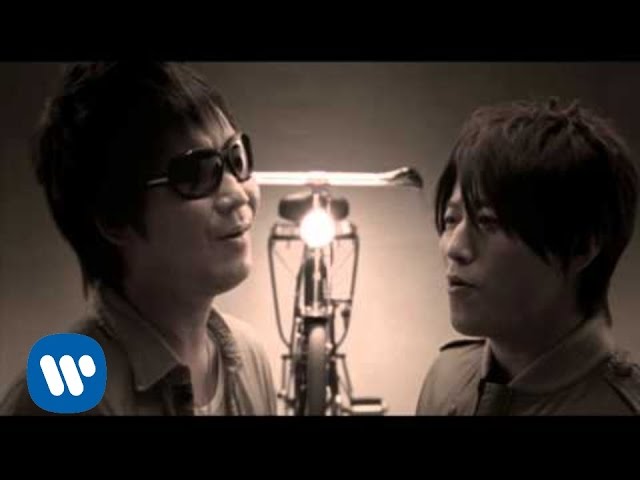
When you think of male duos, who comes to mind? Almost without fail, the name “Kobukuro” comes up, right? Kentaro Kobuchi of Kobukuro is from Miyazaki City, Miyazaki Prefecture.
Speaking of Kobuchi, he’s known for the go-to joke about always being called “the smaller one in Kobukuro,” saying, “It only looks that way because Kuroda is too big” (lol).
In Kobukuro, he handles the lyrics and composition for most of their songs, and they’re practically the quintessential male duo with fans across a wide range of demographics.

The Moon and the SunKominato Miwa

Miwa Kominato, a member of Taiyō to Ciscomoon, is from Sukagawa City in Fukushima Prefecture.
The group was formed by four people who passed the “Tsunku-Produced New Celebrity Unit Audition” held on TV Tokyo’s ASAYAN.
This song was released in 1999 as their debut single and was used in a commercial for Daini Denden (DDI Pocket).