

Songs with titles that start with “Tsu.” Introducing famous tracks from the Showa to Reiwa eras!

When you hear “songs with titles that start with ‘tsu,’” which ones come to mind?
It might not be easy to think of any right away, but if you look at words that start with “tsu” like “tsuki” (moon), “tsubasa” (wings), “tsuyoi” (strong), or “tsumi” (sin), chances are you’ll think, “Ah, that song!”
In this article, we’ll introduce a bunch of songs whose titles start with “tsu.”
Use it as a reference for shiritori with song-title restrictions, or as hints for karaoke shiritori where you connect songs by the last letter of the previous one.
- A Compilation of Vocaloid Songs Whose Titles Start with 'Tsu'
- Songs with titles that start with “Chi.” Useful as hints for word-chain games!
- Songs with titles that start with “te.” Perfect for shiritori karaoke or song-title shiritori!
- A roundup of songs with titles starting with “zu” (rare!)
- Winter songs in 90s J-pop: a roundup of popular winter tunes
- Introducing popular J-pop songs that start with “Ta”!
- [Winter Songs] The Best Classic and Popular Winter Tunes to Listen to in Winter
- Songs with titles that start with 'yu'
- Songs with titles starting with “To.” A selection from popular tracks across generations!
- [Easy to Sing] Recommended Winter Songs for Karaoke: A Collection of Classic Winter Hits
- A roundup of songs that start with “U.” Perfect for shiritori or picking tracks at karaoke!
- A compilation of Vocaloid songs with titles that start with “To”
- A roundup of songs whose titles start with 'Zu.' Handy for karaoke.
Songs with titles starting with 'Tsu'. Introducing masterpieces from the Showa to Reiwa eras! (41–50)
MoonlightKuwana Masahiro

Masahiro Kuwana has produced numerous classic songs.
In his younger days, his voice had a rock-tinged quality that exuded masculinity, and as his hair began to turn white, a richer, more mature timbre emerged.
Eventually, he captivated many fans as a quintessential low-voiced singer.
A track where you can fully savor that deep voice is Tsuki no Akari (Moonlight).
It’s a poignant song that portrays masculinity, and Kuwana’s low vocals match it exquisitely.
Be sure to check it out.

Songs with titles starting with 'Tsu'. Introducing masterpieces from the Showa to Reiwa eras! (51–60)
P.S.day after tomorrow

Although it’s a B-side track, it’s a hidden gem that has maintained strong popularity among fans.
Released in January 2005 as part of the single “Kimi to Aeta Kiseki,” it’s also included on the album “day alone” and in their best-of compilation.
It was used as the ending theme for NTV’s “SPORTS MAX,” and as an insert song in a drama featuring the members.
The lyrics, which capture unchanging friendships and youthful days—like memories of getting scolded by a teacher on the emergency staircase back in school—really hit home.
Misono’s clear, expansive vocals pair perfectly with the slightly wistful band sound.
It’s the kind of song that makes you want to reach out to old friends after a long time!
Broken-winged angelNakamura Ayumi

Released in 1985, “Tsubasa no Orareta Angel” is striking for its themes of teenage growth and inner conflict, the gap between dreams and reality, and emotional scars and growth.
The song is often thought to be hard to sing because of its powerful vocals.
In fact, while the vocals do convey strength, the range is not very wide—mid1 F# to high D—and the melodic leaps aren’t extreme.
It also doesn’t require fancy techniques, so as long as you stay on pitch and focus on vocal power, anyone can make it work.
Tsugaru Jongara-bushiHosokawa Takashi

This song is a full-fledged reinterpretation by Takashi Hosokawa of a folk tune that powerfully sings of the scenery and climate of the Tsugaru region.
With lyrics that conjure up images of local vistas like Mount Iwaki and apple orchards, the driving sound of the shamisen leaves a strong impression.
The distinctive melodic inflections, drawing on folk-music technique, convey pride and affection for the homeland.
It was included on the album “Bokyō” (Nostalgia), released in December 1978, and was also performed earlier that year, in January, on Fuji TV’s Night Hit Studio.
It’s a perfect track for reminiscing about your hometown while picturing Tsugaru’s winter landscapes.
Try clapping along to the shamisen’s rhythm, or sing along together with everyone.
Joined handsFunatsu Mahiro

Masato Funatsu’s “Tsunai da Te” (Joined Hands) is set to be released in 2025.
It’s a song that warmly portrays the happiness of spending days with a loved one.
The sound gradually expands toward the chorus in an impressive, grand progression, evoking the image of happiness growing deeper with each passing year.
Its depiction of how ordinary days can become something special is striking, conveying a sense of savoring that happiness.
This song was chosen for a commercial by Shimane Denkō that portrays the company’s commitment to supporting family life.
You can also sense the company’s resolve to support people’s happiness by enhancing daily living through electrical technology.

swallowYOASOBI with Midorīzu
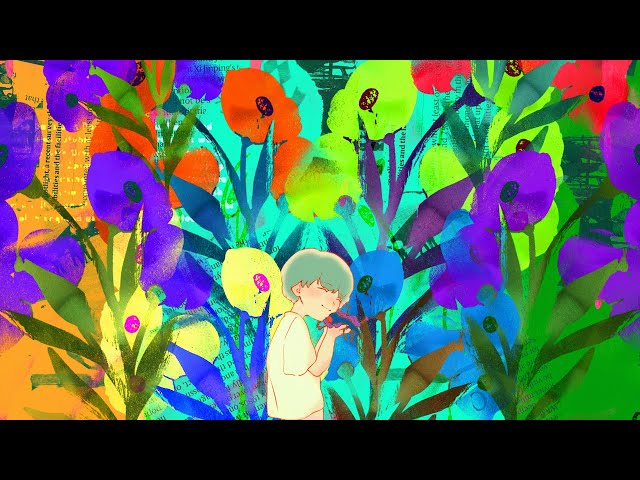
This song was released in 2021 as a digital-only single, and it was used as the theme song for NHK’s “Hirogare! Irotoridori” as well as the October–November 2021 selection on “Minna no Uta.” It’s a mid-tempo track around 100 BPM, easy to keep rhythm with, and you can sing it without overexerting yourself.
The vocal range is also set in a relatively comfortable key compared to other YOASOBI songs.
Since it was featured on NHK, it’s easy for children to sing, making it perfect for parent-child karaoke.
For the A melody, speaking-like delivery matches the mood, so you don’t need to worry too much about precise pitch.
For the chorus, singing lightly while swaying side to side should make it feel great to sing.

Moon-viewing ReverieAile The Shota

Released in October 2025, this work by Aile The Shota is an autumn love song born from his first collaboration with Koichi Tsutaya.
Set against a city bathed in moonlight, it portrays a love so devoted it feels like the self might disappear.
The earnest wish—“If it means being loved by you, I don’t mind changing my shape”—is likened to the way the moon shines only when lit by the sun and to the evening primrose that blooms and withers in a single night.
The calm soundscape woven by piano and strings, along with Aile The Shota’s delicate vocals, are captivating.
It’s a perfect listen for quietly soaking in music on long autumn nights.