

Songs with titles that start with “Tsu.” Introducing famous tracks from the Showa to Reiwa eras!

When you hear “songs with titles that start with ‘tsu,’” which ones come to mind?
It might not be easy to think of any right away, but if you look at words that start with “tsu” like “tsuki” (moon), “tsubasa” (wings), “tsuyoi” (strong), or “tsumi” (sin), chances are you’ll think, “Ah, that song!”
In this article, we’ll introduce a bunch of songs whose titles start with “tsu.”
Use it as a reference for shiritori with song-title restrictions, or as hints for karaoke shiritori where you connect songs by the last letter of the previous one.
- A Compilation of Vocaloid Songs Whose Titles Start with 'Tsu'
- Songs with titles that start with “Chi.” Useful as hints for word-chain games!
- Songs with titles that start with “te.” Perfect for shiritori karaoke or song-title shiritori!
- A roundup of songs with titles starting with “zu” (rare!)
- Winter songs in 90s J-pop: a roundup of popular winter tunes
- Introducing popular J-pop songs that start with “Ta”!
- [Winter Songs] The Best Classic and Popular Winter Tunes to Listen to in Winter
- Songs with titles that start with 'yu'
- Songs with titles starting with “To.” A selection from popular tracks across generations!
- [Easy to Sing] Recommended Winter Songs for Karaoke: A Collection of Classic Winter Hits
- A roundup of songs that start with “U.” Perfect for shiritori or picking tracks at karaoke!
- A compilation of Vocaloid songs with titles that start with “To”
- A roundup of songs whose titles start with 'Zu.' Handy for karaoke.
Songs with titles starting with “Tsu.” Introducing masterpieces from the Showa to Reiwa eras! (401–410)
Moon Silver CoinTougou Akiko
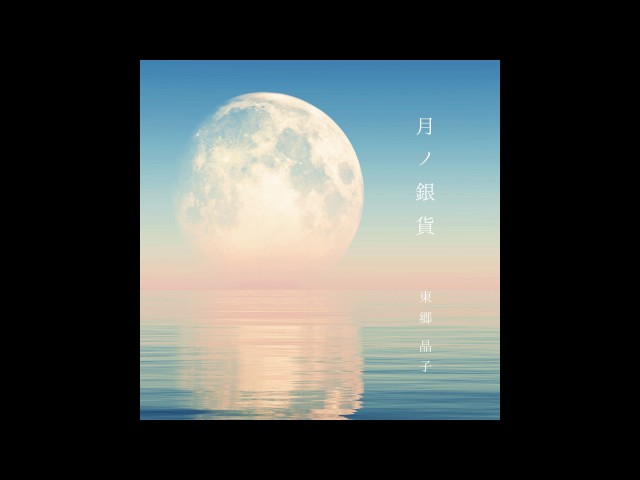
Where there are meetings, there are farewells…
This is a heart-wrenching ballad that sets you reflecting on the fleeting nature of love.
It’s a song by Akiko Togo, a singer-songwriter from Kagoshima Prefecture, released in 2016 as her debut single.
The piece draws you in with the beautiful tones of piano and strings, perfectly matched by Togo’s clear, translucent vocals that resonate deeply.
It’s both sorrowful and, curiously, soothing—a work you’ll want to sink into and listen to at a leisurely pace.

bravadoMatsushita Kohei

Kohei Matsushita—well known from the morning drama series Scarlet, various musicals, and even the Gochi ni Nari-masu! segment on the variety show Guruguru Ninety-Nine—made his debut as a musician with this major-label single in 2021.
Produced by the master of Japanese R&B, Kiyoshi Matsuo, who has worked with artists like CHEMISTRY and EXILE, the song portrays the aching heart of a man facing a breakup.
Its lyrics are easy for men to relate to, capturing the sting of regrets—like pretending not to notice, or looking away because you can’t face your partner’s feelings even though you sense them.
Those depictions really hit home.
The melancholic, kayōkyoku-like atmosphere also matches the mature world view that Matsushita exudes, making the song all the more moving.

Like a swallowMatsutōya Yumi

People often say that the deceased become stars, but Yumi Matsutoya wrote that they become swallows.
The words that could be taken as ironic—“Those who have passed don’t grow older, while I keep aging…”—don’t sound that way because there is love there.
A song that sounds dry and cool even though someone has died, holding grief tightly in check.
A hop, skip, and a jump to the moonMatsutōya Yumi

Released on November 2, 2016, “A Hop to the Moon,” the seventh track on Yumi Matsutoya’s 38th album, Uchu Toshokan (The Universe Library), feels just like a moonlit musical! The sound puts you in a pleasant mood, Yuming’s evocative vocals overflow with atmosphere, and you’ll want to blissfully lose yourself in the music.
It’s a light, zero-gravity song!
wingsMatsumoto Tetsuya

Singer-songwriter Tetsuya Matsumoto was born in Mizusawa, Iwate Prefecture, and grew up in Ofunato.
In 2006, he was appointed an Iwate Cultural Ambassador by the prefecture and has been engaged in community-rooted activities.
Having endured a harrowing childhood, he first became interested in music when he encountered the acoustic guitar in fifth grade.
He actively participates in volunteer work and in recovery efforts for the Great East Japan Earthquake, which speaks to his genuine character.
The more you learn about his background, the more deeply his gentle voice and lyrics resonate in your heart!

Tsuntsun TsugaruHayashi Asami

As an enka singer from Aomori Prefecture, Asami Hayashi is an artist with a unique charm.
Debuting in 1996, she took the era by storm with songs distinguished by the Tsugaru dialect and a distinctive rhythm.
While grounded in traditional enka and kayōkyoku, her style also incorporates a modern sensibility, which helped her gain acceptance among younger audiences.
She has won numerous music awards and has been active across a wide range of media, including frequent television appearances and stage performances.
In the 2000s, she diversified her musical activities by releasing albums aimed at a more mature female audience.
She is a recommended singer not only for enka fans but also for those seeking new forms of music.
Moon DropsShibasaki Kō (RUI)

This is a song featured in the film “Yomigaeri,” with Kou Shibasaki’s heartrending vocals resonating deeply.
It expresses profound sorrow for a lost love through beautiful words.
Released in January 2003, it ranked within the top 10 on the Oricon charts for seven consecutive weeks.
It became a major hit, with total shipments reaching 900,000 copies.
The lyrics that enhance the film’s moving scenes, together with Shibasaki’s clear, translucent voice, likely captured the hearts of both moviegoers and listeners.
It’s a song that offers comfort to those grieving the loss of a lover or harboring a bittersweet longing for love.