

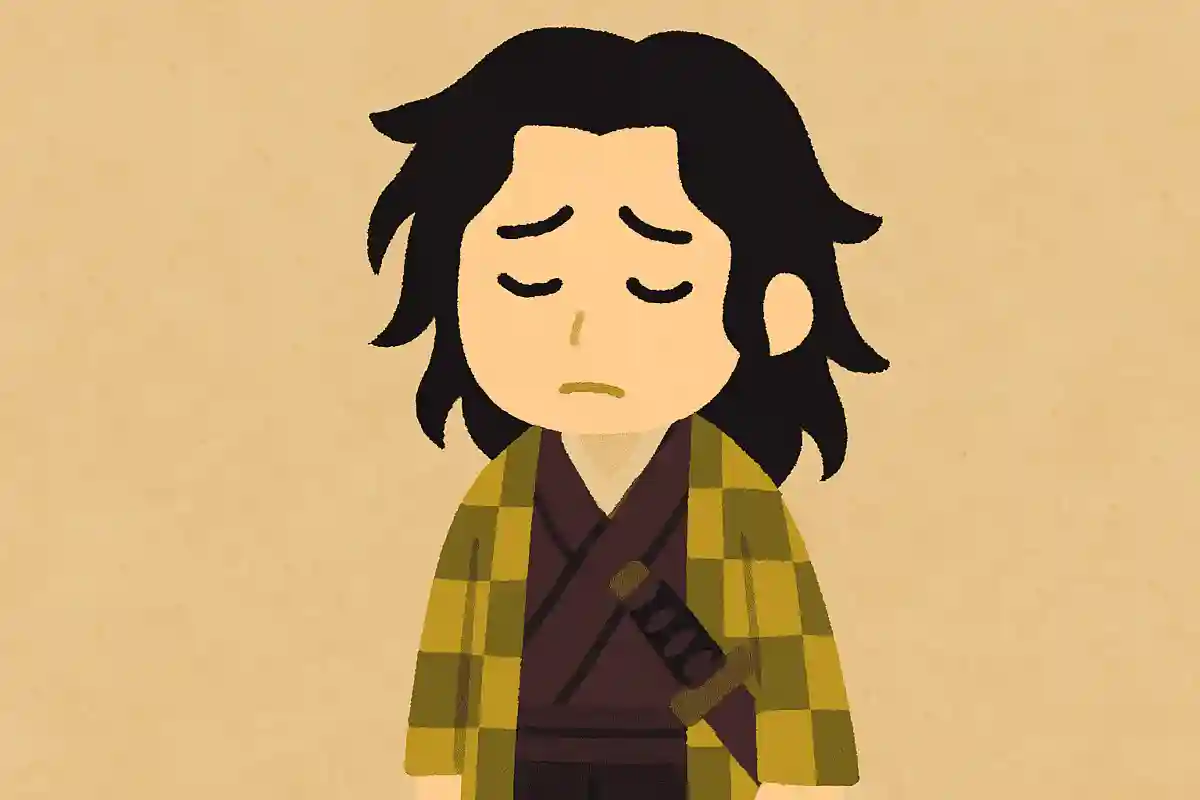
So strong it's tragic... What Kokushibo Yoriichi's famous quotes teach about true strength

Among the characters in Demon Slayer: Kimetsu no Yaiba, Yoriichi Tsugikuni stands out with exceptional popularity.
His words—born from overwhelming strength paired with profound compassion—resonate deeply with readers.
Many of his sayings question how we should live as humans and what it means to be alive, offering fresh insights even for those of us in the modern world.
In this feature, we introduce the unforgettable quotes engraved in Yoriichi Tsugikuni’s heart.
You’re sure to find words that will guide your life’s path.
Too Strong It’s Sad… What Kokushibo Yoriichi’s Quotes Teach About True Strength (1–10)
We should be able to draw the curtain on our lives at any time with peace of mind.Yoriichi Tsugikuni 'Demon Slayer'
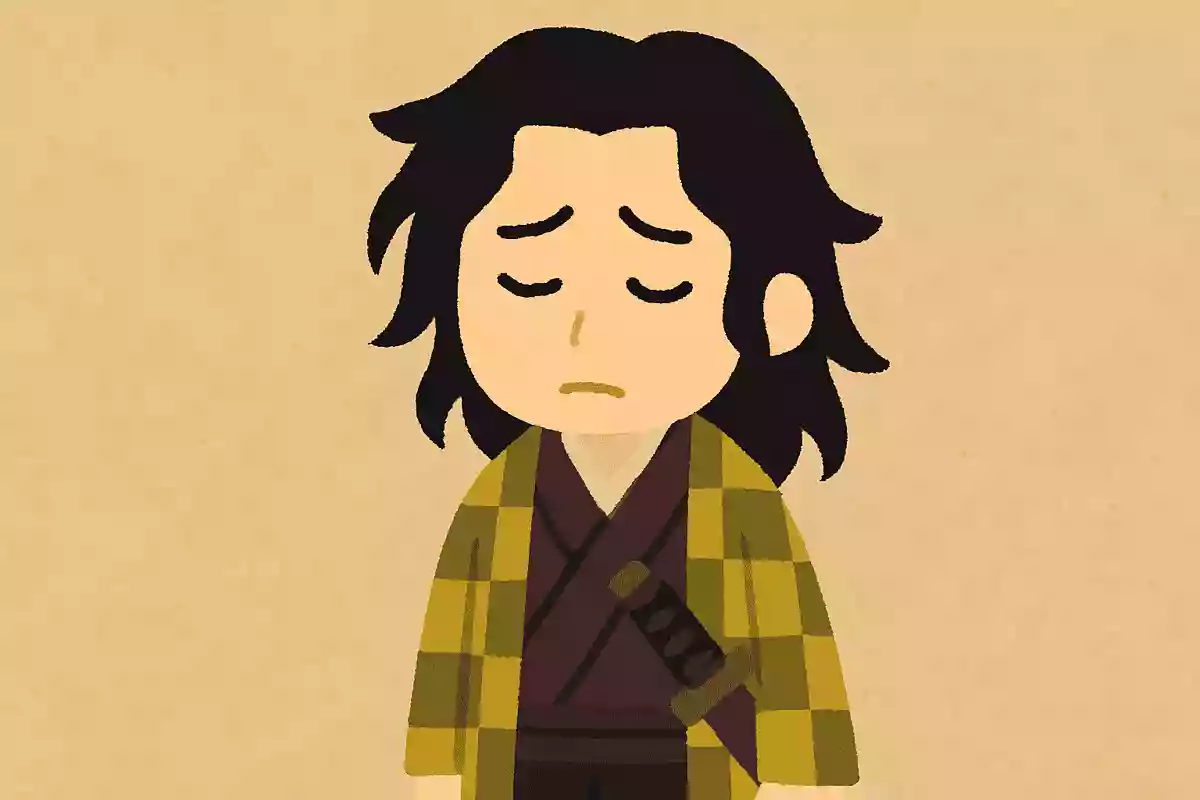
The famous quote “We can bow out of life at any time with peace of mind” continues from “Even now, at this very moment, someone whose talent surpasses ours is letting out their first cry.
They will make their way to the same place again.
There’s nothing to worry about.” It’s a reply to his older brother, Michikatsu Tsugikuni, who says, “What do you intend to do about a successor? There’s no one who matches our strength.” While Michikatsu prides himself on being the strongest, Yoriichi Tsugikuni’s response, seeing a different future, ended up hurting Michikatsu even more.
On one hand, it shows a spirit that never treats himself as special; on the other, it may be a line that carries weight precisely because he is exceptional.
In the end, it’s a quote that makes you feel just how unparalleled Yoriichi truly is.

My dream was to live quietly with my family.Yoriichi Tsugikuni 'Demon Slayer'
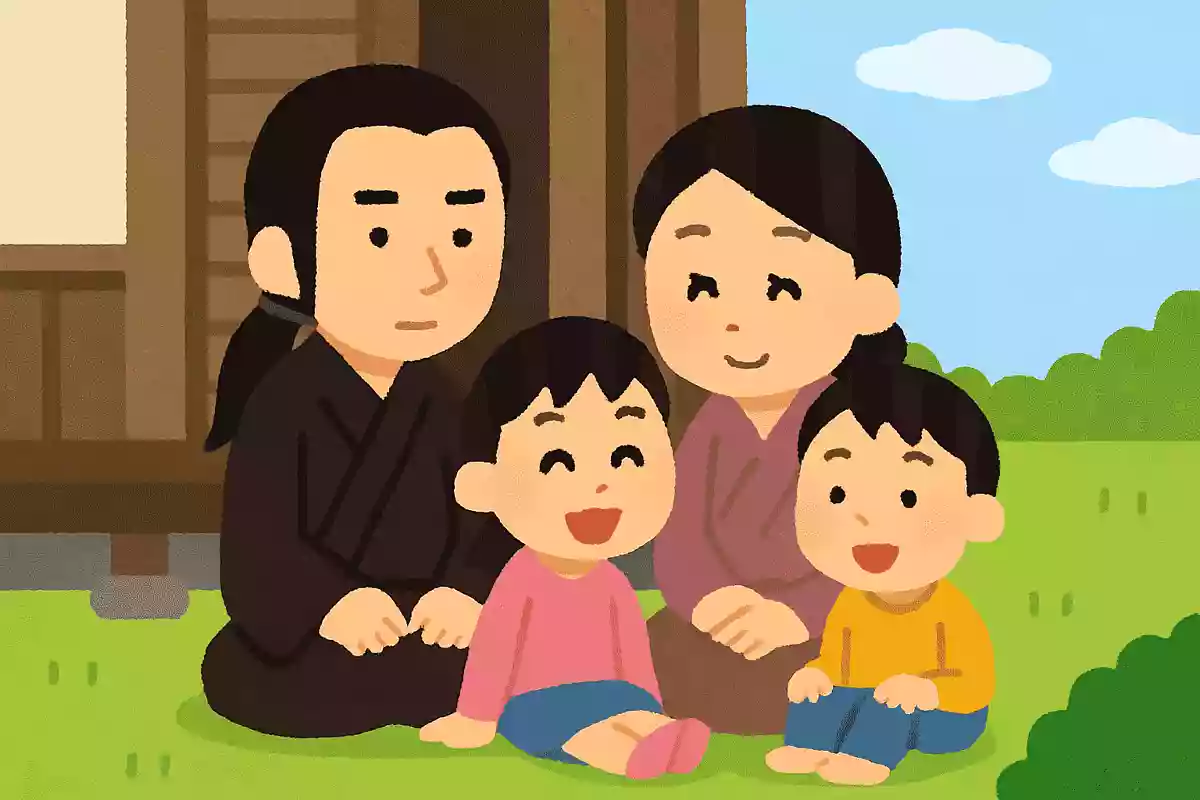
The famous quote, “My dream was to live quietly with my family,” continues: “A small house would be enough.
I want to sleep with our futons laid side by side.
Close enough to see the face of the one I love.
Close enough to reach out and immediately hold hands, to touch.
That would have been enough.” These lines convey the profound sorrow of Yoriichi Tsugikuni, who endured a childhood that could hardly be called happy and then had even the happiness he finally grasped stolen by demons.
If there were no demons, there would be no humans weeping in the same way—this quote seems to express the conviction that supported his lifelong resolve to keep fighting.
Those who have mastered the path always arrive at the same place.Yoriichi Tsugikuni 'Demon Slayer'
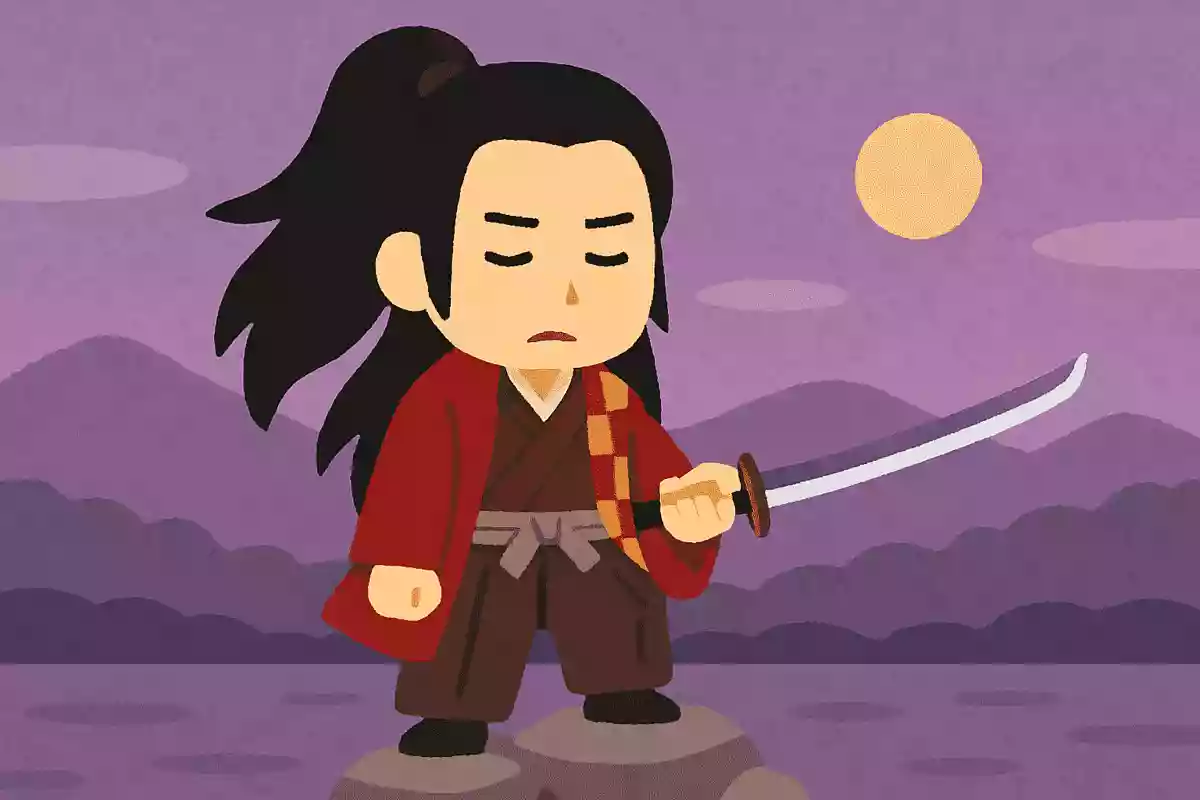
The famous saying, “Those who have mastered the Way always arrive at the same place,” continues: “Even if the times change and the journeys that lead there differ, they will unfailingly reach the same destination.” The message—that no matter one’s current ability, talent, or methods, if the goal is the same, one can arrive—carries a unique persuasiveness precisely because it comes from Yorichi Tsugikuni, who perfected his path.
At the same time, it also implies that even if one disappears, someone will surely appear to carry on their resolve.
It is a quote that reveals a mindset that neither overestimates one’s own power nor loses faith in the future.
What’s fun? What’s so amusing? What do you think a life is?Yoriichi Tsugikuni 'Demon Slayer'
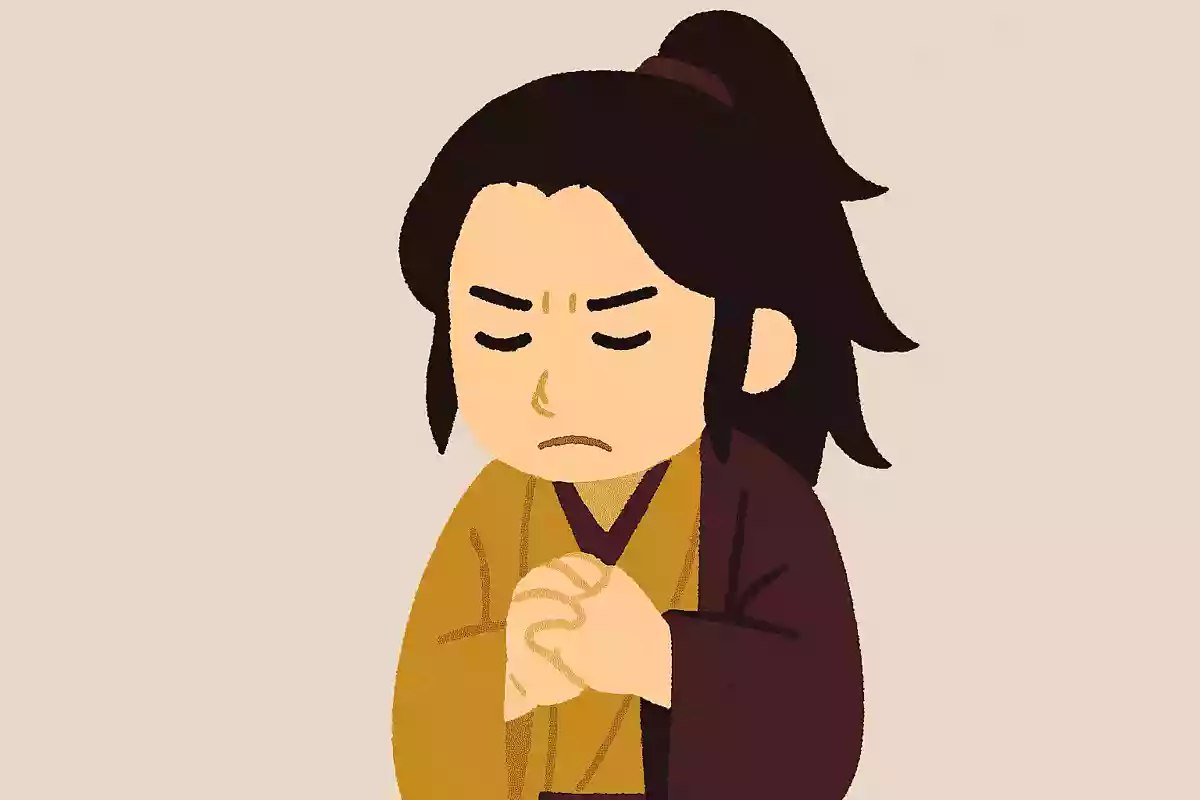
When she cornered Muzan Kibutsuji, the progenitor of demons who cares nothing for the victims born of his own ambitions, she delivered this famous line: “What’s fun about this? What’s so amusing? What do you think a life is?” Unlike demons, a human life, once lost, can never be regained.
These words convey a quiet fury toward those who so easily rob others of it.
In later generations, the protagonist Tanjiro Kamado utters a similar line, suggesting that, no matter the era, the thoughts and actions of demons remain irreconcilable with human values.
I think just being born into this world is happiness.Yoriichi Tsugikuni 'Demon Slayer'
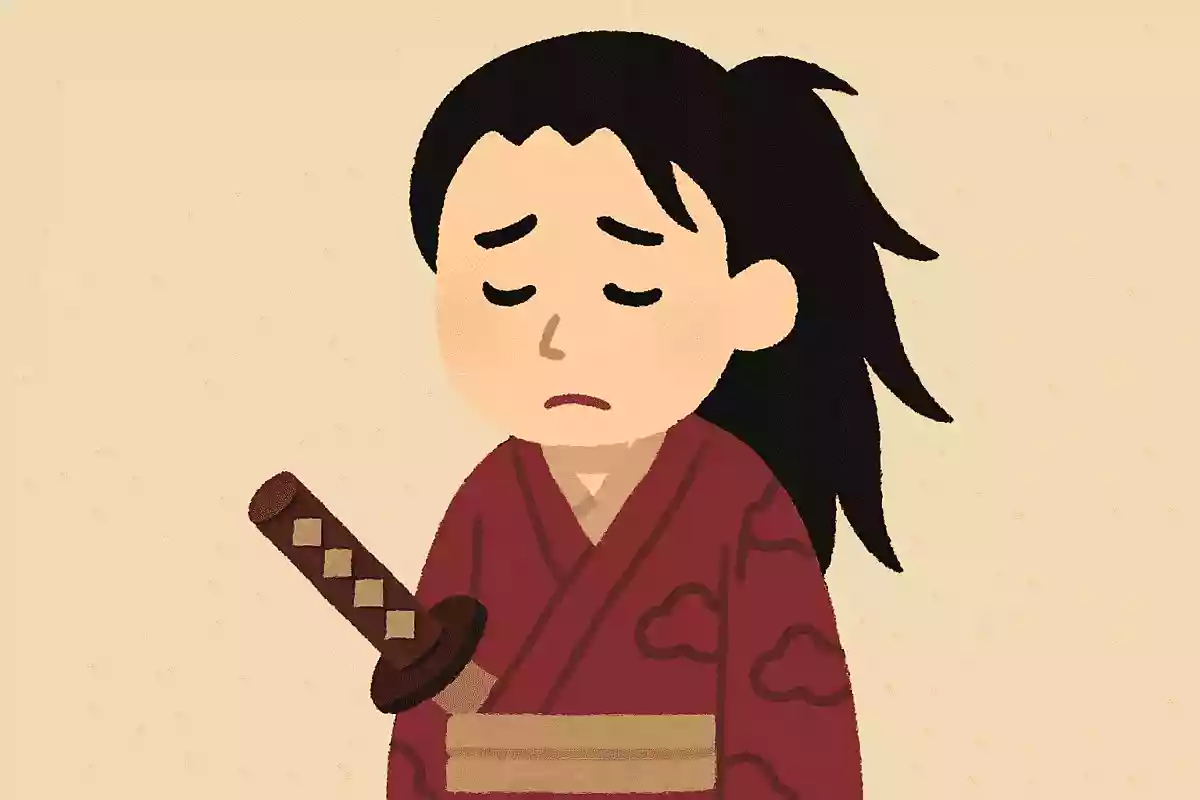
The quote “Just being born into this world is happiness,” carries especially heavy meaning precisely because Yoriichi Tsugikuni was born as someone shunned.
Because the child who should have been born was killed by a demon, and even the small happiness he longed for was stolen, perhaps that’s why he can feel that merely being born is a blessing.
Life holds pain and sorrow, but this message seems to tell us that as long as we keep living, there will be times when we are rewarded.
Even something I value more than my own life can be easily trampled on by others.Yoriichi Tsugikuni 'Demon Slayer'
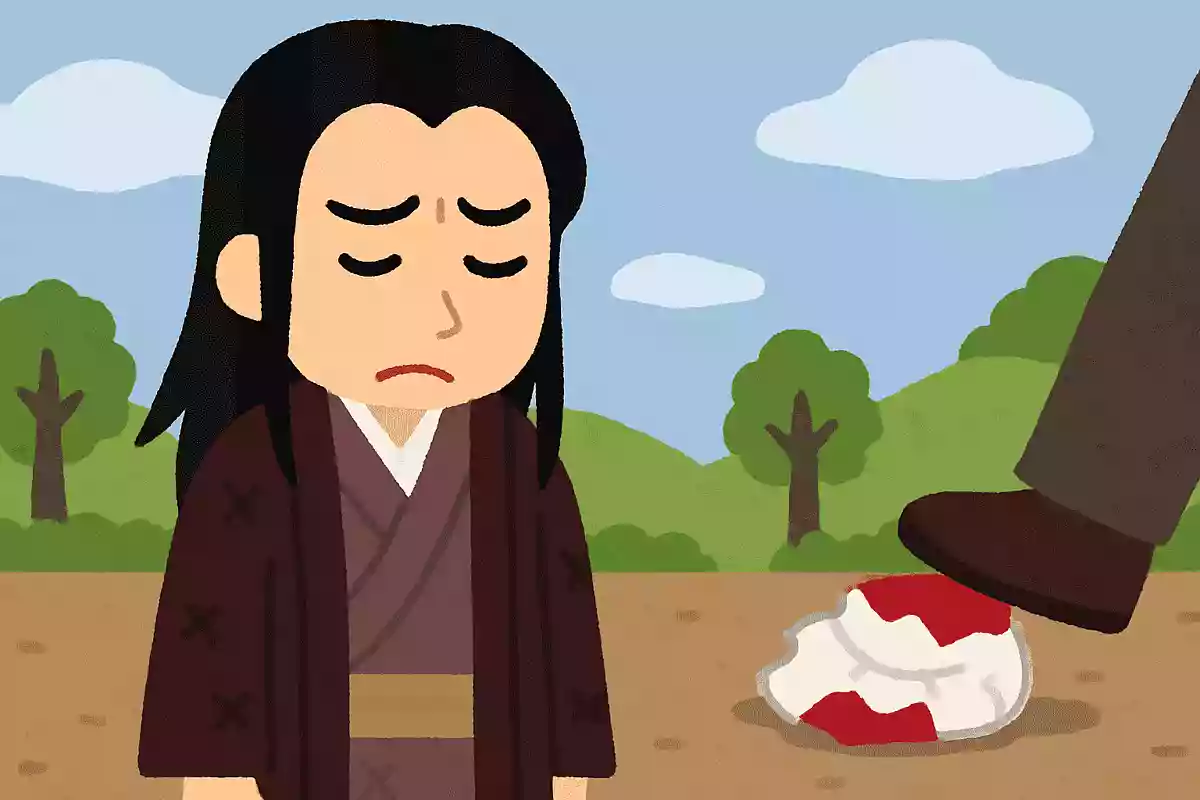
The quote by Yoriichi Tsugikuni, who had his wife and their unborn child brutally murdered by demons—“Even what I hold dearer than my own life, others can trample on with ease.”—seems to carry both anger and sorrow for him, a man who fled after his mother’s death and had the sanctuary he finally found taken away.
In the work, it symbolizes the difference in values between humans and demons, but even among humans, war may be similar in that people kill enemies for the sake of their own justice.
It’s a line that can prompt us to consider whether our own values might be driving someone else into a corner.
My condolences, elder brother. I come (to you).Yoriichi Tsugikuni 'Demon Slayer'
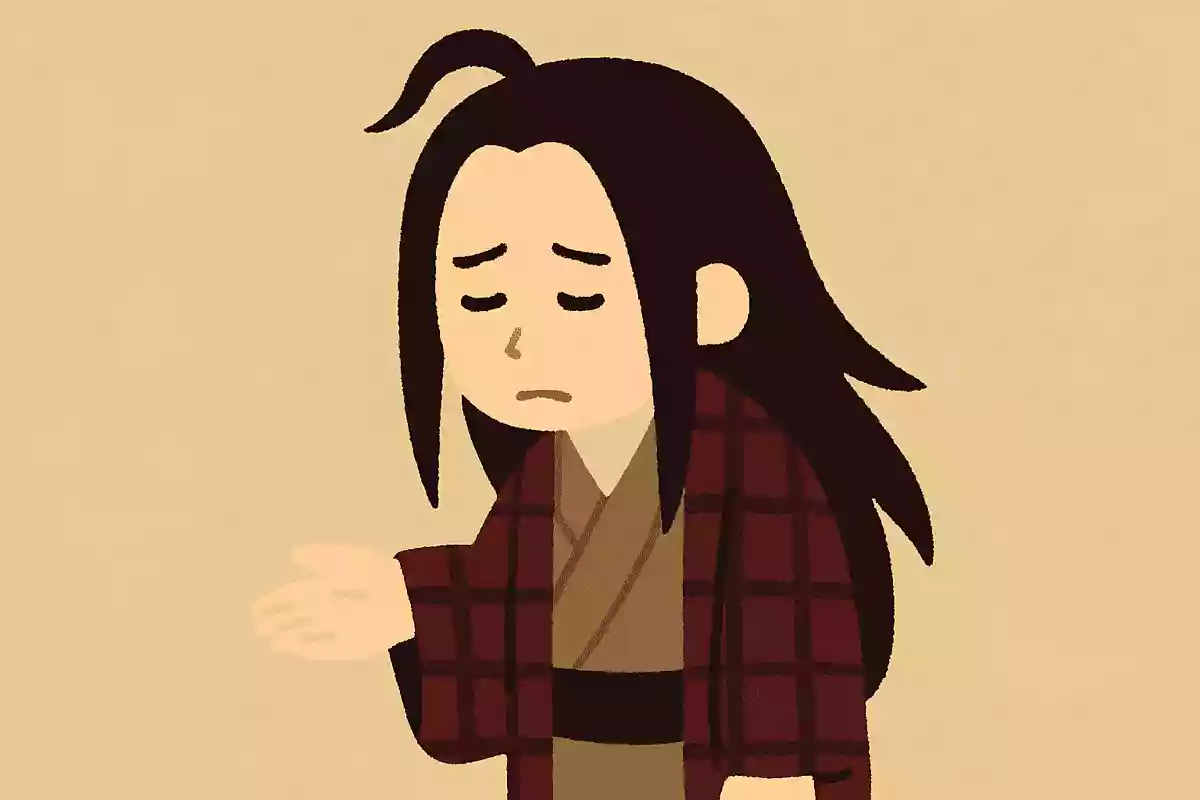
To his brother Kokushibo, who had become Upper Rank One, Yoriichi Tsugikuni uttered the famous line: “How pitiful, Brother.
I am coming.” It conveys his resolve to cut down with his own hands the brother who betrayed his comrades and became a demon in pursuit of mastery.
As a demon slayer and as a younger brother—well past the age of eighty—his attempt to stop his brother moved many.
Though they chose different paths, this quote brims with Yoriichi’s deep love for his brother, expressing the bonds and connection that remained between them.