

A multiple-choice quiz with three options for upper elementary students. Fun questions that build thinking skills.

“I want to strengthen my thinking skills.” “I want to play a quiz that will get friends and family excited.” In times like these, multiple-choice quizzes are perfect! In this article, we introduce a wide variety of three-option quizzes for upper elementary students—from questions that deepen knowledge to fun trivia that will make you say, “Wow!” All of them are easy to use during school breaks, at home, or at small get-togethers.
If you take turns asking questions with friends or tackle them together with family, the conversation will flow and you’ll have a great time.
So, how many can you get right?
- A multiple-choice quiz with three options for upper elementary students. Questions you can enjoy between classes or at home.
- [Play Right Away!] Multiple-Choice Quiz Questions for Lower-Grade Elementary School Students
- [For Elementary School Students] 3-Choice Quiz to Deepen Knowledge of Living Things
- For upper elementary school students! A lively and educational true-or-false quiz
- [For Elementary School Kids] A New Year’s Quiz Everyone Can Enjoy! Learn surprising fun facts with multiple-choice questions
- Recommended for upper grades! A fun, educational quiz for elementary school students
- How many can you get right? A tricky 3-choice trivia quiz you'll want to tell someone about
- [For Elementary School Students] A Three-Choice Dinosaur Quiz to Learn Trivia and Knowledge
- Become a trivia master with a multiple-choice quiz for elementary schoolers! A fun problem collection that captivates both kids and adults
- Fun quizzes for elementary school kids: a collection of questions everyone can enjoy together
- [Knowledge Expander!] A Three-Choice Quiz about Fish for Elementary School Students
- Let's get excited with a two-choice quiz that everyone—from kids to adults—can enjoy!
- Riddles for Upper Elementary Kids: A Fun Collection That Adults Can Enjoy Too
Multiple-choice quiz for upper elementary students: Fun questions that build thinking skills (1–10)
What color were blackboards in the past?
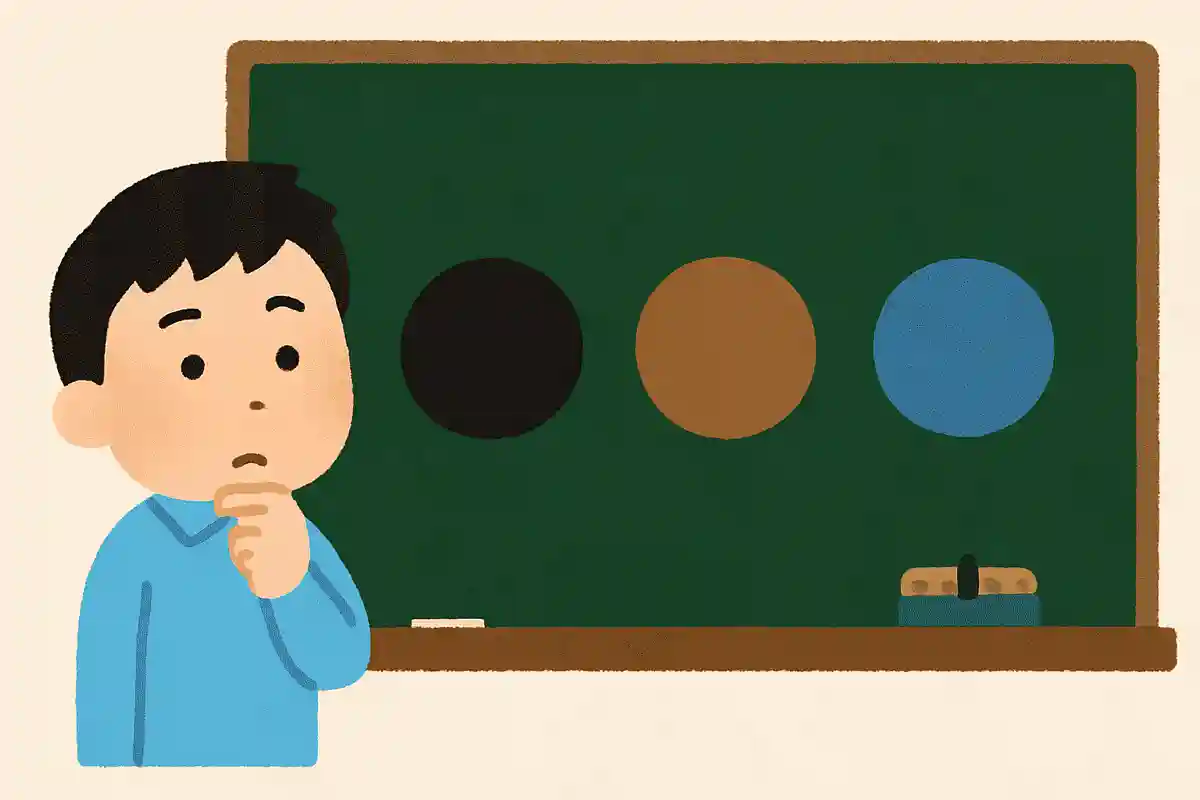
- black
- white
- green
See the answer
black
When we think of blackboards, we often picture them as green nowadays, but they used to be black. It’s said that black was the standard because blackboards were originally made from black stones like slate. Chalk for blackboards is typically white, and white writing was easiest to see on a black surface, so black was the norm at the time. However, green blackboards came to be widely used because they’re gentler on the eyes and easier to see during class. You can still sense a trace of their former color in the name “blackboard.”

How many kilometers is a full marathon?
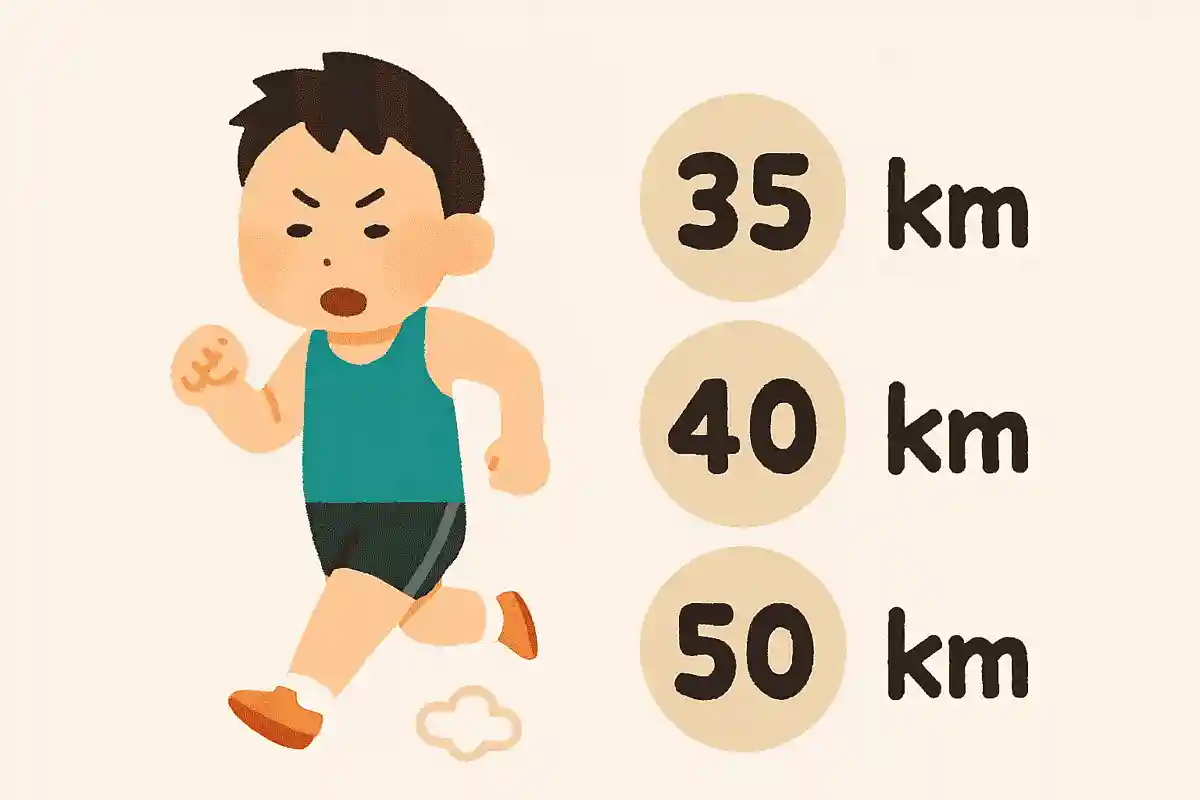
- 42.195km
- 88.52km
- 100km
See the answer
42.195km
The marathon originally derives from a Greek soldier who supposedly ran from Marathon to Athens to report victory, and it used to be run under a rule of about 40 km. However, starting with the 1908 London Olympics, the official distance was set at 42.195 km. It seems that this decision was influenced by a request from Queen Alexandra of the United Kingdom.

What is the sex of the mosquitoes that suck human blood?
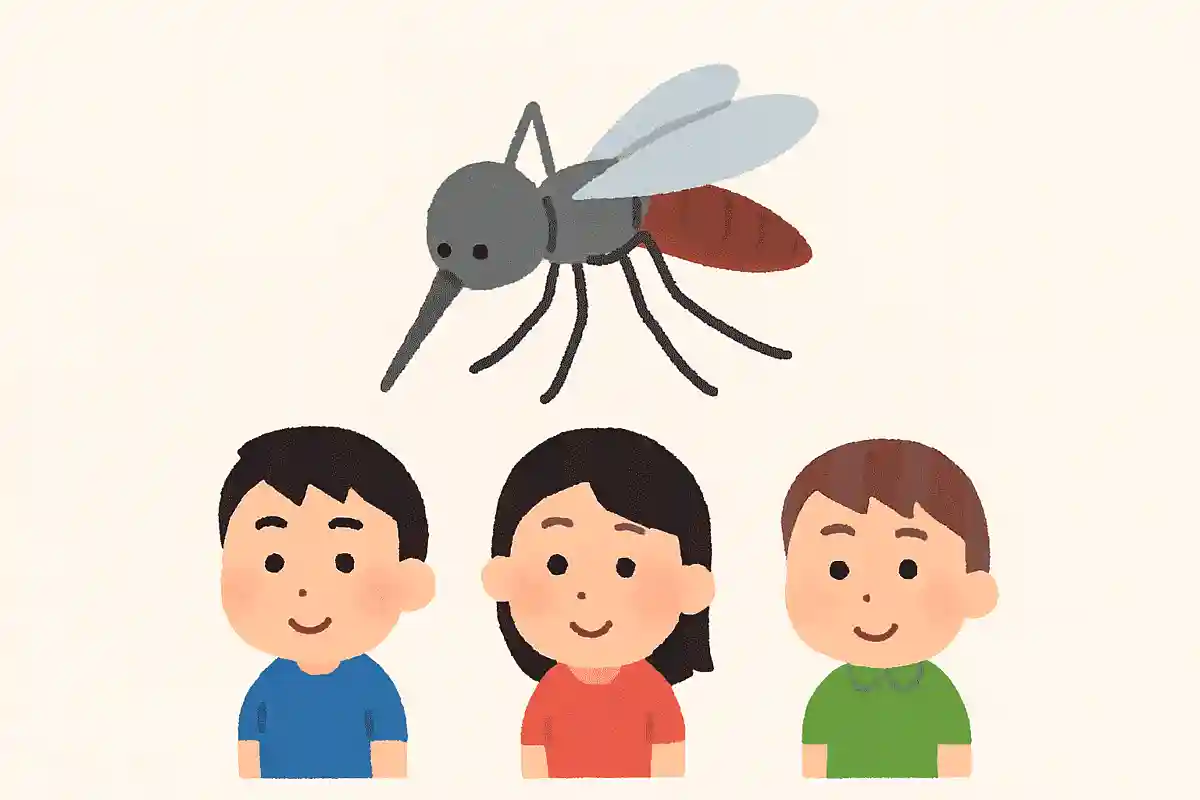
- male
- female
- both
See the answer
female
Among mosquitoes, only the females need blood. Females obtain the nutrients required for egg laying from the blood of animals. Therefore, males, which do not lay eggs, have no need to suck blood. Also, females usually feed on nectar and plant juices just like males do.
Multiple-choice quiz for upper elementary students: Fun questions that build thinking skills (11–20)
What group does the king crab belong to?
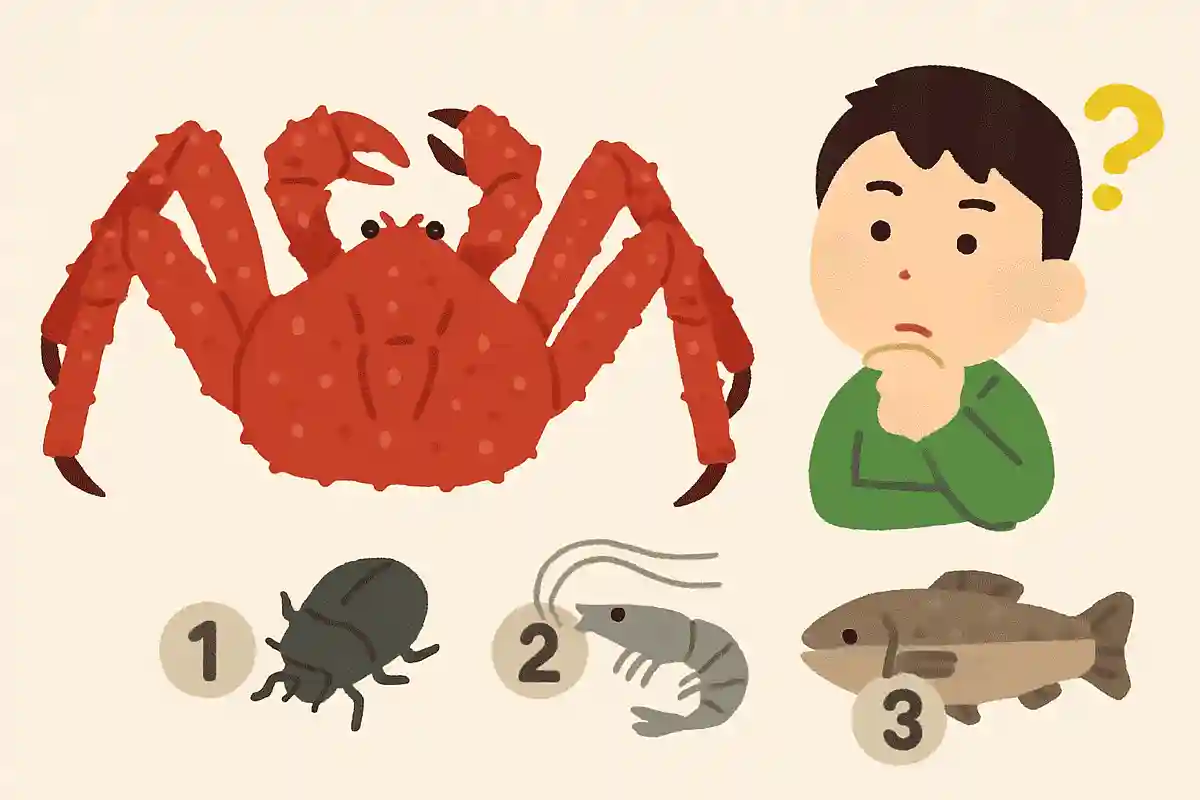
- crab
- hermit crab
- Scorpion
See the answer
hermit crab
The king crab is a quintessential taste of winter. If you ask what kind of creature a king crab is, most people would say it’s a crab. But in fact, it’s related to hermit crabs. Although it closely resembles crabs in appearance, unlike true crabs, two of its legs are tucked inside the carapace, so at a glance you only see eight legs. Also, unlike crabs, king crabs can move vertically.
Where were LEGO bricks born?
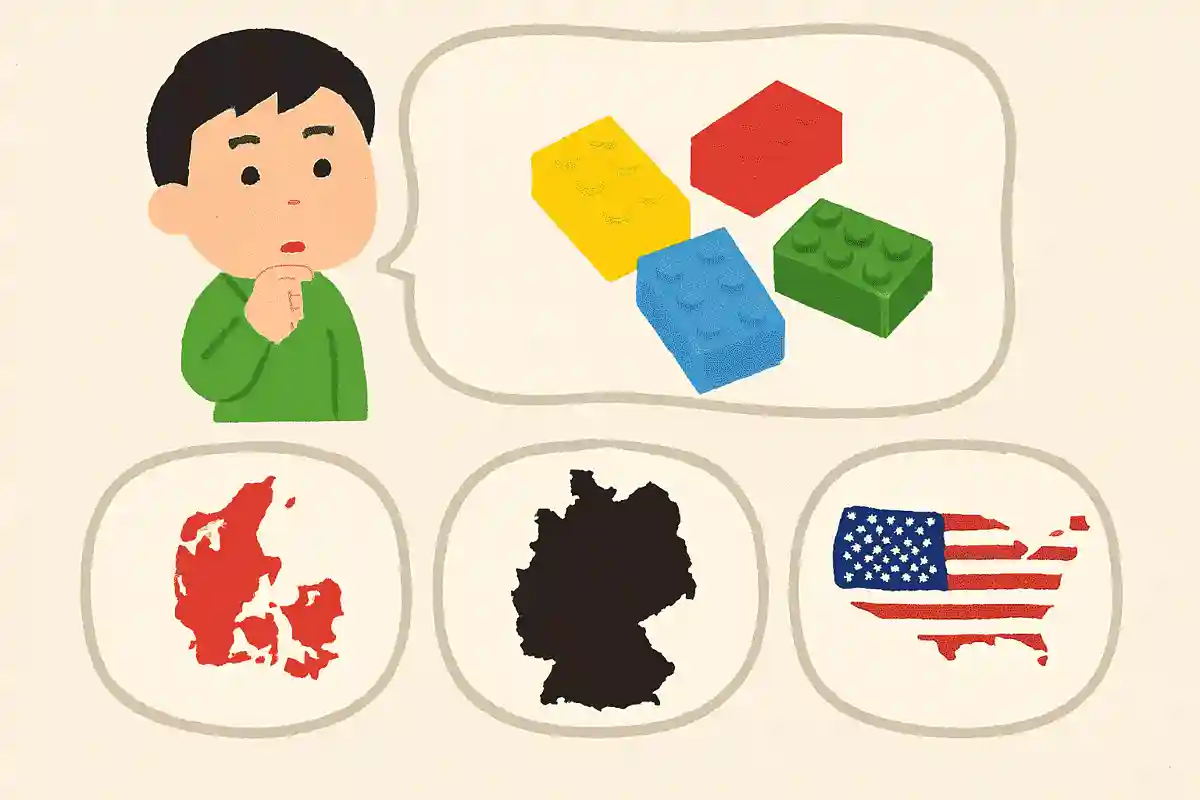
- France
- Italy
- Denmark
See the answer
Denmark
LEGO is a Danish toy company founded in 1932. The founder is Ole Kirk Christiansen. I think everyone has seen the toys known as LEGO bricks at least once. Collaborative products with films and games—such as the Star Wars series and Minecraft—are also very popular.
Why are flamingos pink?
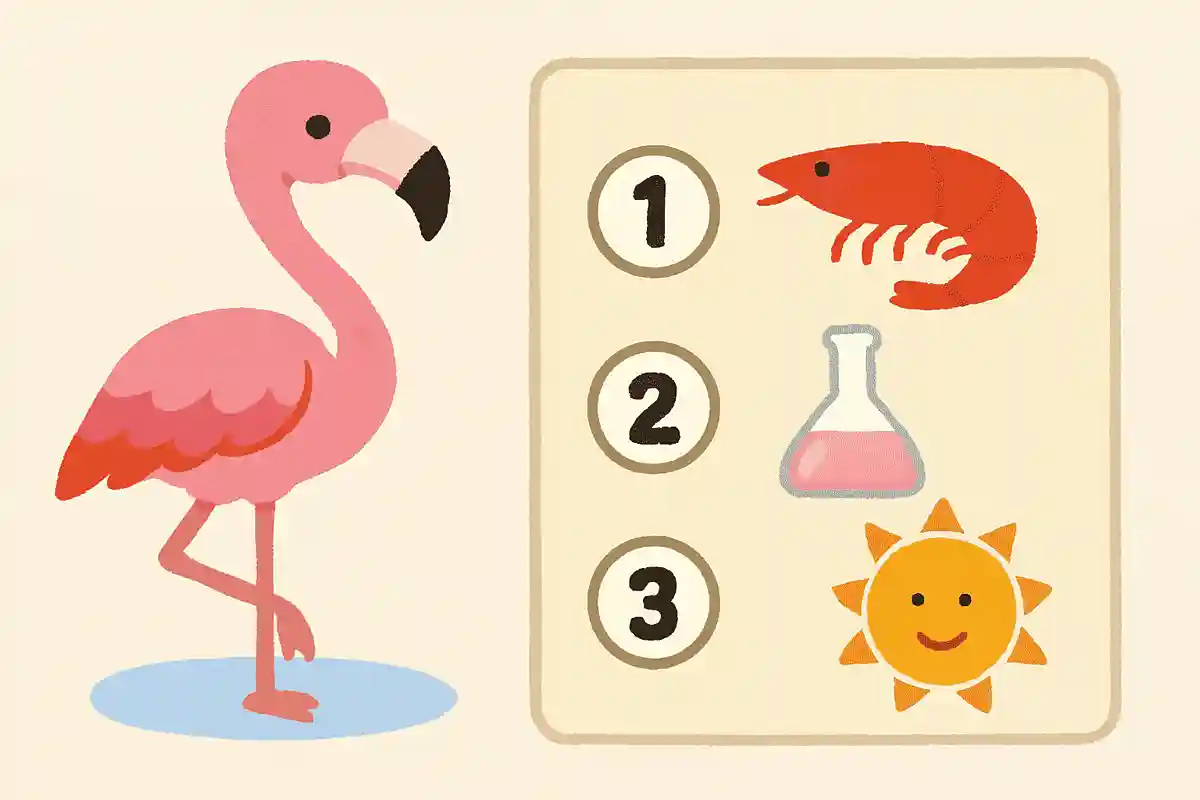
- Effect of meals
- suntan
- colored
See the answer
Effect of meals
Flamingos are pink mainly because of what they eat. They consume foods rich in pigments, such as shrimp and plankton. These foods contain carotenoids—red and orange pigments—which, when absorbed into the body, cause their feathers and bodies to turn pink.
Which of these animals can lose their tails?
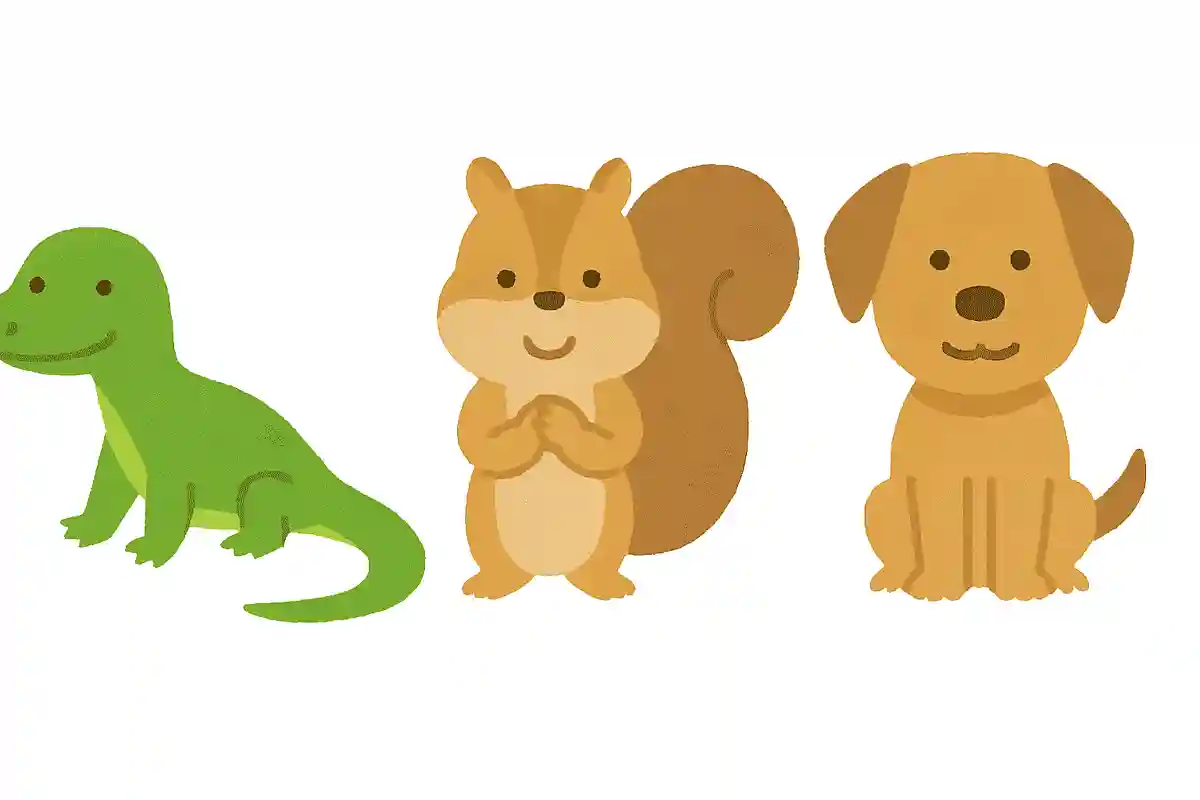
- mouse
- hamster
- squirrel
See the answer
squirrel
Did you know a squirrel’s tail can come off? When a squirrel feels threatened—like when something bites its tail—it may escape by leaving the tail behind. It’s not that they voluntarily sever it; the tail is naturally prone to detaching. This is especially common in chipmunks.