

A multiple-choice quiz with three options for upper elementary students. Questions you can enjoy between classes or at home.

For those of you who think, “Isn’t there something fun we can do?” during breaks between classes, school events, or family gatherings—multiple-choice quizzes are sure to liven things up in no time! For upper elementary school kids, questions that make you think a little or surprising trivia are especially recommended.
In this article, we’ll introduce a wide variety of three-choice quiz questions on familiar topics and more.
Compete with friends, check answers together with family—there are lots of ways to enjoy them! Be sure to give them a try and have fun with everyone.
Multiple-choice quiz with three options for upper elementary students. Fun questions to enjoy between classes or at home (1–10)
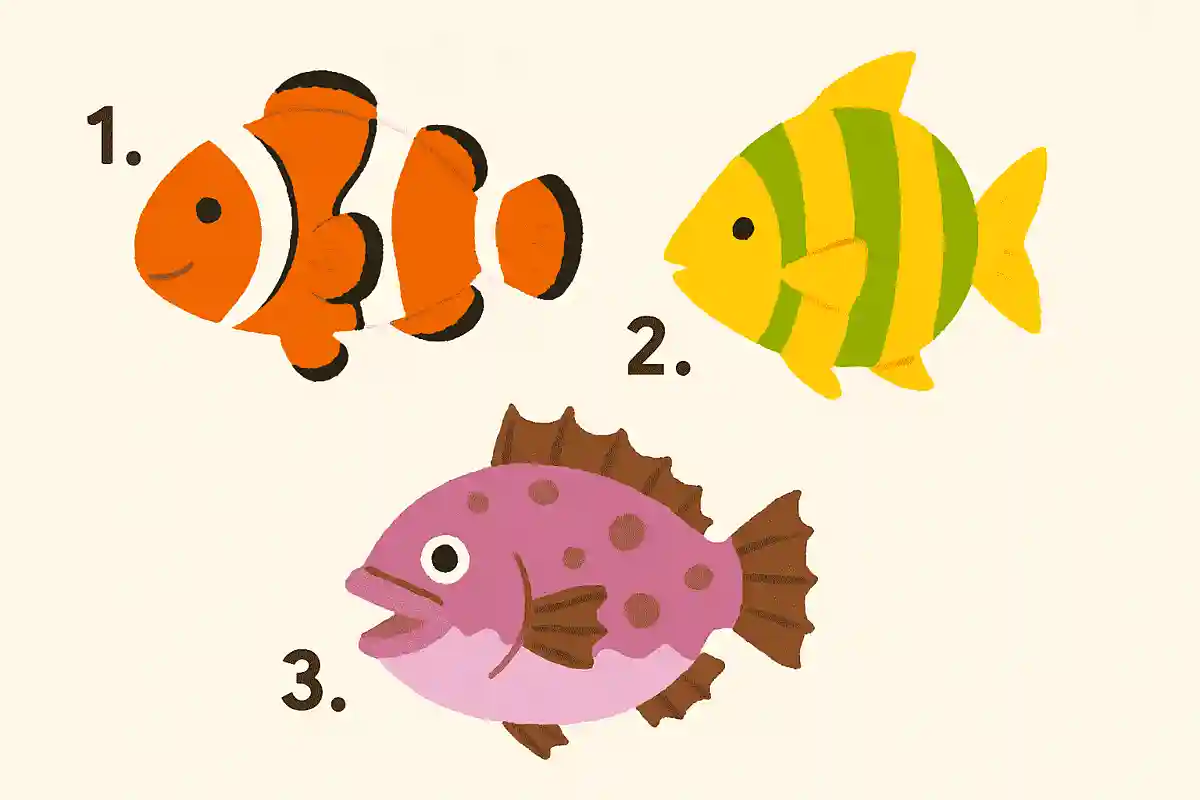
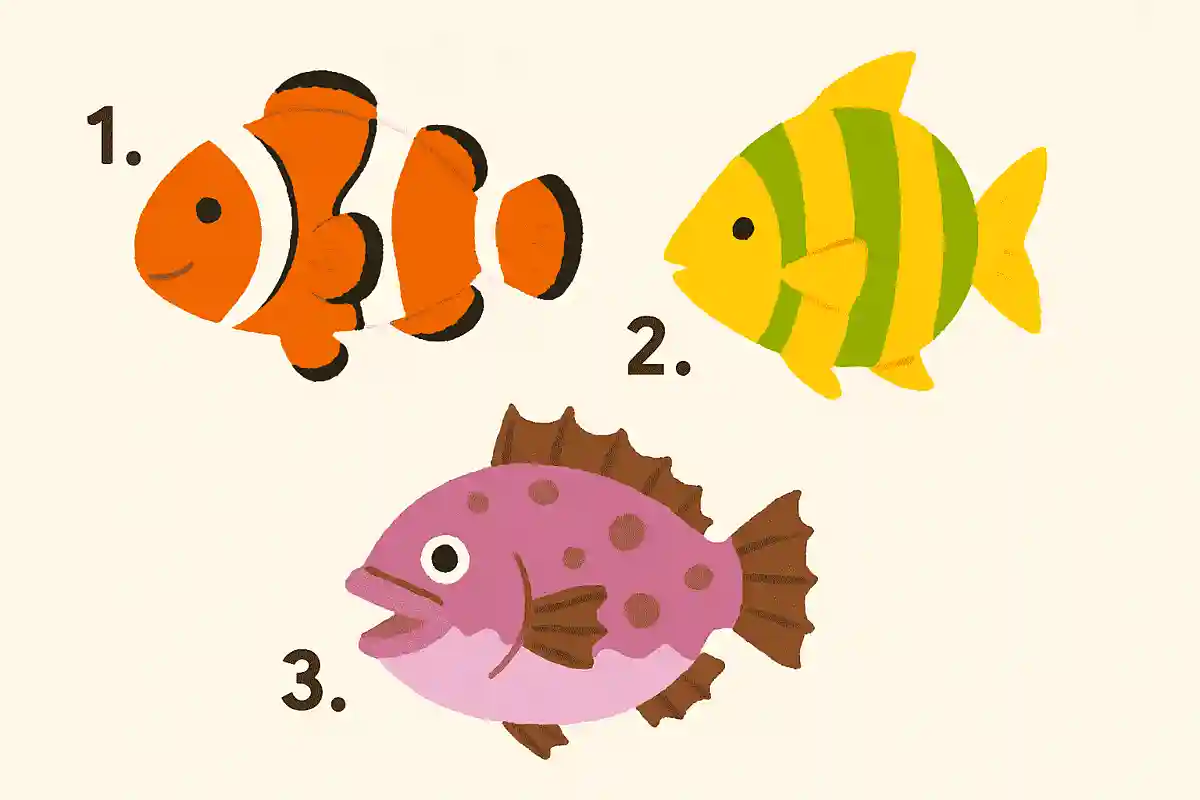
Which of these is an actual fish?
- uncle
- older brother
- father
See the answer
uncle
A fish called “ojisan” actually inhabits Japanese waters and elsewhere. This fish is characterized by a slightly reddish body and something like whiskers. The name “ojisan” (meaning “middle-aged man” or “uncle”) comes from these whiskers, which make it look like an older man. It’s also known as ojisan among anglers and in markets, and it’s popular as an edible fish.

Who eats the school lunch before the children at school?

- principal
- School nurse
- homeroom teacher
See the answer
principal
Before the students eat their school lunches, the principal tastes the meal earlier than the other teachers and students to check its safety. This is called a “kenshoku” (test tasting), a vital role in which the principal personally samples the meal to confirm there are no issues such as allergies or foreign objects. So that children can eat their school lunches with peace of mind every day, the principal quietly protects the safety of the meals.
What is the longest river in Japan?
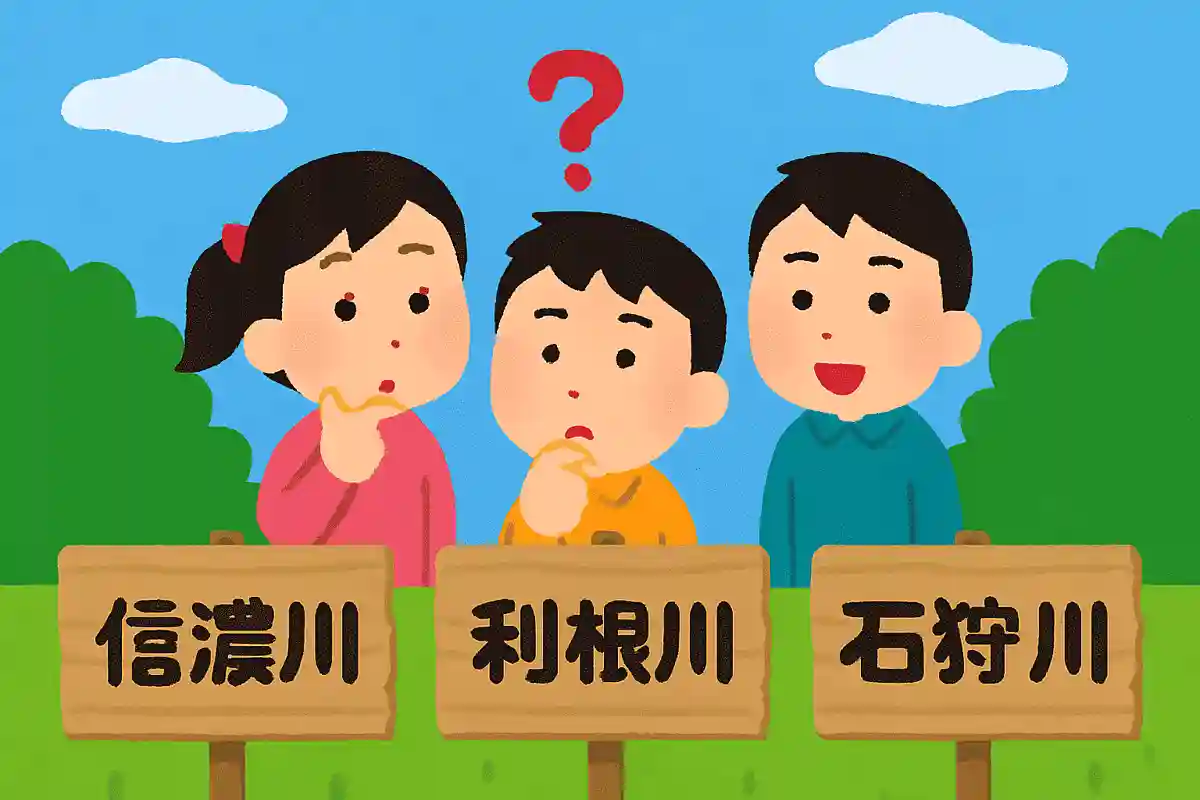
- Kinugawa
- Mogami River
- Shinano River
See the answer
Shinano River
The longest river in Japan is the Shinano River. The Shinano River flows through Niigata and Nagano Prefectures and is as long as 367 kilometers. It is called “Shinano River” in Niigata and “Chikuma River” in Nagano, and this change in name depending on the region is one of its characteristics. The Shinano River stores a large amount of water and plays a very important role in local agriculture and daily life.
What does the red circle on the Japanese flag represent?
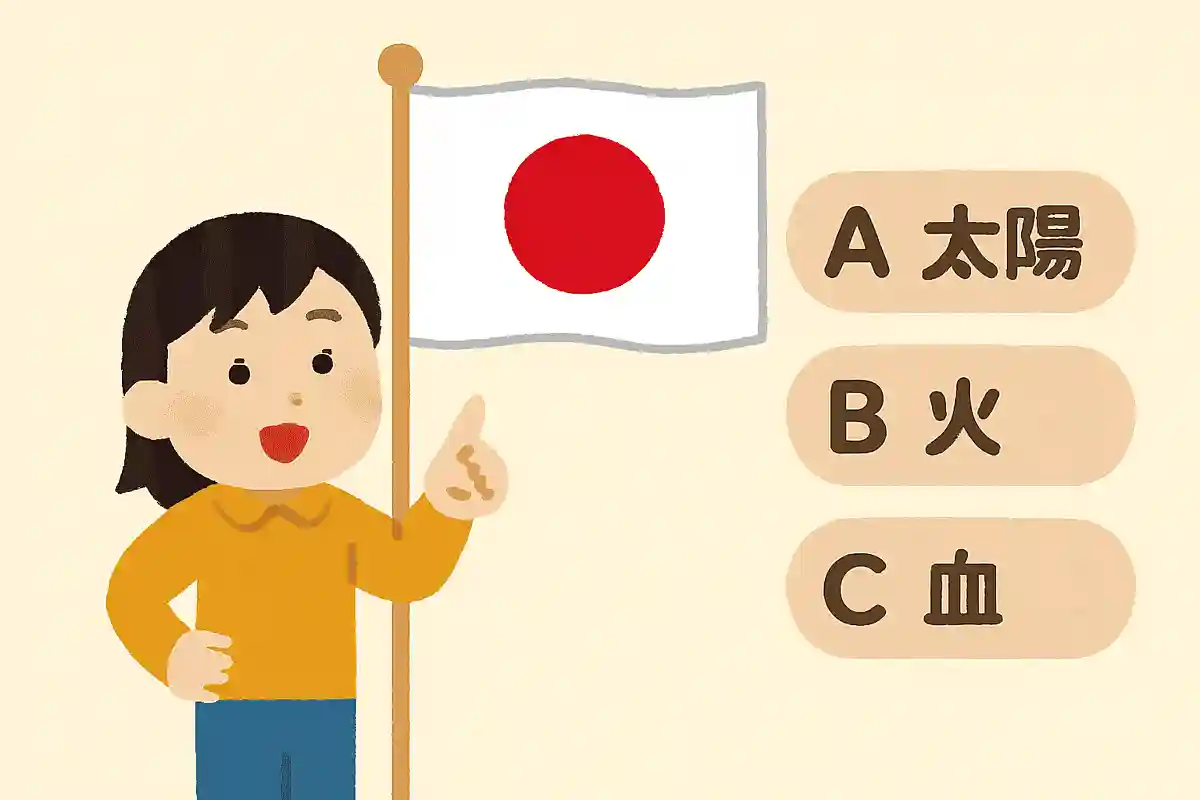
- Sun
- pickled plum
- flame
See the answer
Sun
The Japanese national flag is also called the Nisshoki, and the red circle in the center symbolizes the sun. As Japan has long been known as the “land of the rising sun,” the sun has been held in great esteem. It is a symbol of life, hope, and a bright future, and it is deeply connected to Japan’s nature and culture.
Where do horses breathe?
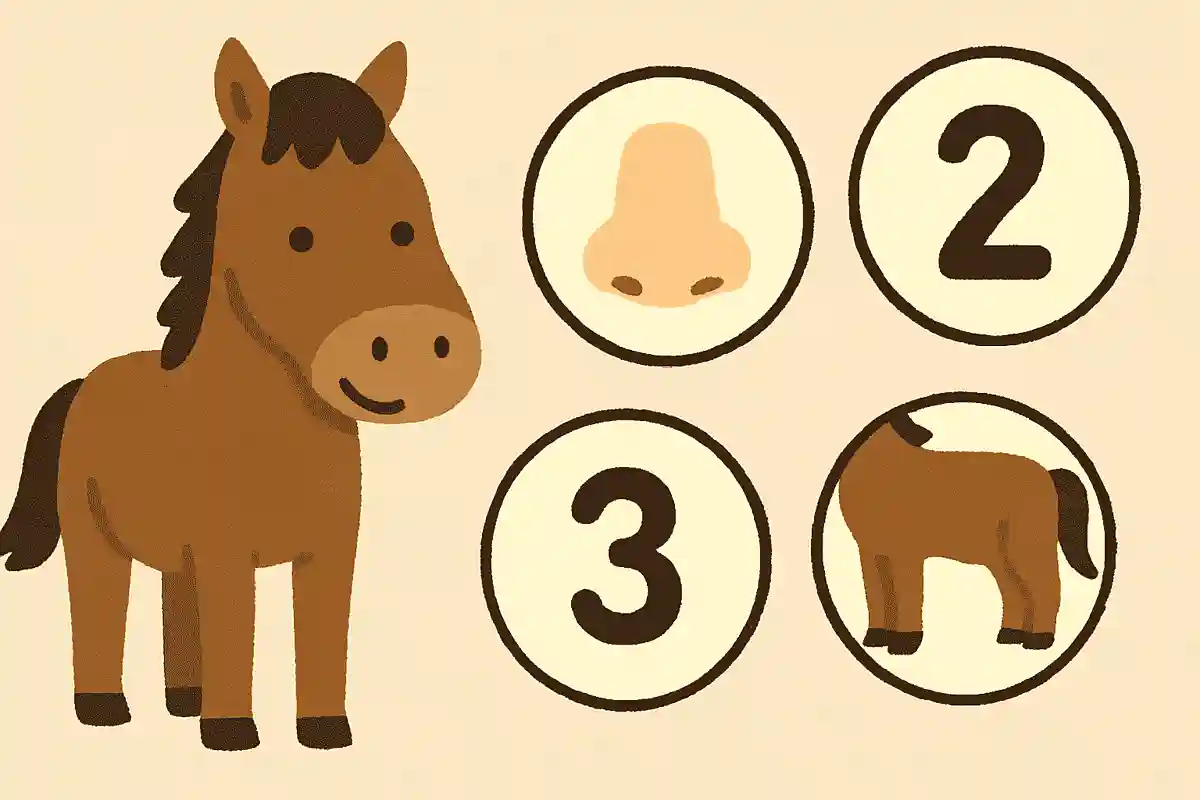
- mouth
- nose
- gills
See the answer
nose
Horses are animals that breathe through their noses. Unlike humans, they cannot breathe through their mouths and basically breathe only through their noses. Even when running very hard, they take in air only through their noses, so it’s said that if their noses become blocked, they can’t breathe.
What color is a hippo’s sweat?
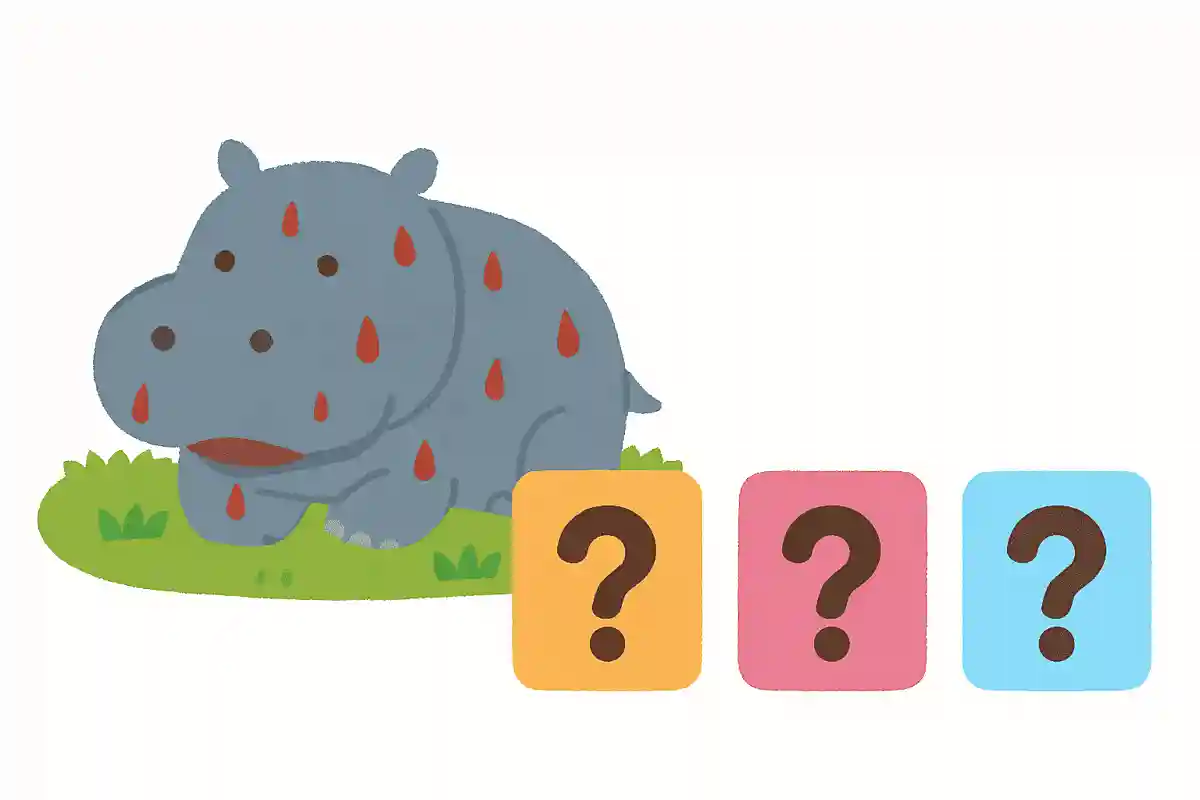
- transparent
- red
- white
See the answer
red
A hippo’s sweat is very unusual and red in color. This red sweat is also called “blood sweat,” but it doesn’t actually contain blood. Hippos live under strong sunlight, and this fluid acts as a sunscreen and has antibacterial properties, so it plays an important role in helping hippos stay healthy.
Which of these animals is not in the Chinese zodiac?
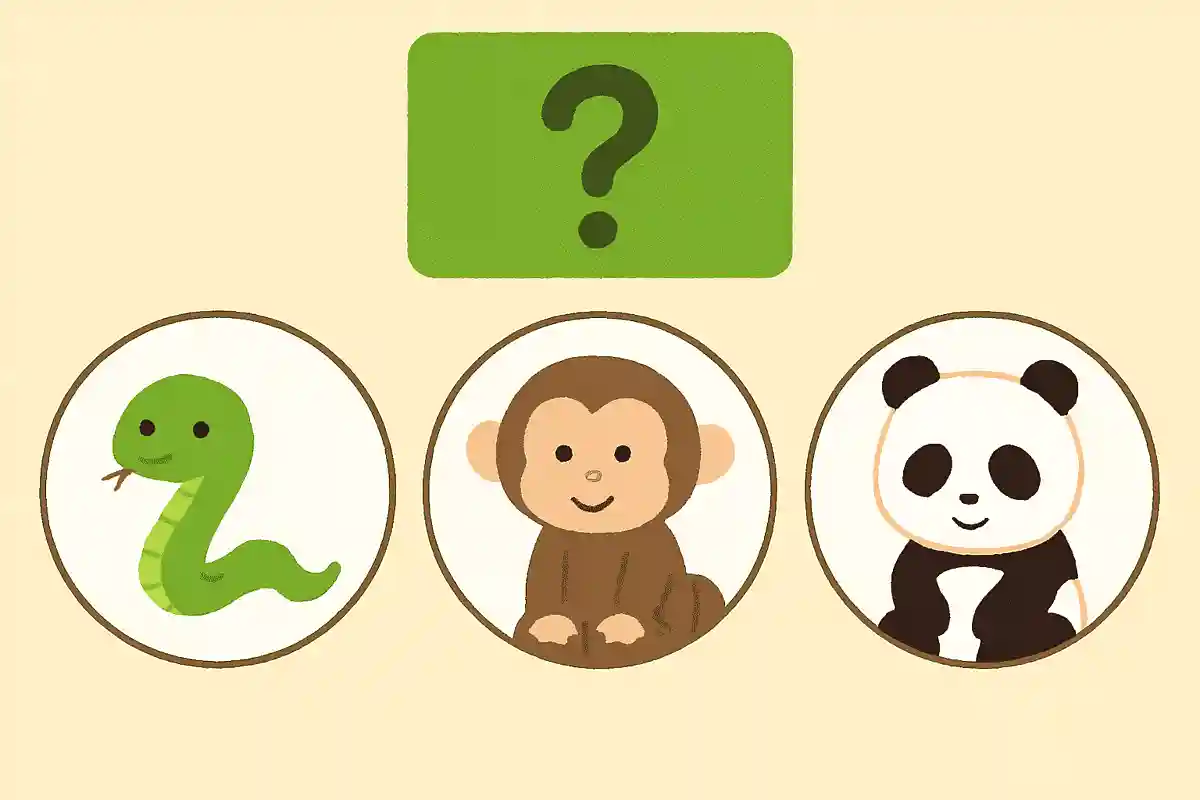
- cow
- cat
- wild boar
See the answer
cat
There are 12 animals used in the Chinese zodiac, but the cat is not among them. There’s a famous folktale that says the cat was invited but arrived late because it was tricked by the rat, and this is why the cat is well known as an animal not included in the zodiac.