

Discover new songs! A collection of tracks whose titles start with “Wa”

How many songs that start with “wa” are there among your favorites?
In this article, we’ll introduce songs whose titles begin with “wa” — handy for song-title shiritori or karaoke with letter restrictions.
Among songs that start with “wa,” there are plenty with words like “watashi” (I/me) and “warau” (to laugh) in their titles.
You might even find some in your favorite songs or your go-to playlist!
We’ve gathered a mix of old and new tracks, so feel free to listen, sing along, and use them for word games, too.
- A compilation of Vocaloid songs with titles starting with 'Wa'
- Songs with titles that start with “wo.” Useful as hints for karaoke and shiritori!
- A compilation of Vocaloid songs with titles that start with 'wo' (を)
- A roundup of songs that start with “U.” Perfect for shiritori or picking tracks at karaoke!
- Songs whose titles start with “Do” – Solo Karaoke / Song-Title Shiritori
- Songs that start with 'Vu'. For shiritori, karaoke, and playlist selection.
- Songs with titles that start with “Ha.” Lots that evoke the seasons!
- Songs with titles that start with a number. Useful for karaoke or playlist selection.
- Songs with titles that start with “Na.” A hint for shiritori!
- A roundup of songs with titles that start with “N” [There are actually more than you’d expect!!]
- Songs with titles starting with “No” (Perfect for karaoke and shiritori!)
- Songs with titles that start with 'de'. Perfect as hints for karaoke or shiritori!
- Songs with titles that start with “ba.” Useful hints for karaoke or shiritori!
Discover new songs! A roundup of tracks with titles starting with 'Wa' (441–450)
We are children of the sea.Monbushō shōka

It’s a grand-sounding piece that conveys feelings about living by the sea and episodes related to the ocean.
Because the theme is the sea, it also evokes an image of a refreshing summer breeze.
Although no specific location is depicted, the detailed portrayal of seaside life invites listeners to picture their own familiar coastlines.
The song feels both expansive and light, and it seems to carry a positive sentiment toward one’s hometown.

ONE MORE TRY!!Saitō Takumi

The song performed by Takumi Saitoh, who is active as an actor and film director, was used as a drama’s ending theme and left a lasting impression on many viewers.
Its lyrics—celebrating the power of a smile, honesty with oneself, and the importance of taking on challenges—give people courage and hope.
Released in June 2012, the track was reborn as a cover of Atsushi Okuno’s song, perfectly matching the drama’s worldview.
The limited first edition includes a promotional video and behind-the-scenes footage, offering a chance to discover a new side of Takumi Saitoh.
It’s a song especially recommended for those feeling worn out by daily life or looking to take a new step forward.
Invitation of WakakusaEri Nitta

This song has a refreshing charm, as if a breezy scent of fresh young grass were drifting through the air.
Its gentle melody and soft vocals paint a world brimming with youth and hope.
The lyrics, filled with feelings of love and adolescence, are sure to resonate deeply with listeners.
Released in February 1987 as Eri Nitta’s fifth single, it was also used as the opening theme for the anime “Tales of Little Women.” It can be seen as a song emblematic of the idol boom of the time.
Highly recommended for those who want to relive nostalgic days of youth or be soothed by warm, tender vocals.
One choiceHinatazaka46
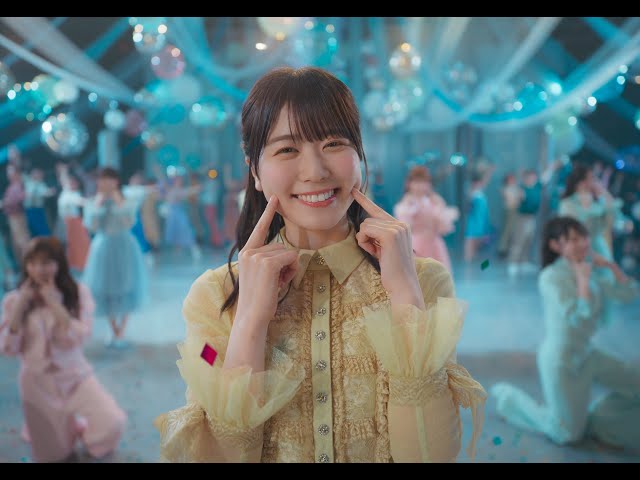
Hinatazaka46, an idol group that was active under the name Keyakizaka46 until 2019, features members who shine in a variety of fields beyond group activities.
Their 9th single, “One choice,” is the first single title track with Akari Nibu as center, and it also serves as the last single for Yuka Kageyama, who announced her graduation in 2023.
The exhilarating, strings-forward sound, paired with the airy feel of the lyrics, lifts your spirits.
It’s a classic idol song whose cute vocals and catchy melody linger in your ears.

Parting Cedar (Farewell Cedar)Kasuga Hachirō

Born into a fisherman’s family, Hachiro Kasuga made his debut in 1952 with “The Last Train with the Red Lamp.” He then scored a massive hit with “O-Tomi-san,” instantly joining the ranks of popular singers.
Captivating many fans with his clear, beautiful high notes and emotionally rich singing, Kasuga recorded over 1,600 songs over his lifetime and became a nationally beloved enka singer, with total record sales exceeding 70 million.
His achievements were highly regarded: he received the Medal with Purple Ribbon in 1989 and the Order of the Rising Sun, Gold Rays with Rosette (Fourth Class) in 1991.
forgotten umbrellaHattori Hiroko

Hiroko Hattori’s classic “Wasuregasa” is both heartwarming and steeped in melancholy.
It faithfully carries the hallmarks of enka, featuring kobushi (melismatic ornamentation) in most parts.
While the frequent use of kobushi raises the overall difficulty, the song pursues enka authenticity so thoroughly that the vocal line remains clear and simple.
The tempo is very relaxed as well, so anyone with basic enka singing skills should be able to perform it without trouble.

Oneway GenerationHonda Minako

Minako Honda, who made a dazzling transformation from idol singer to musical theater star.
Since her debut in 1985, she shone on the idol scene while also taking on classical music and musicals, showcasing activities that transcended genres.
She successfully held her first concert at the Nippon Budokan and, in 1988, formed the female rock band MINAKO with WILD CATS.
In her debut year, she won the Japan Record Awards’ Best New Artist, earning high acclaim for her talent.
Chosen from 12,000 candidates to play Kim in the musical Miss Saigon, she captivated audiences with her outstanding vocal ability and expressive power.
As a songstress who combines a powerful voice with graceful poise, she is highly recommended for those seeking music of the highest quality.