

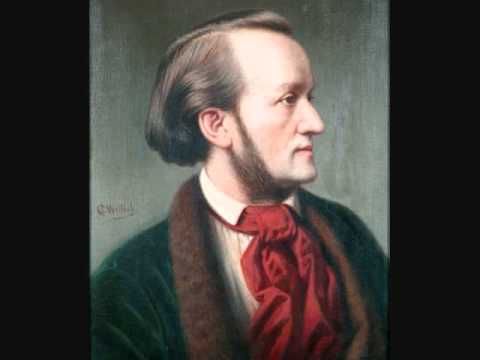

Richard Wagner, the German composer who reached the pinnacle of Romantic opera and created a wealth of monumental works including Tannhäuser.
Though he is known as the founder of music drama and often called the “King of Music Drama,” which naturally draws attention to his operas and stage works, did you know he actually left a fair number of short piano pieces as well? In this article, we’ve selected from among his piano works those that are still occasionally performed today.
You might expect that piano pieces by the “King of Music Drama” would be dramatic and grand in character—but surprisingly, most are simple and serene.
Enjoy that contrast, too!
- [Masterpieces of the Waltz] A comprehensive introduction to classic works written for the piano!
- A masterpiece by Richard Wagner. Popular classical music.
- Romantic Piano Pieces: A Curated Selection of Popular and Classic Works for Recitals and Concerts
- A Collection of Piano Works by Edward Elgar, the National Composer of Britain
- Verdi’s Piano Works: A Curated Selection of Gems by the King of Opera!
- Master of the Late Romantic Era: A Collection of Piano Works by Anton Bruckner
- [Weber’s Piano Works] Exquisite Masterpieces by the Founder of German Opera
- Rossini’s Piano Works: A Curated Selection of Masterpieces by the Great Master of Romantic Opera
- Burgmüller’s Piano Pieces: From Classics to Hidden Gems, All in One Guide!
- [Beginner-friendly] Play right away! A comprehensive introduction to Schumann’s piano works
- [Classical] Famous Piano Works | Gem-like Masterpieces You’ll Want to Play at Least Once in Your Lifetime
- Piano Pieces by Lully: Masterworks by a Composer Favored by the King of France
- Balakirev’s Piano Works: Gemlike Masterpieces Left by the Coordinator of The Five
Introducing All of the Piano Pieces Left by the “King of Music Drama,” Richard Wagner! (1–10)
Fantasia in F-sharp minor, Op. 3, WWV 22Richard Wagner
Composer Richard Wagner, emblematic of German Romanticism and best known for his sophisticated operas, reveals a different side in his piano piece Fantasy in F-sharp minor, Op.
3, WWV 22.
Composed in 1831 and only published many years later in 1905, this work offers a glimpse into Wagner’s rich musical talent in the realm of piano music.
The piece is characterized largely by a delicate, gentle tone, setting it apart from the passionate musicality typically associated with Wagner.
It’s a must-listen for piano enthusiasts and anyone interested in exploring another facet of Wagner’s artistry.
Elegy in A-flat major, WWV 93Richard Wagner

The piano miniature Elegy in A-flat major, WWV 93, left by the innovative German composer Richard Wagner, shines with a distinctly unique charm even among his extensive body of work.
This simple and gentle piano piece shares a harmonic language with his music drama Tristan und Isolde and can be considered a valuable work for delving into the depths of Wagner’s musical world.
This brief and moving melody—something unimaginable from his grand operas—reveals its true worth in silence.
It is recommended for moments of relaxation or self-reflection, and even as an entry point into classical music.
Album Leaf for E. B. Kietz, WWV 64Richard Wagner

A rare piano piece that reflects Richard Wagner’s ceaseless spirit of exploration, Albumblatt for E.B.
Kietz, WWV 64.
Composed in 1840 as a token of friendship for Ernst Benedict Kietz, this work stands in contrast to the grandeur of Wagner’s operas, suffused instead with calm emotion and pure beauty.
Spun without episodes or lavish drama, its melodies quietly speak to the depth of friendship and personal feeling.
This piece is especially recommended for refined pianists who excel at conveying delicate emotions, as well as listeners eager to discover a different side of Wagner!
Zürich’s Viel Leiebchen WWV 88Richard Wagner

Feuerreifchen of Zurich, WWV 88, is a piano work brimming with rustic, gentle charm.
Composed by Richard Wagner during his exile in Zurich, Switzerland, this piece is a romantic waltz that, despite its brief duration of about 1 minute and 10 seconds, leaves a deep impression.
If you enjoy the contrast with the music dramas he is known for, this piece is a top recommendation! Anyone who loves the piano will be touched by its delicate melody and sense a different side of Wagner.
Piano Sonata in A-flat major, WWV 85Richard Wagner

Composed by the Romantic master Richard Wagner, the Piano Sonata in A-flat major, WWV 85, is a piano work of delicate beauty that stands apart from the operas and music dramas for which he is widely known.
It is said that he wrote this piece imbued with profound feelings for Mathilde Wesendonck.
That backstory further illuminates the music’s calm yet passionate passages.
Highly recommended for all piano lovers, especially those interested in classical and Romantic-era music.
Experience a quiet narrative told through the piano—distinct from the dramatic world of his music dramas.
Piano Sonata in B-flat major, WWV 1, Op. 1Richard Wagner

Richard Wagner’s Piano Sonata in B-flat major, WWV 1, Op.
1, is a work whose gentle, unadorned sonority stands apart from his resplendent music dramas and operas.
Composed in 1831 when he was just 18, it offers a glimpse of Wagner’s early talent as he was still forging his musical path.
While it contains few passages designed to dazzle with virtuosity, the richness of expression and passion that underlie his music breathe through its delicate melodic lines.
Marking the first steps of the young Wagner’s diverse musical explorations, this piece possesses a charm distinct from the grandeur of the music dramas he would later create, and it is recommended not only for piano enthusiasts but also for those who wish to experience Wagner’s music from a fresh perspective.
Polonaise in D major, Op. 2, WWV 23bRichard Wagner

Polonaise in D major, Op.
2, WWV 23b, composed by the young Richard Wagner in 1831, is a fine work that distills the charm of his early period.
While inheriting the traditional form of the polonaise, this piece for piano four hands shines with Wagner’s distinctive musical expression.
Though Wagner is best known for his operas, this piano work reveals his musical versatility and classical beauty.
Its lively rhythms and brilliant melodies are sure to captivate both fellow performers and audiences alike.
Highly recommended for piano enthusiasts and for anyone eager to discover a new side of Wagner!