

A general-knowledge quiz about public assistance (seikatsu hogo). Deepen your understanding with little-known trivia and fun facts.

Would you like to learn surprising facts about public assistance through a quiz? In fact, there are many commonly misunderstood points and plenty of useful knowledge to know.
From eligibility and application procedures to available services, we’ll clearly explain the basics of the public assistance system in an easy-to-understand, three-choice quiz format.
By reading this page, you’ll pick up handy tips about public assistance that everyone should know.
For yourself and those around you, let’s learn accurate information about public assistance.
- Surprisingly unknown? Health trivia quiz. A multiple-choice (three options) mini knowledge quiz about health.
- Surprisingly unknown? Trivia Quiz [Multiple Choice: 3 Options]
- A three-choice quiz of useful trivia: a collection of questions you can use in everyday life
- Aim for a perfect score! A three-choice common knowledge quiz that deepens your understanding
- [General] Surprisingly unknown? Test your geography skills with a three-choice quiz on Japan’s prefectures
- [For Elementary School Students] 3-Choice Quiz to Deepen Knowledge of Living Things
- Deepen your knowledge of food! A three-choice trivia quiz
- Trivia quiz about dogs: three-choice questions to learn fun facts
- Useful in emergencies! Learn disaster preparedness the fun way with a disaster-prevention trivia quiz
- [Challenging] General Knowledge Quiz Compilation: Difficult and Interesting Multiple-Choice Questions (3 Options)
- [Trivia] A three-choice quiz to deepen your rabbit knowledge
- [Play Right Away!] Multiple-Choice Quiz Questions for Lower-Grade Elementary School Students
- [For Elementary School Kids] A New Year’s Quiz Everyone Can Enjoy! Learn surprising fun facts with multiple-choice questions
General knowledge quiz about public assistance. Deepen your understanding with surprising trivia and fun facts (1–10).
Which of the following is a facility not specified under the Public Assistance Act?
- medical protective facility
- Geriatric Health Services Facility
- Accommodation provider
See the answer
Geriatric Health Services Facility
Under the Public Assistance Act, various facilities are designated to provide necessary support to those in need of protection. Medical protection facilities and accommodation-providing facilities are defined under the Public Assistance Act, whereas long-term care health facilities for the elderly are established under the Long-Term Care Insurance Act and are not defined by the Public Assistance Act.

The Public Assistance Act is enacted based on the principles of Article 25 of the Constitution of Japan. What are those principles?
- right to life
- civil liberties
- suffrage (the right to participate in politics; political rights)
See the answer
right to life
The principle of Article 25 of the Constitution of Japan is the “right to live.” This right guarantees that all citizens can lead a minimum standard of living that is healthy and culturally fulfilling, and the Public Assistance Act was enacted to realize this right.
Which of the following options is correct as assistance under public assistance (livelihood protection)?
- Cost of building a new house
- Travel accommodation expenses
- funeral expenses
See the answer
funeral expenses
There are eight types of assistance under public assistance, such as livelihood assistance and housing assistance, and funeral assistance is one of them. This means that when a public assistance recipient passes away, the minimum funeral expenses are covered. On the other hand, expenses for building a new house or travel accommodation are not covered.
A general-knowledge quiz about public assistance (seikatsu hogo). Deepen your understanding with surprising trivia and fun facts (11–20)
If a single-mother household receives public assistance, it can receive the additional allowance for single-mother families. Until what age is a child eligible for this allowance?
- until the first March 31 following the day on which one reaches the age of 15
- Until the first March 31 following the day you reach the age of 18
- Until the first March 31 following the day one reaches 20 years of age
See the answer
Until the first March 31 following the day you reach the age of 18
The additional allowance for single-parent households under public assistance is intended to support such families and is provided when the child is under 18. Strictly speaking, it is paid until the first March 31 after the child reaches 18. However, if the child has a disability, it is provided until age 20. It is not available if the caregiver of the child remarries.
When was the current Public Assistance Act enacted?
- the year 1946
- 1950
- 1960
See the answer
1950
The current Public Assistance Act was enacted in 1950, thereby guaranteeing Japanese citizens a minimum standard of living by law. Before that, there was the former Public Assistance Act (Relief Act), but after the postwar turmoil, the new law enacted in 1950 became the current one.
Who conducts the home visits for public assistance (welfare)?
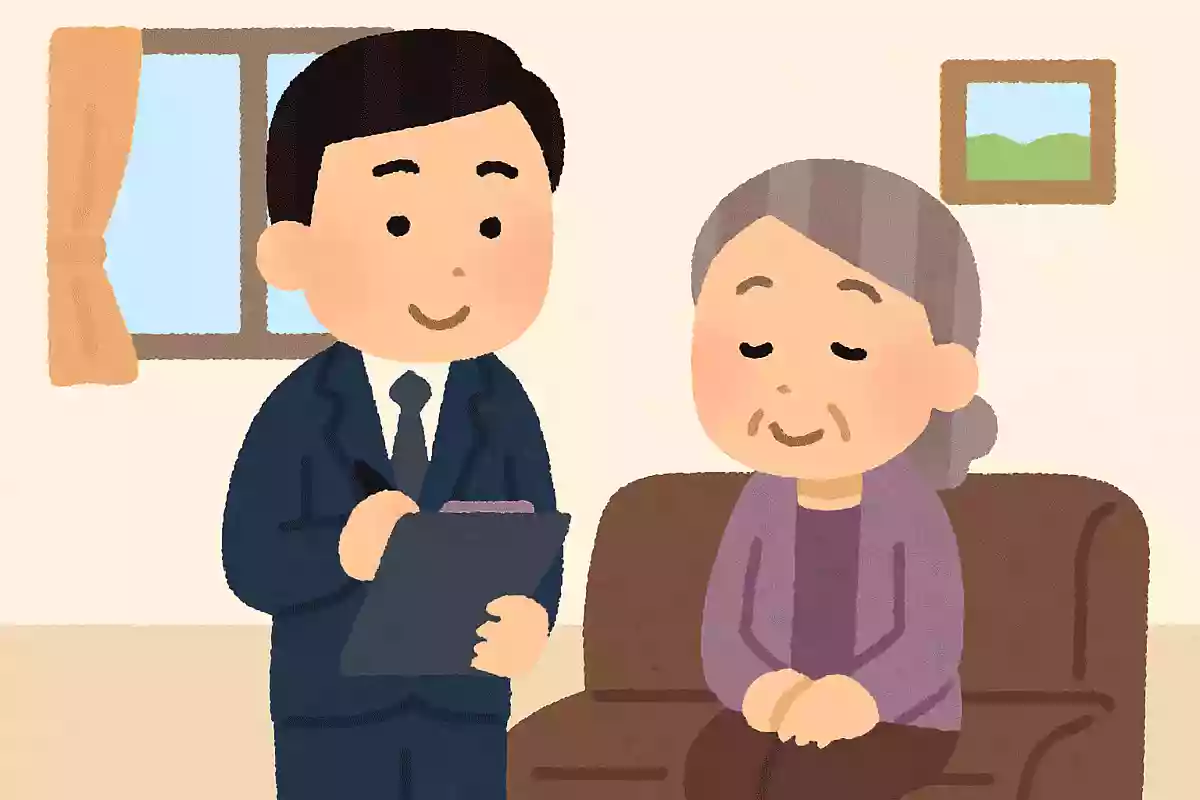
- caseworker
- police officer
- doctor
See the answer
caseworker
Home visit assessments for public assistance are handled by caseworkers (staff in charge of public assistance) who belong to municipal welfare offices. Caseworkers conduct home visits and verify applicants’ circumstances to determine whether public assistance is necessary. In addition, several home visit assessments are conducted each year, depending on the household’s actual situation.
Which of the following is not explicitly stated as an objective of the Public Assistance Act?
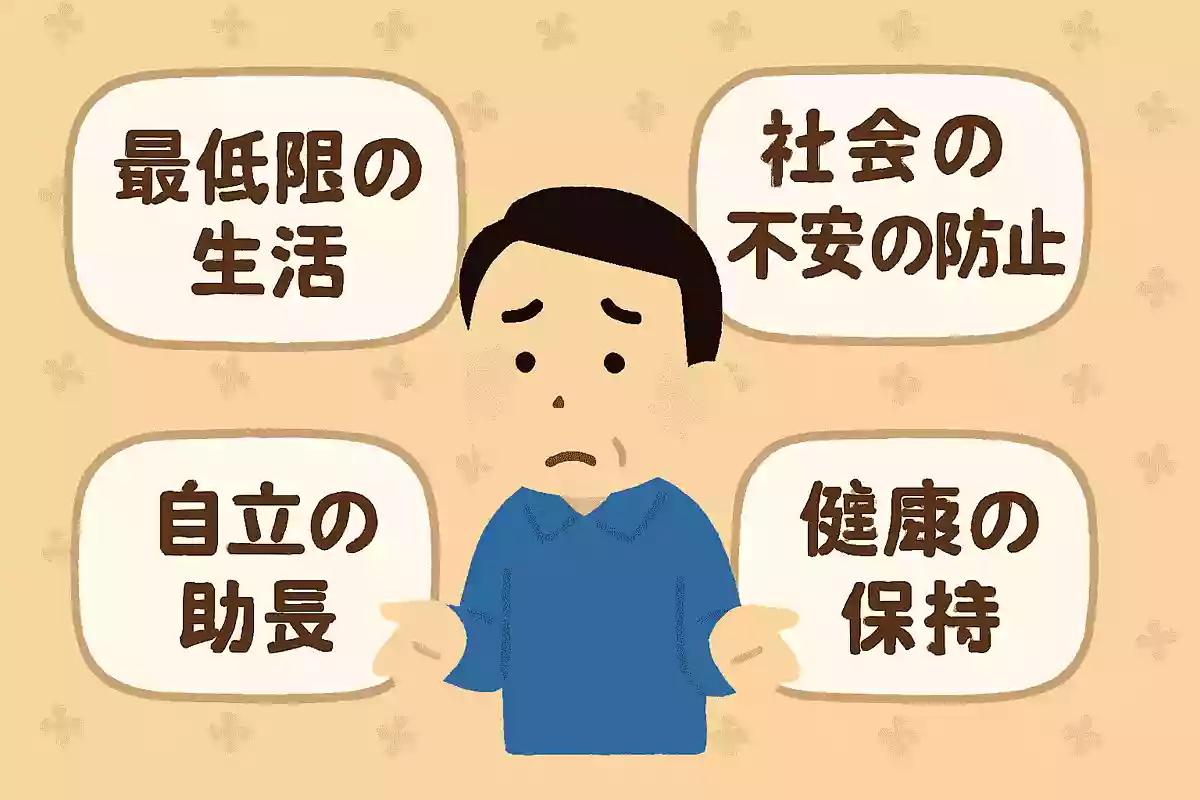
- Necessary protection
- Promotion of independence
- Securing the necessities of life (food, clothing, and shelter)
See the answer
Securing the necessities of life (food, clothing, and shelter)
The purpose of the Public Assistance Act is to provide “necessary protection” according to the degree of hardship and to promote “self-reliance” for all citizens who are in need. Securing food, clothing, and shelter is one of the outcomes achieved through public assistance, but it is not expressly stated as a statutory objective.