

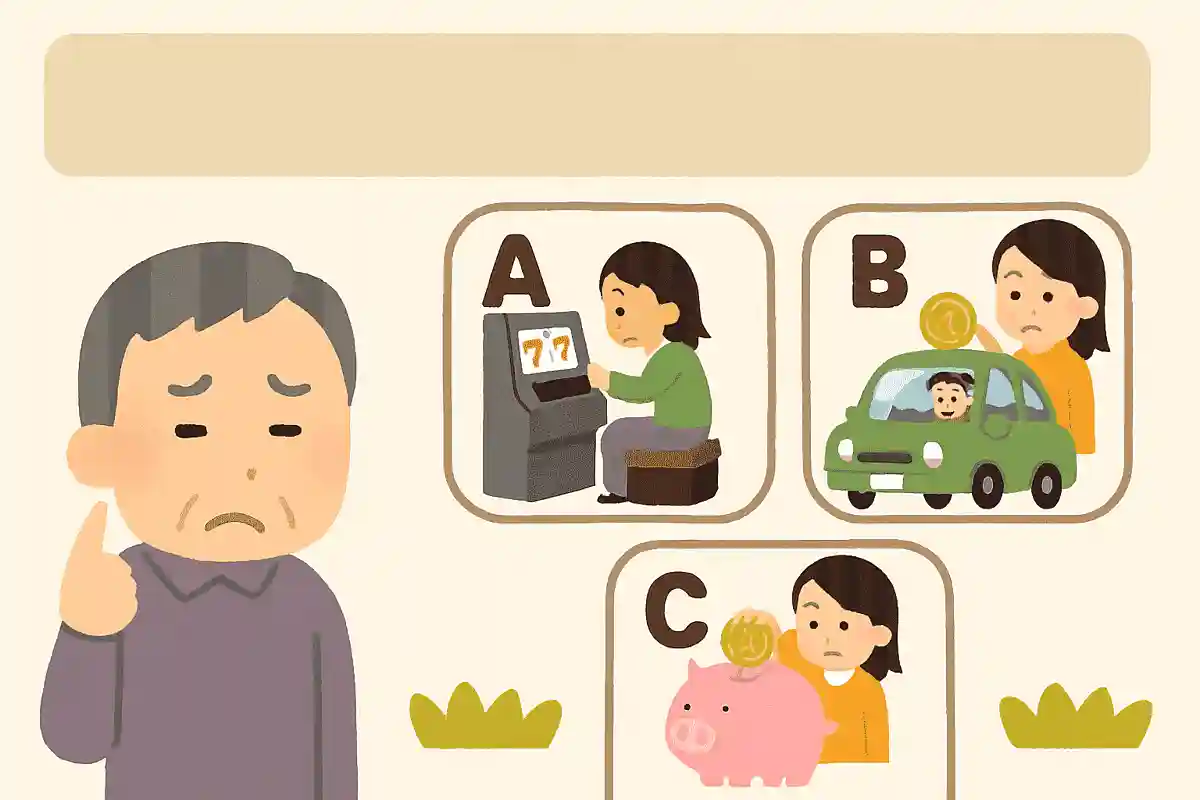

Would you like to learn surprising facts about public assistance through a quiz? In fact, there are many commonly misunderstood points and plenty of useful knowledge to know.
From eligibility and application procedures to available services, we’ll clearly explain the basics of the public assistance system in an easy-to-understand, three-choice quiz format.
By reading this page, you’ll pick up handy tips about public assistance that everyone should know.
For yourself and those around you, let’s learn accurate information about public assistance.
- Surprisingly unknown? Health trivia quiz. A multiple-choice (three options) mini knowledge quiz about health.
- Surprisingly unknown? Trivia Quiz [Multiple Choice: 3 Options]
- A three-choice quiz of useful trivia: a collection of questions you can use in everyday life
- Aim for a perfect score! A three-choice common knowledge quiz that deepens your understanding
- [General] Surprisingly unknown? Test your geography skills with a three-choice quiz on Japan’s prefectures
- [For Elementary School Students] 3-Choice Quiz to Deepen Knowledge of Living Things
- Deepen your knowledge of food! A three-choice trivia quiz
- Trivia quiz about dogs: three-choice questions to learn fun facts
- Useful in emergencies! Learn disaster preparedness the fun way with a disaster-prevention trivia quiz
- [Challenging] General Knowledge Quiz Compilation: Difficult and Interesting Multiple-Choice Questions (3 Options)
- [Trivia] A three-choice quiz to deepen your rabbit knowledge
- [Play Right Away!] Multiple-Choice Quiz Questions for Lower-Grade Elementary School Students
- [For Elementary School Kids] A New Year’s Quiz Everyone Can Enjoy! Learn surprising fun facts with multiple-choice questions
General knowledge quiz about public assistance. Deepen your understanding with surprising trivia and fun facts (1–10).
Which of the following are welfare recipients not allowed to do?
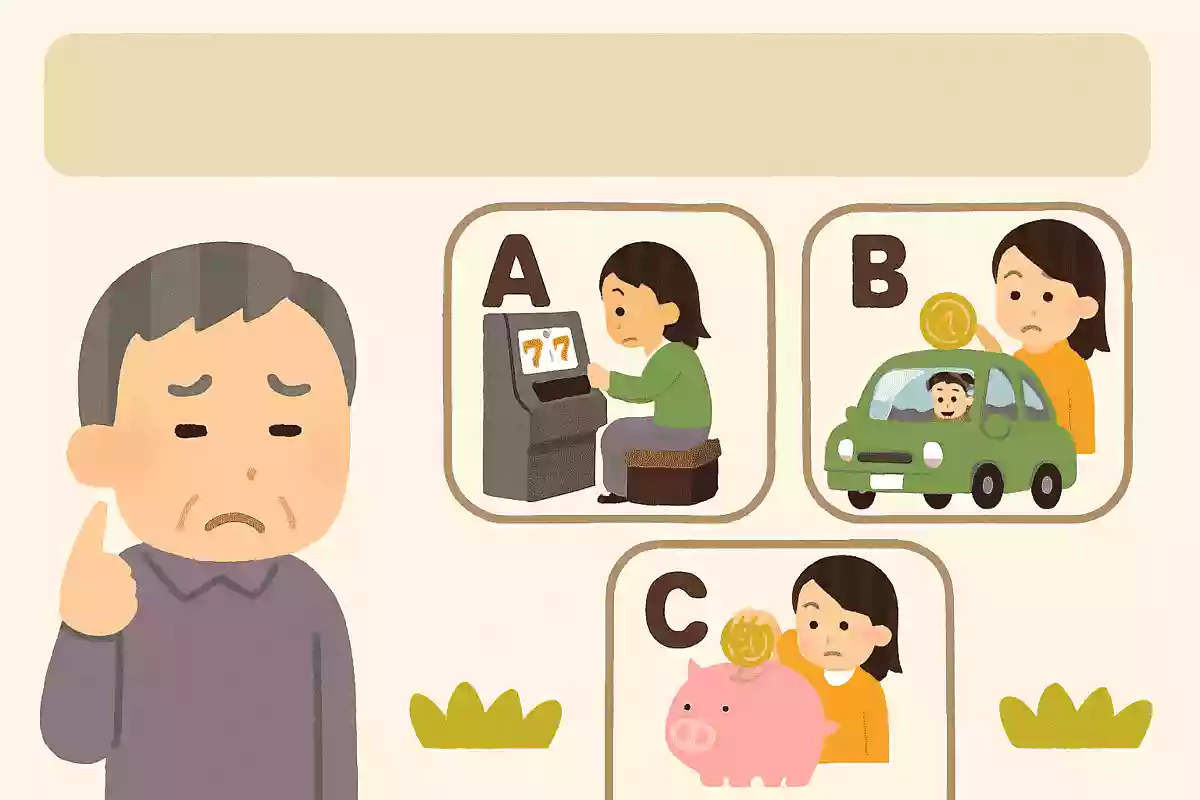
- Giving birth using welfare benefits
- Using welfare benefits to repay debts
- Saving welfare benefits
See the answer
Using welfare benefits to repay debts
Public assistance benefits are financial support intended to maintain the minimum standard of living for citizens. Therefore, using the funds you receive to repay debts is prohibited. If you use them for repayment, you may face penalties such as suspension of benefits or an order to return the funds.

Which of the following does not apply to an investigation conducted for the purpose of making a protection decision?
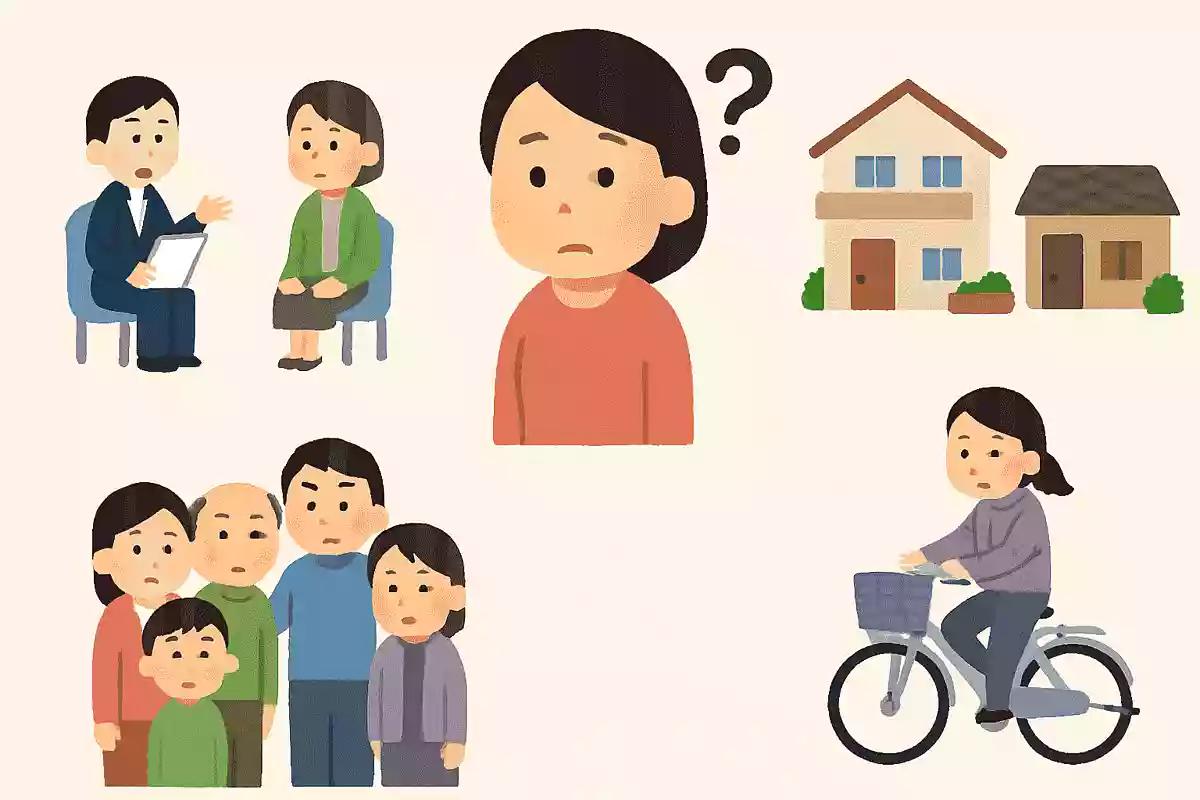
- Asset investigation
- Home visit
- Driver’s license status
See the answer
Driver’s license status
When determining eligibility for public assistance, asset investigations and home visits are conducted to confirm the applicant’s living conditions and whether they have assets. This includes social security benefits such as pensions and support from family, such as remittances. However, checking whether the applicant holds a driver’s license is not a mandatory item of investigation for making a benefit determination.
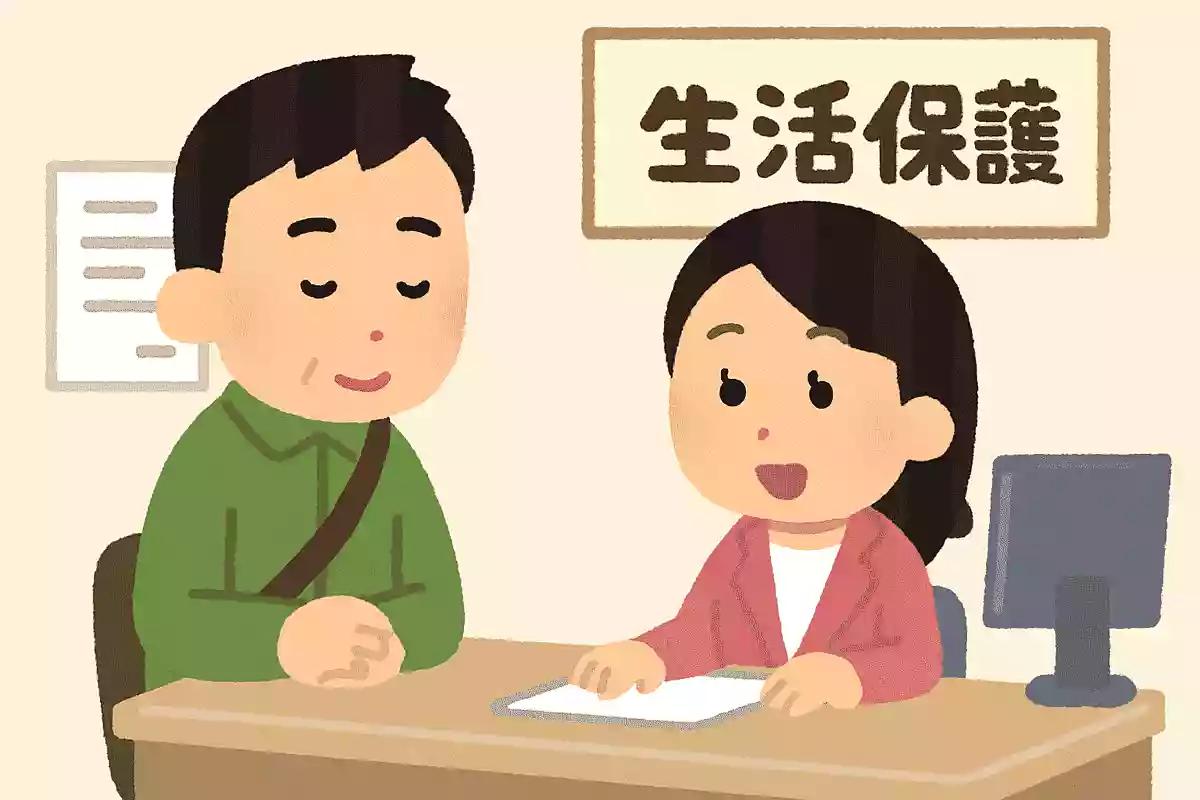
Where can I go to consult about or apply for public assistance (welfare)?
- police station
- Welfare Office
- Post office
See the answer
Welfare Office
The office for consultations and applications related to public assistance (seikatsu hogo) is the welfare office established by your city, ward, town, or village. Police stations and post offices do not handle these services. If you are in need, consult the welfare office in your area. If your town or village does not have a welfare office, consult your town or village hall.
Which of the following must recipients of public assistance report every month?
- Current residence floor area
- What did you eat?
- Income status
See the answer
Income status
If you are receiving public assistance, you are required to report not only income from part-time work but also windfalls, pensions, and other supplementary income to the welfare office every month. Failing to do so may be considered fraudulent receipt of benefits, so you must report your income status every month.
Where should one file an appeal if they are dissatisfied with a decision regarding public assistance (welfare)?
- Welfare Assistance Section at the City or Ward Office
- Prefectural Governor
- Ministry of Health, Labour and Welfare
See the answer
Prefectural Governor
As a rule, if you object to a decision regarding public assistance (seikatsu hogo), you must file an administrative appeal with the prefectural governor (Article 64 of the Public Assistance Act). In some municipalities, the Social Welfare Review Board established by the prefecture conducts the review. While applications and consultations for public assistance are handled by the Public Assistance Section of the welfare office, the window for filing an appeal is different, so please take care to use the correct point of contact.
Among households receiving public assistance, which of the following types of households are the most common?
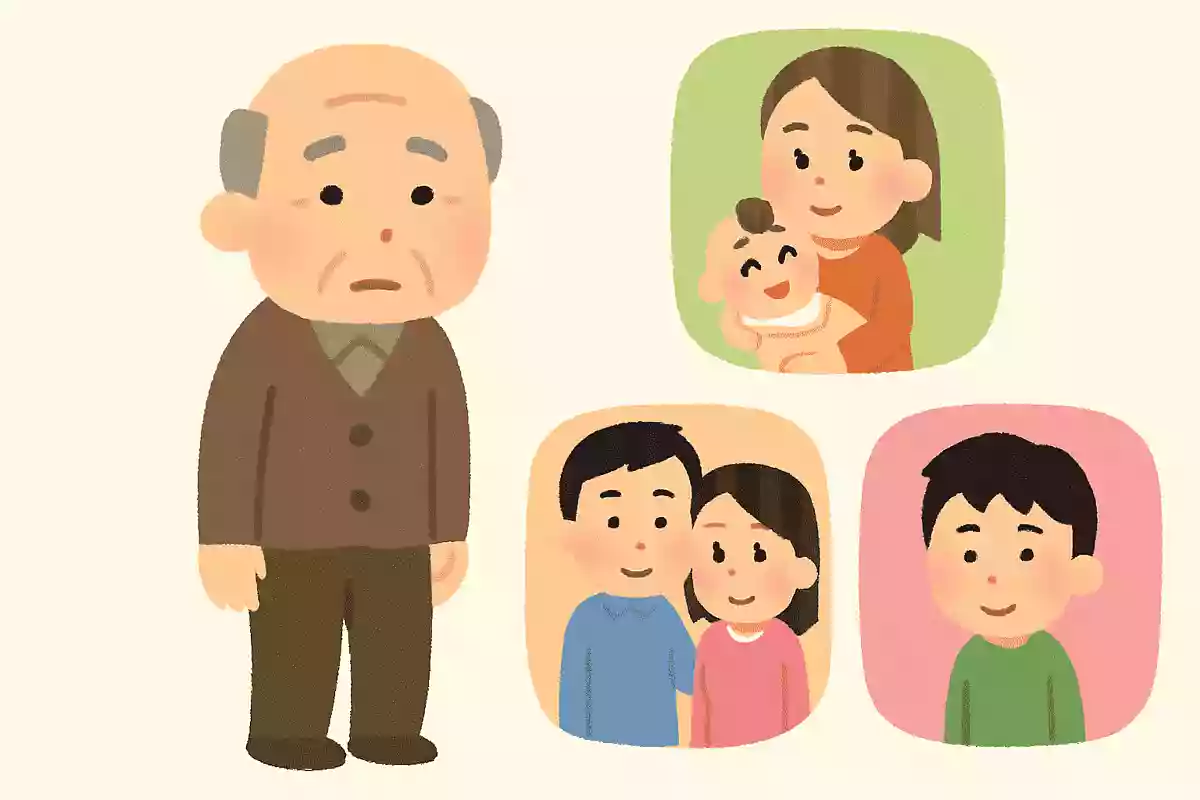
- elderly household(s)
- mother-child household
- households of persons with disabilities
See the answer
elderly household(s)
According to the latest statistics from the Ministry of Health, Labour and Welfare, the largest share of households receiving public assistance are “elderly households.” The increase in single-person elderly households is particularly notable, accounting for more than half of the total. In Japan’s aging society, providing public assistance to elderly households has become a critical issue.
There are certain conditions for receiving public assistance. As a general rule, which of the following people are not eligible?
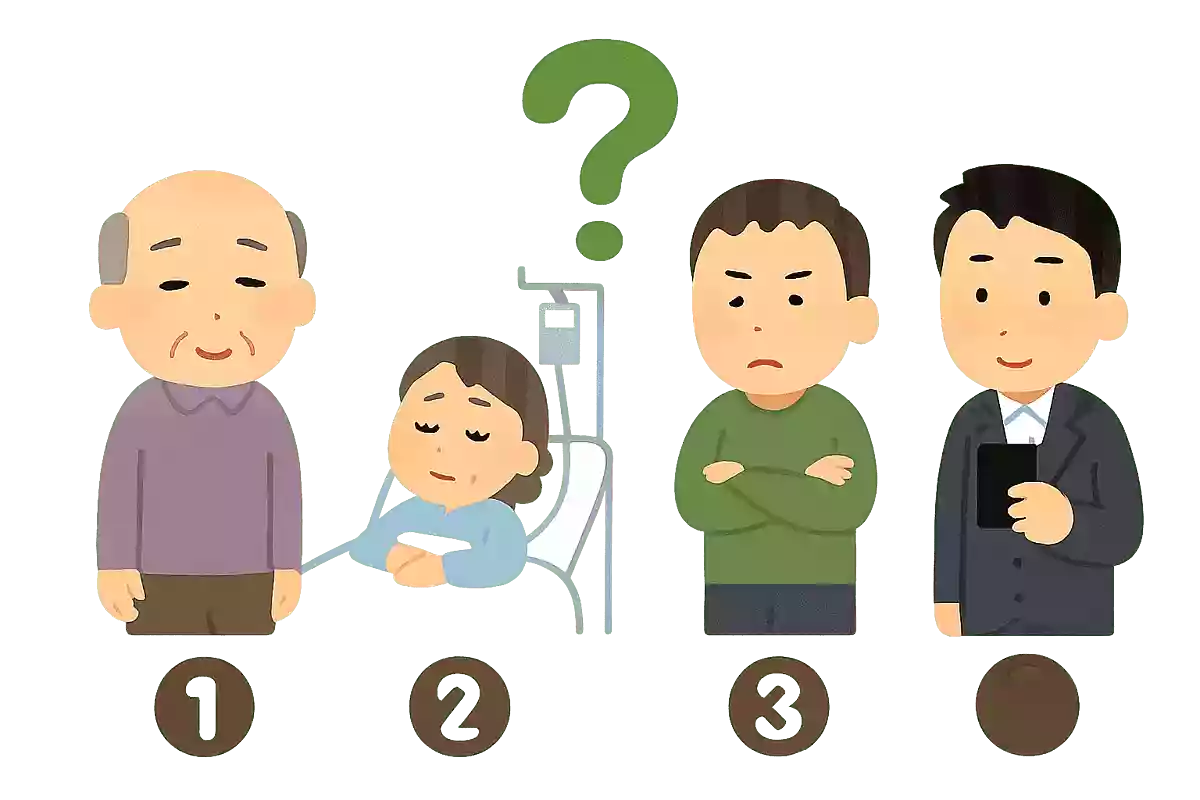
- people with sufficient income or assets
- people who own their homes
- Someone who has a family
See the answer
people with sufficient income or assets
Public assistance is available to those whose income and assets fall below government-defined standards. People with sufficient income or assets are not eligible for public assistance. Even if you own a home or have family members, you may still qualify depending on the conditions.