

A comprehensive list of instruments that shine in wind bands, introduced by category

Wind ensembles, which are established at many schools across the country, are active not only in competitions and concerts but also at baseball games and cultural festivals.
Some new students may be considering joining the wind ensemble, while others may have already decided to join and started thinking about which instrument they want to play.\nSo, what kinds of instruments play an active role in wind ensembles?
In this article, we’ll introduce the instruments used in wind ensembles by dividing them into four groups: woodwinds, brass, low brass/bass instruments, and percussion.
Use this as a reference when choosing the instrument you’d like to play.
- [Orchestra] A List of Instruments Played in an Orchestra: Introduced by Category
- [For Instrument Beginners] Recommended Instruments for the School Concert Band: Flute, Trombone, and Trumpet Edition
- To you who are thinking about quitting the brass band club: You shouldn’t quit for reasons like these.
- [March] A curated selection of classic marches and dazzling crowd-pleasers for concerts!
- Songs with cool trumpet. Introducing famous pieces from wind ensemble and jazz.
- Perfect for free selections and concert programs! Introducing famous and classic favorites in wind ensemble music.
- A classic brass band medley
- [History] A roundup of popular set pieces from the All-Japan Band Competition
- Wind Ensemble: Brass Band Pieces Popular with Girls. Masterpieces of Wind Music Recommended for Women.
- The Profound Allure of the Saxophone: Iconic Songs Featuring Saxophone [2026]
- [Wind Band] Guaranteed to hype up the school festival! Recommended pieces the brass band will want to play
- [Wind Ensemble] Wind band pieces that men like. Masterpieces of wind band music recommended for men.
- [Brass/Wind Band] Recommended for Beginners! A Collection of Classics and Popular Pieces Perfect for Practice
Brass instruments (1–10)
Euphonium

A brass instrument that belongs to the relatively new class among acoustic instruments.
Because it uses the same fingerings as all wind instruments—from the flute to the tuba—it’s known for improving the overall balance of an ensemble simply by being part of it.
Its gentle, rounded tone also produces melodies that blend beautifully with concert band music.
As a new-generation instrument distinct from long-established traditional ones, it’s a great choice to pick up if you’re unsure which instrument to play when you join a school band.

horn

With its distinctive design in which the bell faces backward when held, the sound reflects off the wall, giving this brass instrument a uniquely soft, rounded tone.
Because of this timbre, it often serves as a bridge between woodwinds and brass—for example, the horn is included in a “woodwind quintet.” It is also known for its wide range among brass instruments, and due to its broad musical roles, it is sometimes called the “most difficult brass instrument in the world.” Mastery requires considerable practice, but its rich expressiveness and intermediary role between woodwinds and brass make it a vital and rewarding part in wind ensembles.
Low-pitched instruments (1–10)
baritone saxophone

A type of saxophone that plays a starring role among woodwinds across a wide range of genres.
It specializes in the low–mid register between the tenor sax and the bass sax, and a distinctive feature is its Low A key, which other saxophones typically lack.
In classical music it was originally used mostly as an ensemble instrument, but in recent years it has begun to draw attention as a solo instrument.
In jazz as well, many prominent performers showcase its unique timbre.
Because it excels both as a solo and an ensemble instrument, it’s an excellent choice for those who love low-pitched instruments but still want to stand out as a soloist.
tuba
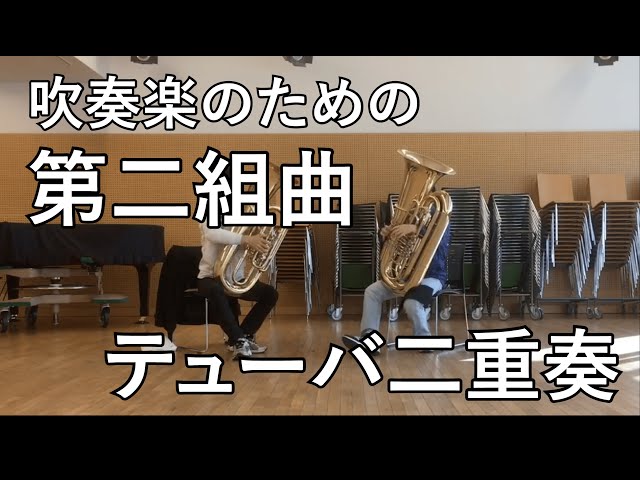
Among brass instruments, it is particularly large in size and covers the lowest register.
In wind ensembles, its overwhelming volume forms the foundation and core, giving it a presence worthy of being called the leader of the low brass section.
It also plays a crucial role in creating essential harmony and rhythm in any music, serving as the unsung hero that supports the ensemble from the lowest notes.
Unlike star instruments like the trumpet or saxophone, it is a vital part that influences the entire piece, making it a perfect fit for those confident in their objective perspective.
double bass
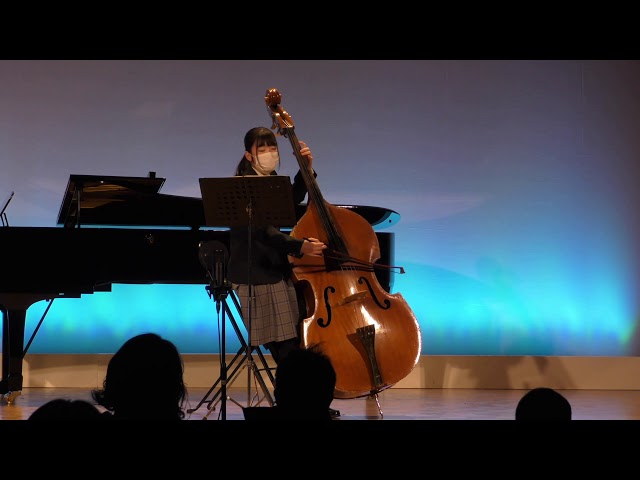
Often called by various names such as double bass, upright bass, or wood bass, the contrabass is a rare string instrument within wind bands, which are made up mostly of brass and percussion.
The reason the contrabass is included as the sole string instrument in a wind band centered on wind instruments is simply that the music needs low frequencies.
The contrabass can produce tones lower than the tuba and resonate with other instruments, so while it may not be a showstopper, it is a very important instrument.

bass clarinet

As its name suggests, it is a derivative of the clarinet—a woodwind instrument that sounds one octave below the standard clarinet.
In ensembles it plays a behind-the-scenes, supporting role that underpins the overall sound, and in recent years it has been heard more and more across a wide range of genres, not only in wind bands but also in classical, jazz, fusion, and contemporary music.
Because it plays in the low register and has limited volume compared to other wind instruments, it can be difficult to pick out in an ensemble; however, since there are no other instruments with a similar timbre, it is indispensable for adding depth to the whole.
It’s a woodwind instrument whose irreplaceable tone is its charm, creating the very foundation of the music.
bassoon
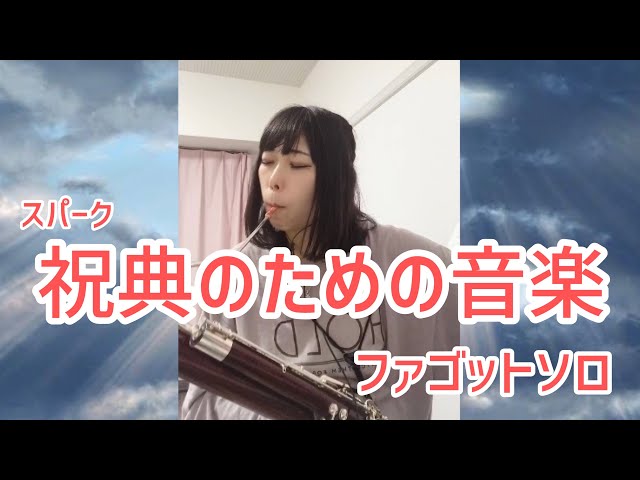
Low-pitched instruments are known as essential parts in a wide range of settings, including orchestra, concert band, and chamber music.
Even in the low register, where articulation tends to lag, they speak quickly, and their agility and wide range make them highly valued in wind ensembles as well.
While their simple mechanisms can make intonation tricky and limit volume, their distinctive timbre and rich individuality more than make up for it, adding indispensable depth to any ensemble.
This is a must-have section in wind bands, recommended for those who don’t want to stand out flamboyantly but still wish to express their individuality.