

[1980s Western Music] Nostalgic 80’s Best Hit Songs

The 1980s brought changes to music history and had a huge influence on later musicians.
Cyndi Lauper, Culture Club, Madonna, Earth, Wind & Fire…
Even those who didn’t live through the era can sink into a sense of nostalgia that feels familiar somehow.
Compared to modern songs, the classics of the ’80s often boast purer song quality and stronger musical structure—or, seen another way, the larger market meant bigger budgets, letting you enjoy luxuriously produced sounds.
Find a favorite track and really dive into it!
- Nothing but classics! A nostalgic collection of ’80s Western ballads
- [Definitive Edition] Masterpieces and Hit Songs of 80s Disco
- Legendary Western rock masterpieces and hit songs of the 80s
- Ranking of Popular Western Music Artists of the 1980s [2026]
- Nostalgic or fresh? Great Western pop masterpieces and hit songs from the 1980s
- Love songs in Western music that were hits in the 1980s. World-famous classics and popular tracks.
- Club Hits: Dance music from Western artists that energized the dance floors in the 1980s
- 80s Western pop hits featured in commercials. A roundup of nostalgic CM songs.
- The 1970s were the golden age of Western rock! Recommended classics and hit songs
- [80s Western Music] A roundup of debut songs by girl bands
- Classic and hit Japanese pop songs from the nostalgic 80s
- Golden age of Western music! Recommended summer songs that were hits in the 80s
- Dance music in Japanese (J-pop) that people in their 50s used to listen to. Nostalgic classic hits.
[1980s Western Music] Nostalgic 80’s Best Hit Songs (111–120)
In A Big CountryBig Country

They’re often described as a quintessential one-hit wonder, becoming legendary for this single big hit that featured bagpipes from their native Scotland.
In Japan, it was covered by George Yanagi.
In reality, they had a few other hits in the UK, but they’re hardly known outside the country.
[1980s Western Music] Nostalgic 80’s Best Hit Songs (121–130)
Heart(Stop Beating in Time)Leo Sayer

Leo Sayer, from the UK.
His specialty is, above all, mellow ballads that showcase his beautiful voice.
Songs like “When I Need You” and “More Than I Can Say” are melodies almost everyone has heard at least once.
Hidden behind those massive hits, this track has a dreamy, addictive melodic line that really hits the spot.
TrueSpandau Ballet

It’s a long-running hit from the ’80s—a piece of contemporary music that still feels fresh today.
It topped the UK singles chart for four weeks and ranked sixth for two consecutive years.
It was highly acclaimed in 20 other countries.
This song is Spandau Ballet’s biggest hit.
First LoveStryper

When it comes to Christian metal bands from the ’80s, it has to be Stryper.
This track showcases Michael Sweet’s powerful high notes ringing out.
With its truly divine melodic lines, it’s a masterpiece that will captivate even those who aren’t metal fans.
Arthur’s ThemeChristopher Cross
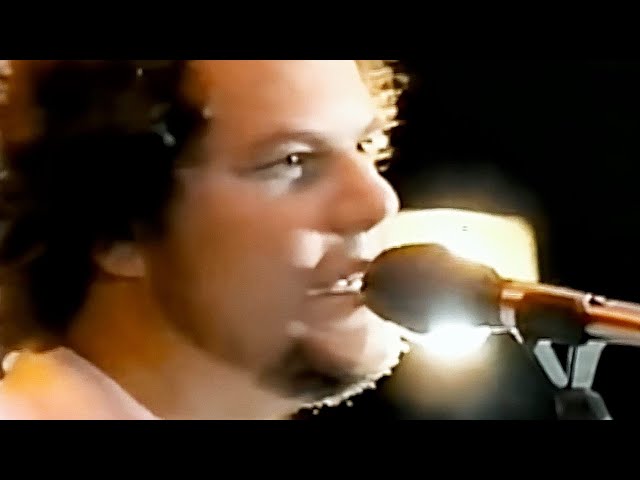
Number one in the U.S.
in 1981.
The theme from the film “Arthur,” starring Liza Minnelli and Dudley Moore.
A collaboration by Carole Bayer Sager and Burt Bacharach with C.
Cross.
Peter Allen’s name is also included, apparently because the lyric “when you get caught between the moon and New York City” was quoted from one of his works.
Come On EileenDexys Midnight Runners

It hit number one in the U.S.
in 1983.
The frontman, Kevin Rowland, came out of the punk scene, and it’s said that this song wasn’t really their usual style.
In the UK they had another hit, “Geno,” but in the U.S.
they shot to the top and then disappeared just as quickly—that’s the impression I have.
The music video was a bit odd too.
They showed up in overalls and bandanas.
Hippies? At first I even wondered if they were a jug band.
Still, the song itself is absolutely outstanding.
Hands To HeavenBreathe
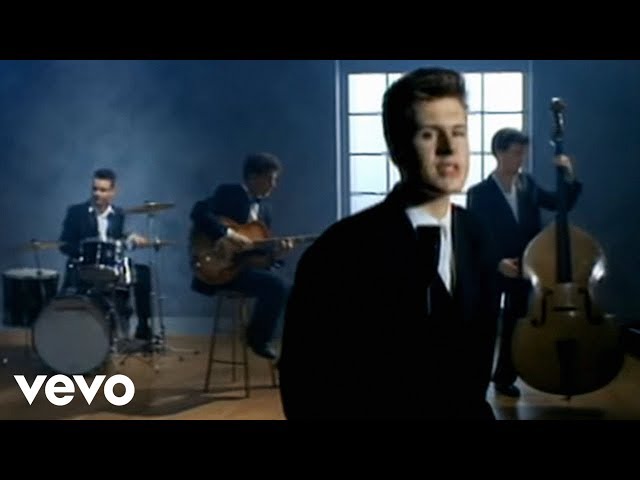
A splendid ballad that even exudes a solemn atmosphere, praying to God for a reunion with a loved one.
It’s the signature song of Breeze, a pop band from London.
Beyond the song’s beauty, the striking good looks of the vocalist, David Glasper, also drew considerable attention at the time.