

Cute and funny mnemonics made with four-digit numbers

You know how sometimes we assign words to randomly ordered numbers and memorize them as mnemonic puns? They’re used for things like remembering historical dates or turning numbers into memorable dates for anniversaries, and they come in handy in all sorts of situations.
Wouldn’t you like to use those kinds of number puns stylishly in everyday life, too? In this article, we’ll introduce cute and funny mnemonics you can make with four-digit numbers.
We’ve gathered ones that are easy to put on your belongings or use for social media accounts.
Be sure to check them out!
- From surprising to cynical! Funny one-liners that make you laugh
- The magical power of words that make people laugh! A collection of quotes that lighten the heart
- [Surprisingly hard to recall?] Food names starting with 'go' by character count
- Games you can play with just conversation. Classic and popular activities you can enjoy without any props!
- [Rec] Interesting! A roundup of wordplay games
- A fun number-guessing magic trick! A collection of easy ideas
- Words of love that tug at your heart. A moving message that will surely convey your feelings.
- Witty quotes that make you chuckle without thinking
- [For Adults] Fun recreational games. Perfect for short breaks too!
- Food names starting with “ne,” categorized by character count
- Games that liven up social and networking gatherings
- Liven up even first meetings! A collection of fun games perfect for welcome parties
- [For 2 Players] Easy Pen-and-Paper Time-Killing Game
Cute and funny mnemonics (11–20)
5572Coconut
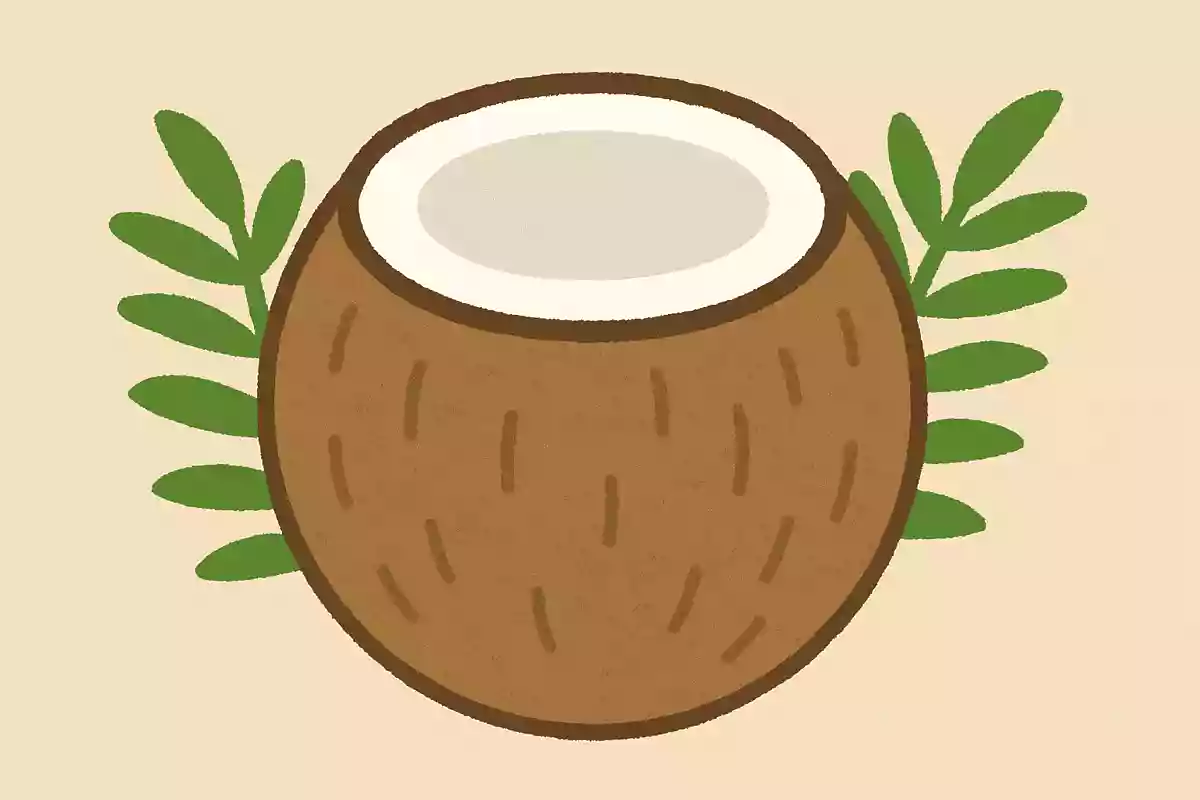
In puns that use numbers, 5 is often read as “ko” rather than “go.” Similarly, 2 can be read as “tsu” instead of “ni.” Neither feels entirely intuitive, right? A number string that incorporates both of these readings is 5572, which represents “coconuts” (ko-ko-natsu).
Try using it if you want to standardize your passwords around food-themed number puns.

4649Thank you in advance.

“4649” is a play on numbers that stands for “yoroshiku” (best regards).
The 4 is read as “yo,” 6 as “ro,” and 9 as “ku.” Since it uses the initial sounds of the numbers’ common readings, it’s easy to understand and remember.
It’s a well-known number pun, so it should be understood across a wide range of age groups.
It could be fun to use in LINE messages and the like.
4690polar bear

In Japanese wordplay with numbers, the digit “0” can be read in various ways.
One unusual reading is “ma.” For example, “4690” can be read as “shirokuma,” meaning polar bear.
Try remembering this as one of the animal-related number puns.
Since polar bears are loved for their white appearance, this wordplay also gives off a cute impression.
1026denim

Do you know what wordplay “1026” stands for? The answer is “denim.” In typical Japanese number wordplay, 1 and 0 are pronounced separately as different sounds.
But here, 10 is treated as a single unit and converted to its English reading “ten,” which is then read as “de” in Japanese.
By the way, October 26 is designated as Denim Day.
Take this opportunity to remember it!
6331Japanese giant flying squirrel
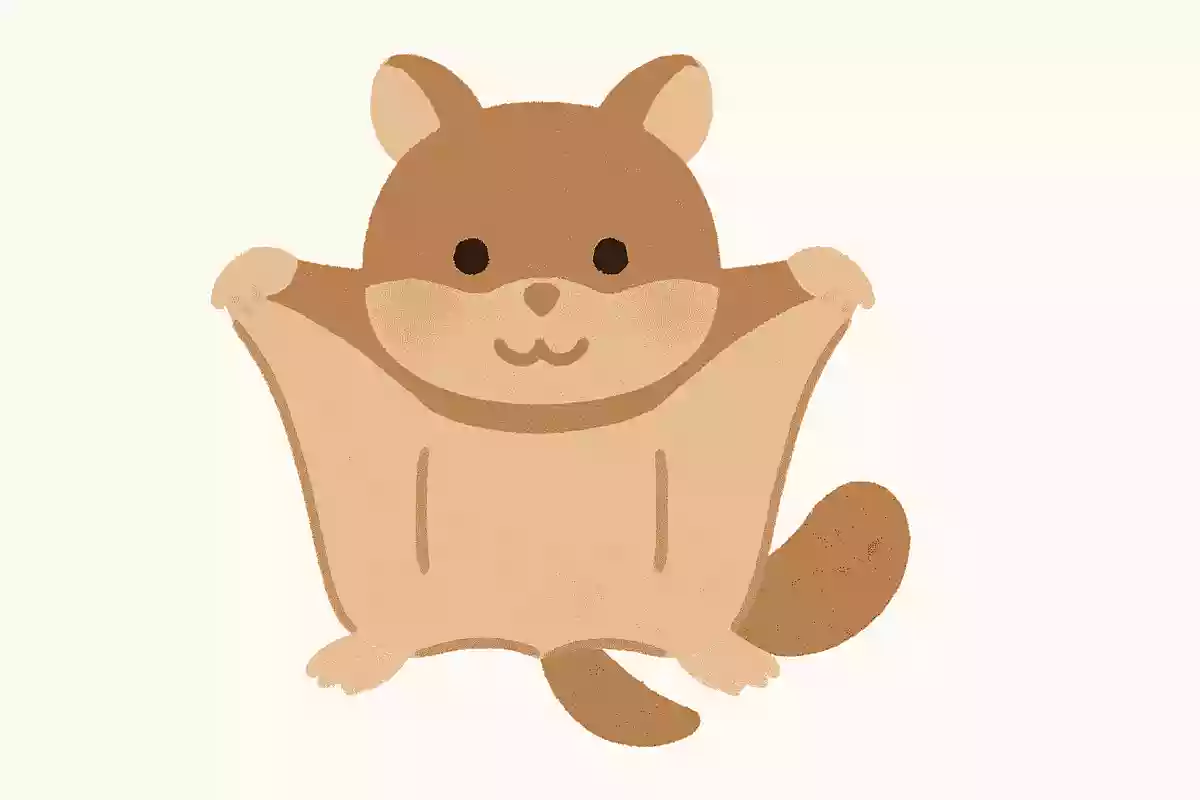
“6331” is a Japanese number pun that stands for “musasabi” (Japanese giant flying squirrel).
People often confuse them, but musasabi and momonga (dwarf flying squirrel) are actually different animals.
Musasabi are smaller and are characterized by a membrane on their hind legs for gliding.
Try using this number pun while picturing their adorable appearance—it’s sure to lift your spirits.
4126good bath
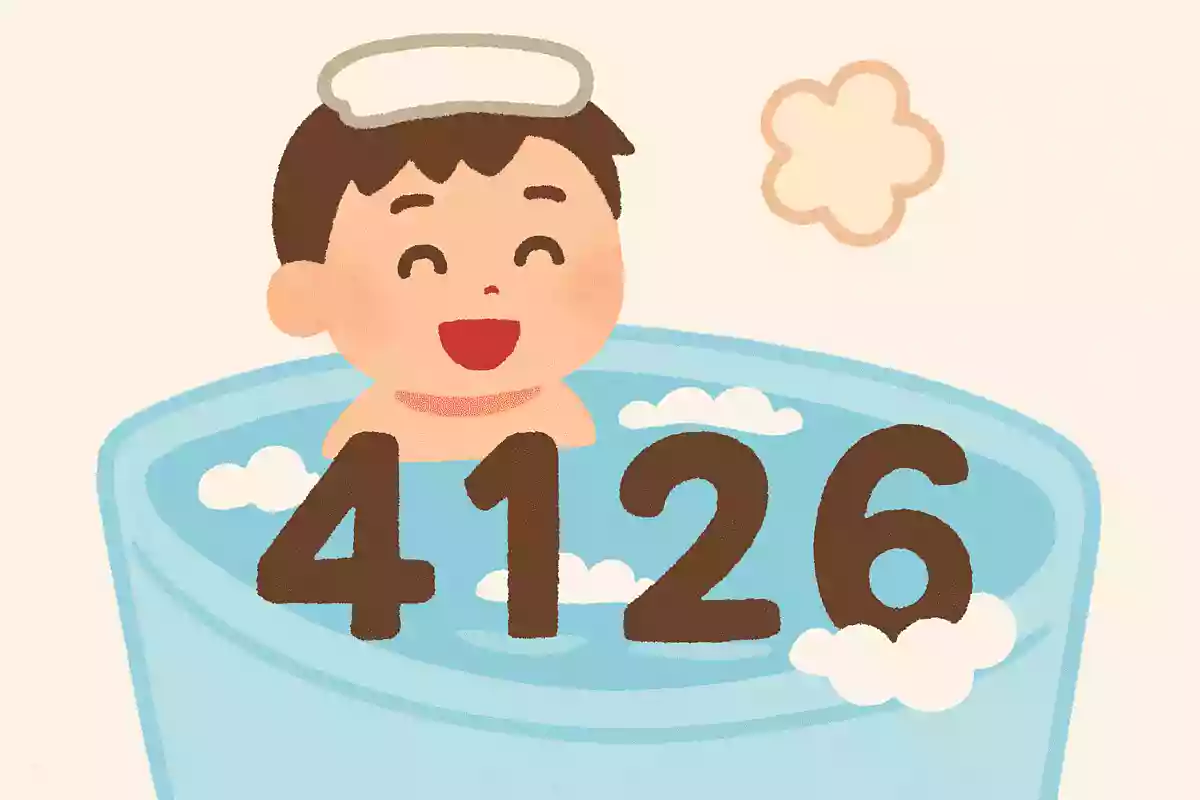
A bath is important for refreshing yourself from the day’s fatigue, and for some people it might even be the highlight of their day.
This passage conveys the joy of taking a bath to refresh yourself, using “4126,” which can be read as “yoi furo” (good bath).
Since “41” can be read as “yoi” (good) through wordplay, it can be combined not only with “26” (furo, bath) but also with other words.
For those who consider bath time the best part of the day or simply love baths, this is a number sequence you’ll want to remember.

Cute and funny mnemonics (21–30)
4687white flower
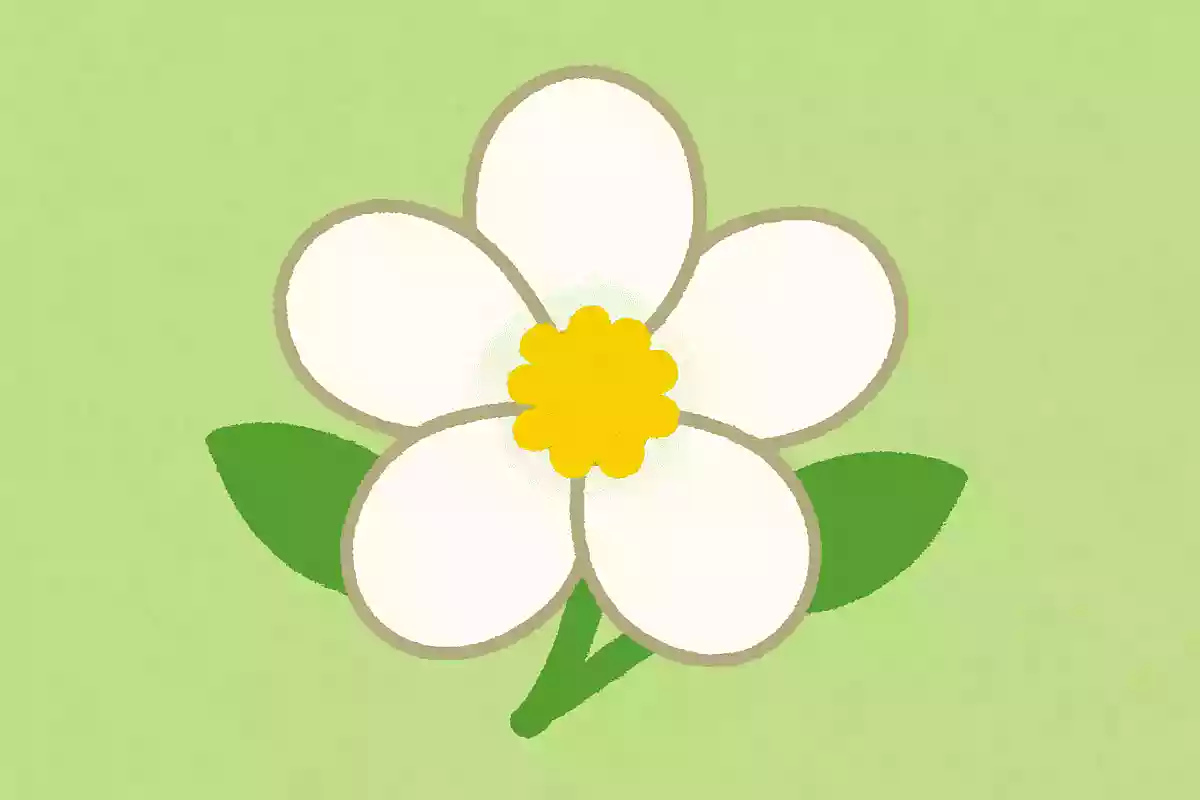
There’s a number pun, 4687, that can be used to convey various messages.
It’s read as “shiroi hana” (white flower).
How about using it while thinking of the meanings associated with white flowers? For example, white lilies symbolize purity and nobility, and kalanchoe can express the wish to protect someone important.
There are many other meanings for white flowers, so try doing some research!