


Food names starting with “ne,” categorized by character count

Do you have any words that immediately come to mind that start with “ne”? In word games like crosswords or shiritori, words beginning with “ne” seem few and rather tricky.
Here, we’ll introduce a curated list limited specifically to food names that start with “ne.” They’re organized by character count, so you’re sure to find something useful for the right situation.
Some entries may even make you think, “I didn’t know that was a food name!” Add these to your knowledge and try using them in word games!
2 characters (1–10)
screw

It’s a local dish from Chichibu in Saitama, and its name comes from the way it’s twisted when made.
People who don’t know the dish will probably picture a hardware screw, so I can already hear the jokes about it not being food.

green onion
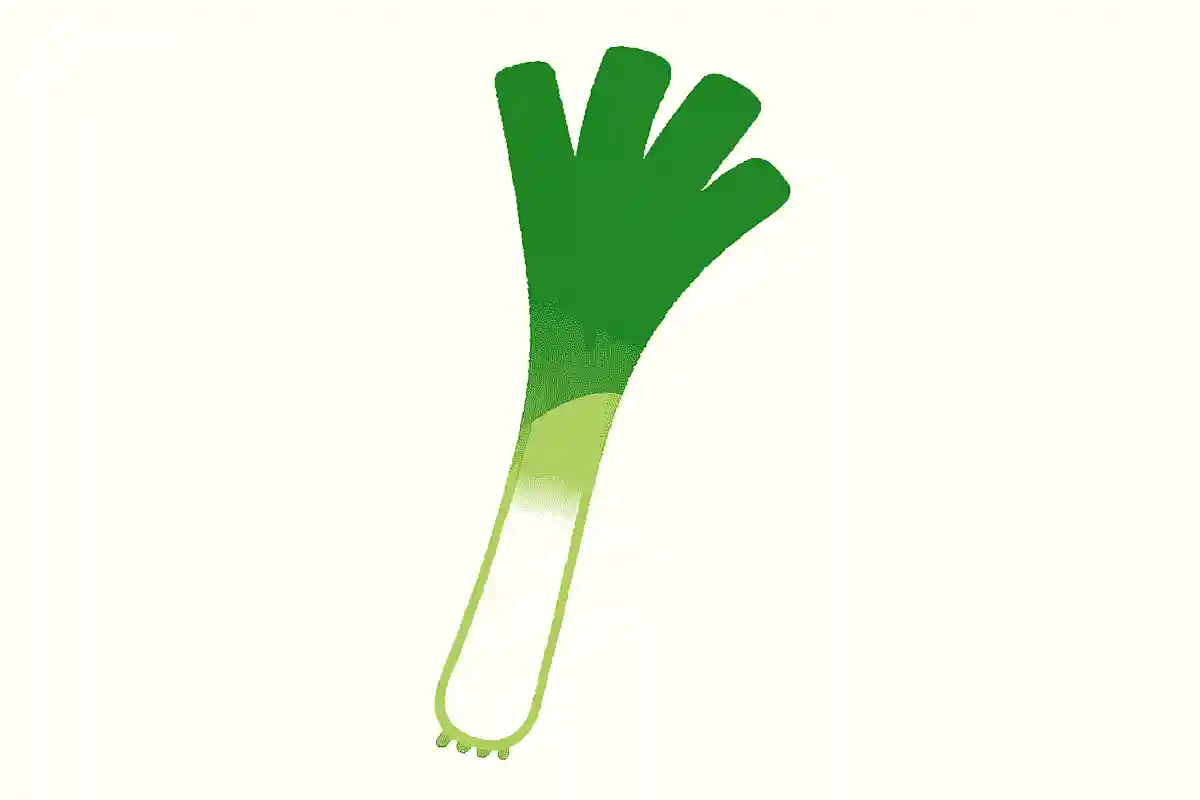
It’s a classic condiment that everyone knows.
It might be interesting to expand on it by exploring different types of green onions and dishes that use them.
3 characters (1–10)
negima (skewers alternating chicken and scallion; also, a portmanteau name for green onion “negi” and tuna “maguro” in sushi contexts)
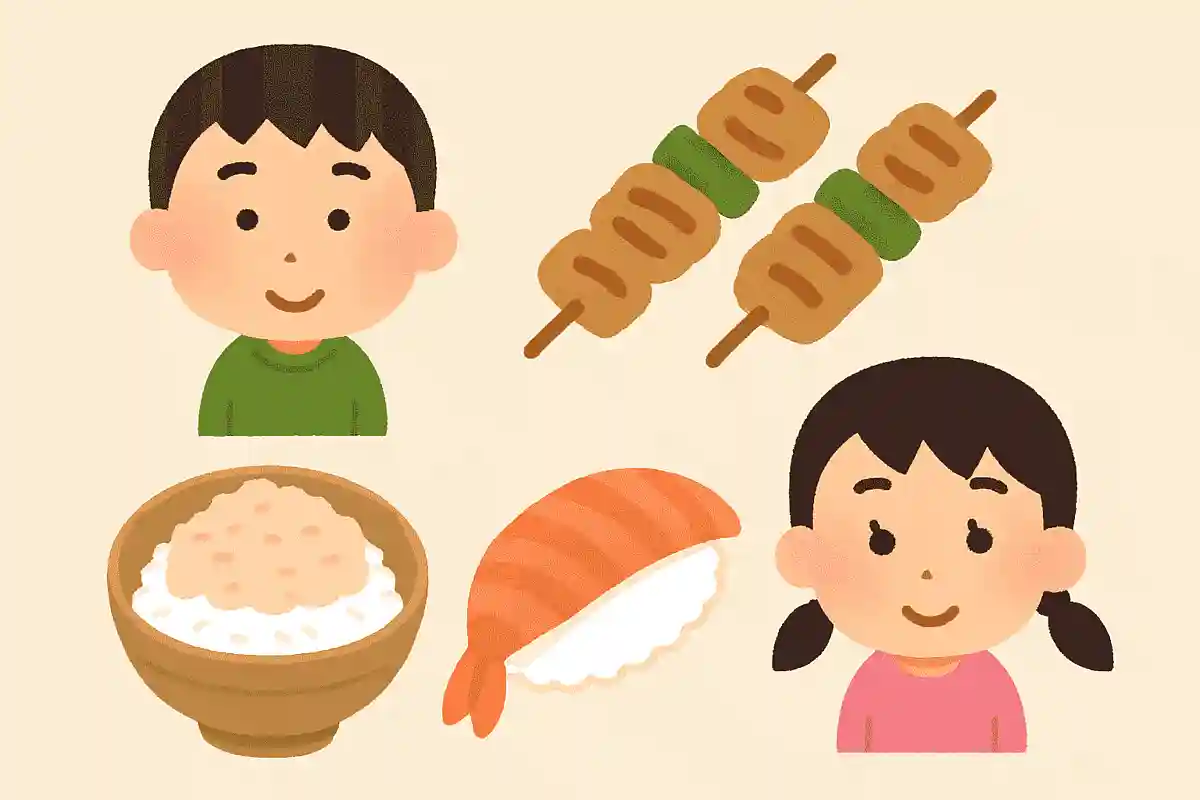
While yakitori typically evokes the image of skewers with chicken and scallions, the name actually comes from dishes like negima-nabe and negima-jiru, which use scallions and tuna.
Nezushi

This is a local dish cherished as a New Year’s food in Hida, Gifu Prefecture.
Its name comes from the idea of “letting it rest,” reflecting the food culture of Hida.
4 letters (1–10)
Negitoro
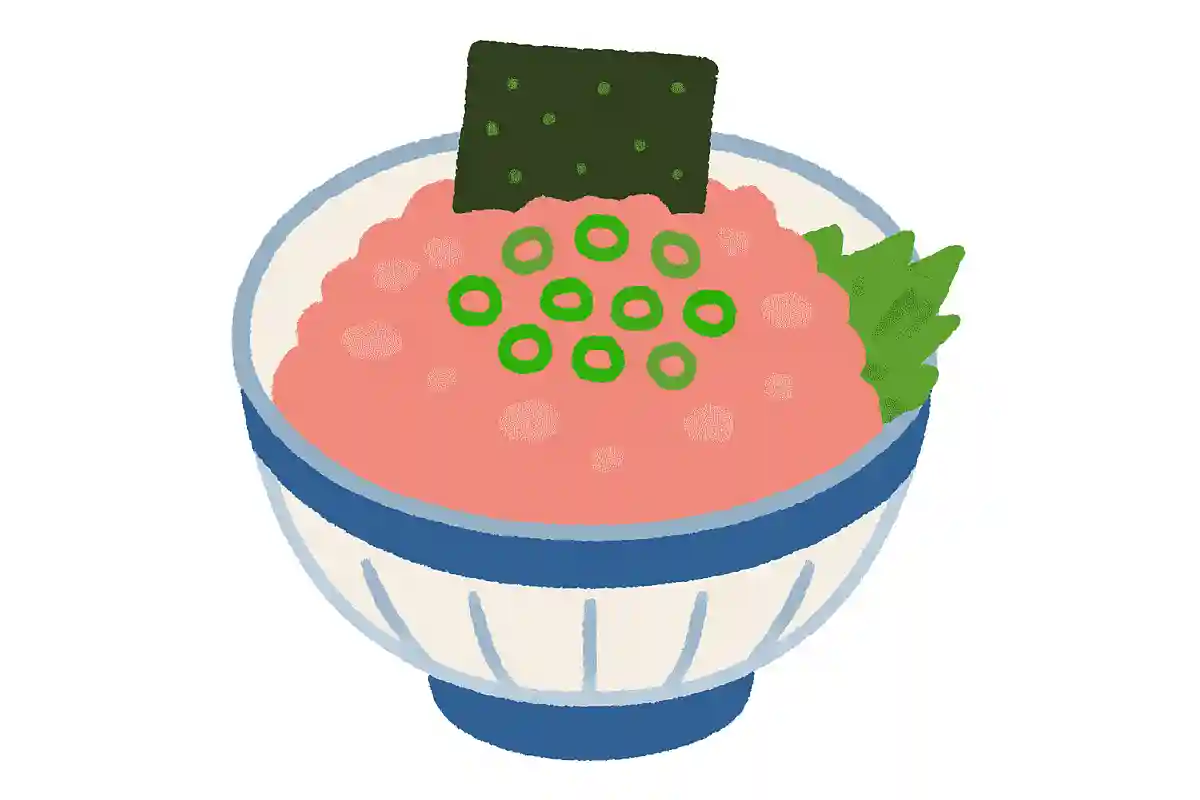
It’s also a classic item used as a filling for sushi rolls and as a topping for rice bowls.
The name is said to come not from using green onions and fatty tuna, but from ‘negi-toru,’ meaning to scrape the tuna meat from the bones.
ne-kombu (root kelp)

This ingredient is made by cutting out the root part of kelp, known for its strong stickiness.
Rather than being used for stock like other parts, it’s more commonly used directly in cooking.
nerikiri (nerikiri)
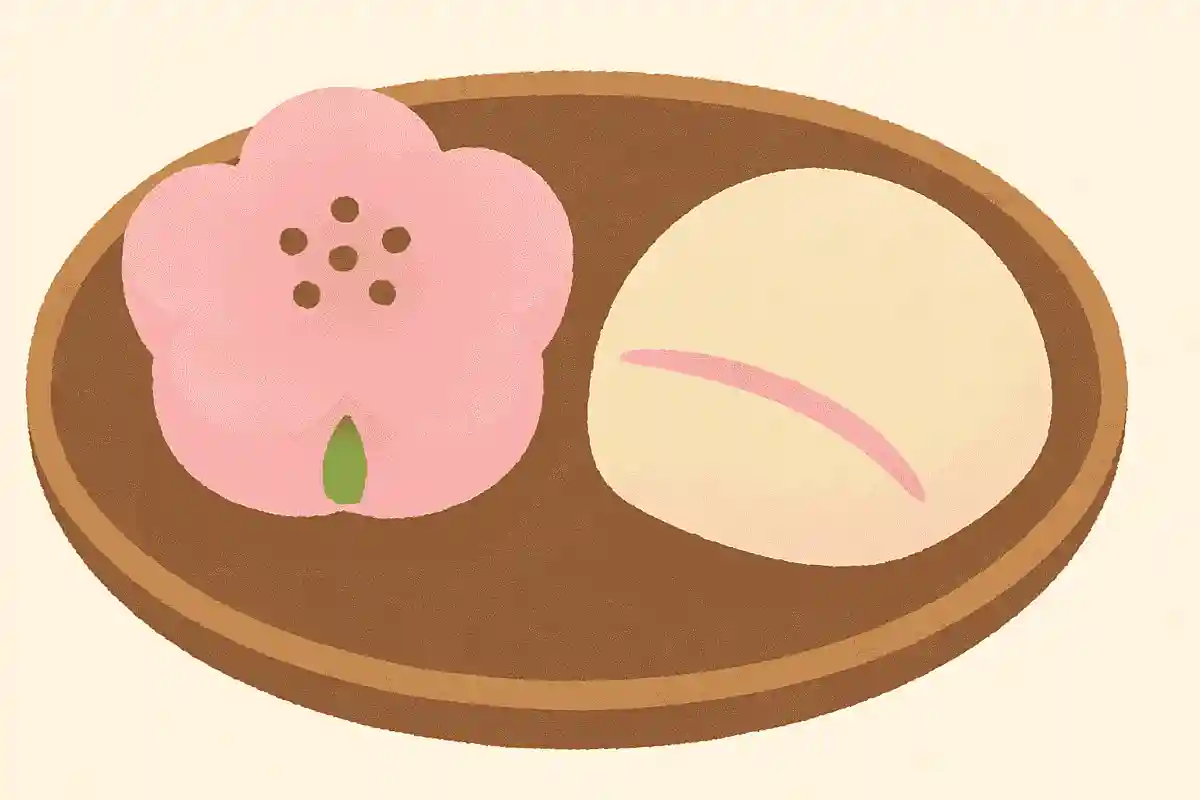
Among wagashi, this confection is often regarded as a quintessential example of jōnamagashi (high-grade fresh sweets).
It’s a kind of “edible art” that lets you enjoy the beauty of color gradients and forms.