

Ensemble Performances by Older Kindergarteners Heat Up! A Collection of Recommended Song Ideas for Recitals


There are likely many ensemble pieces performed at senior kindergarteners’ recitals and graduation ceremonies.
Playing in an ensemble with all the children together not only creates fun memories but also provides an important opportunity to foster the joy of making music together and to develop expressive skills.
Here, we introduce recommended ensemble pieces that senior kindergarten children can enjoy performing.
We’ve gathered popular selections among nursery and kindergarten teachers, spanning a wide range of genres from pop to classical.
Enjoy performing together as a team and make lasting memories.
- I Want to Sing at the Kindergarten Seniors’ Recital! A Collection of Moving Song Ideas That 6-Year-Olds Can Sing with All Their Heart
- Recommended Songs to Try on the Melodica for Kindergarten Seniors
- Choral songs that captivate 4-year-olds! A collection of heartfelt song ideas for junior kindergarten recitals
- Recommended for 5-year-olds! A collection of ideas for plays and dances for senior kindergarteners’ performances
- I want to sing it at the senior class recital! A choral piece that 5-year-olds can sing with all their heart
- [Childcare] A collection of recommended melodica (pianica) songs for 4-year-olds
- Piano Masterpieces: Surprisingly Easy Despite Sounding Difficult!? A Curated Selection Perfect for Recitals
- Get pumped with kids’ favorite songs! A memorable collection of classics that will make you want to sing along
- Disney Classics on Piano: A Curated Selection of Easy Pieces, Perfect for Recitals
- [Ensemble Pieces for Elementary School Students] A comprehensive introduction from timeless classics to the latest hits!
- [Classical Music] All pieces under 3 minutes! A collection of short and cool piano pieces
- [Graduation Ceremony] Tear-Jerking! A Collection of Farewell Words and Message Ideas
- Popular Disney songs for kids | Fun Disney songs
Ensemble Performances by Senior Kindergarteners Heat Up! A Collection of Recommended Pieces for Recitals (31–40)
Friendship HymnSakushi: Sakata Hiroo / Sakkyoku: Amerika Min’yō

This is a bright, energetic song with the theme of the importance of friendship.
Set to the melody of an American folk tune with Japanese lyrics, it’s characterized by a lively rhythm and approachable words.
It spread from the 1970s to the 1980s and has been beloved as part of school education and choir repertoires.
It’s perfect for entrance ceremonies to ease the nerves of new students.
If everyone holds hands, forms a circle, and sings while dancing, smiles are sure to appear naturally.
I think it’s a wonderful song that creates a warm atmosphere to celebrate meeting new friends.
stroll
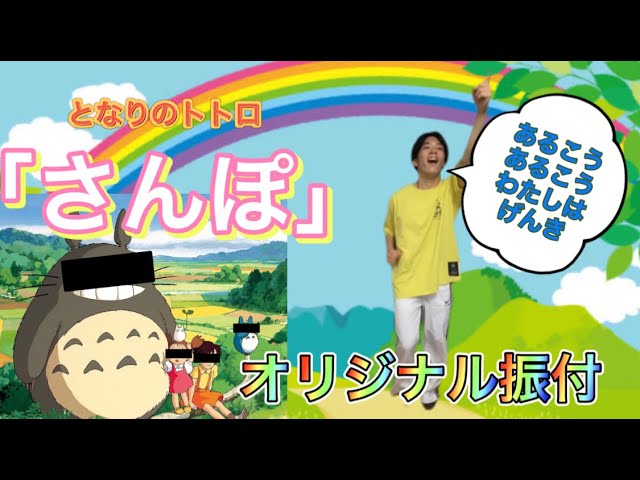
Sampo, the opening theme of Studio Ghibli’s film My Neighbor Totoro released in 1988, is a hugely popular song among children of every generation.
Its bright rhythm that makes you want to start walking, along with lyrics that seem to capture the joys kids discover on a stroll, make singing it feel like going on an adventure! The song is also popular as a dance tune, so it’s fun to come up with choreography that matches the words and try dancing to it.
Perfect as BGM or for dances at school sports days!

Anpanman’s March
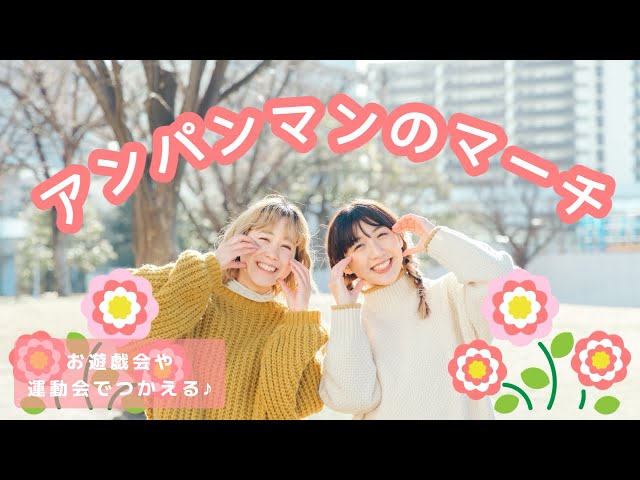
When it comes to characters beloved by infants and toddlers, Anpanman is at the top of the list! Many children probably know the song Anpanman no March, which became the opening theme for the anime “Soreike! Anpanman.” The lyrics conjure up the image of the kind and strong Anpanman, and you can just imagine kids striking poses as if they were Anpanman themselves.
While it’s common to enjoy dancing with original choreography, trying your hand at playing it on an instrument is also highly recommended!
My Neighbor TotoroInoue Azumi

Azumi Inoue’s theme songs from Studio Ghibli films are beloved by children and are perfect for the melodica.
Let’s play them while recalling scenes from the movies, carried by their gentle melodies.
It’s also fun to express elements from the lyrics—like rain, the moon, and the ocarina—together with the children through sound.
The slow tempo makes it easy for everyone to play in sync.
If you perform at a recital, the parents are sure to be pleased.
It can also spark children’s imaginations about nature and mysterious creatures.
Frog ChorusSakushi: Okamoto Toshiaki / Sakkyoku: Doitsu kyoku
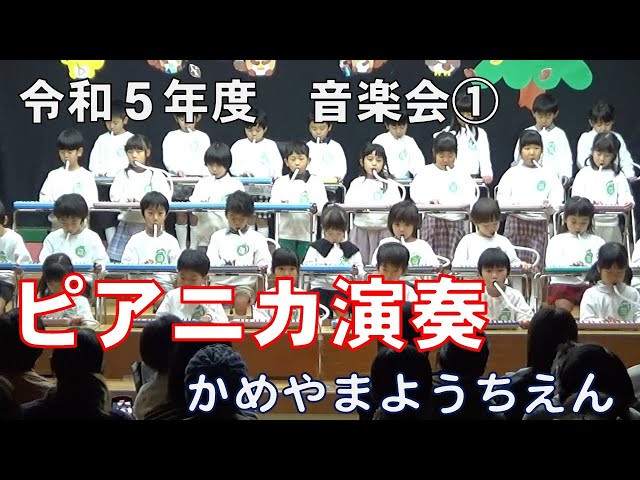
The defining feature of “Kaeru no Gasshō” (Frog Chorus) is, above all, its canon style, where the same melody is sung in a round.
Layering the melody with many voices makes it a delight for listeners as well.
The main theme is a familiar tune you may have heard or sung somewhere.
Based on a 19th-century German children’s song, “Kaeru no Gasshō” is very simple and easy to perform, so it works at a slow tempo or an upbeat one.
Even small children in kindergarten can enjoy practicing and performing it.

Ensemble performances by the oldest kindergarteners heat up! A collection of recommended song ideas for recitals (41–50)
[Ensemble] 100% Courage
![[Ensemble] 100% Courage](https://i.ytimg.com/vi/IruNLPZ4wUU/sddefault.jpg)
How about using “Yuuki 100%” for the recital ensemble? This song is one of the pieces often performed at daycare centers and kindergartens, and it’s very familiar to children.
It’s also appealing that, with the teacher playing the main piano part, the piece can be performed using only percussion for the rest.
It’s an uplifting song that gives you energy when you listen to it, so practice should be enjoyable, too.
Try having fun with the arrangement—sing while playing, or switch instruments partway through.
Santa Claus is coming

There is a classic winter song, filled with Santa Claus’s kindness and joy, that is beloved by children.
Born in October 1934, this piece has captured the hearts of children around the world.
Its melody is easy for kids to become familiar with, and the rhythm is pleasant, heightening their sense of excitement.
When combined with the pure tones of handbells, it creates an even more Christmas-like atmosphere.
Featured in films such as “Santa Claus,” it has become an indispensable song for the Christmas season.
As children perform it together with their friends, they can also cultivate the joy of cooperation through music.