

Iconic ballads of 90s J-pop: nostalgic mega-hits and fan favorites


The 1990s J-pop scene saw CDs sell in huge numbers and one million–selling hits being released one after another.
Songs from that era are still loved across generations, and many younger music fans likely listen to those tracks on streaming services.
In this article, we’ll spotlight recommended songs among the countless classics and hits of ’90s J-pop, focusing specifically on its most popular ballads.
From beautiful, stripped-down masterpieces centered on vocals and guitar to rock-tinged ballads, enjoy a selection of wonderful tunes whose choruses will have many people humming along.
- [Touching the Heart] Timeless Ballad Masterpieces. A Collection of Unfading Classics and the Latest Songs [2026]
- Tear-jerking J-pop from the ’90s. Hit songs and real tearjerkers.
- Ranking of Popular Songs by Japanese Male Singers from the 1990s [2026]
- A poignant ballad song. A tear-jerking masterpiece of Japanese pop music.
- Ranking of Popular Songs by Female Singer-Songwriters of the 1990s [2026]
- A roundup of hit love songs from the ’90s
- Cool songs from the Showa era. Masterpieces from Showa that shine with sensuality, passion, and rugged charm.
- Recommended ballads for men: classic songs about love, encouragement, and youth.
- A heartbreak song that was a hit in the 90s. Classic and popular tracks in Japanese music.
- Classic and hit J-pop songs from the nostalgic ’90s
- [Songs I'd love women to sing!] Popular ballads performed by female artists
- [J-Rock] Timeless masterpieces that colored the 1990s. Nostalgic hit songs.
- Winter songs in 90s J-pop: a roundup of popular winter tunes
Classic ballads of 90s J-POP: nostalgic mega-hits and fan favorites (71–80)
Happy endingOhtaki Eiichi

As the theme song for a Fuji TV Monday 9 p.m.
drama, this is a gem of a love song that Eiichi Ohtaki released for the first time in 12 years.
Its gentle, heartwarming melody and lyrics that carefully weave the feelings of a woman in love blend beautifully, leading to a massive hit of 970,000 copies sold since its release in November 1997.
Used in Love Generation, the song also marked Ohtaki’s first-ever Top 10 entry as a solo artist, showcasing his rich musicality to the fullest.
Portraying a sweet yet bittersweet love story, this track is highly recommended for those harboring feelings for someone special or wishing for a happy future with a loved one.
The Day Love Was BornFujitani Miwako, Ouchi Yoshiaki

A Day When Love Was Born was released as a duet by Miwako Fujitani and Yoshiaki Ouchi.
Featured as an insert song in the TV drama To You Who Will Marry Someday, it became a million-selling, smash-hit single.
Many people of that generation may have sung it as a karaoke duet.
With lyrics that evocatively portray a mature, bittersweet romance, it’s a ballad we’d love to see younger listeners sing as well.

Love Story Comes SuddenlyOda Kazumasa
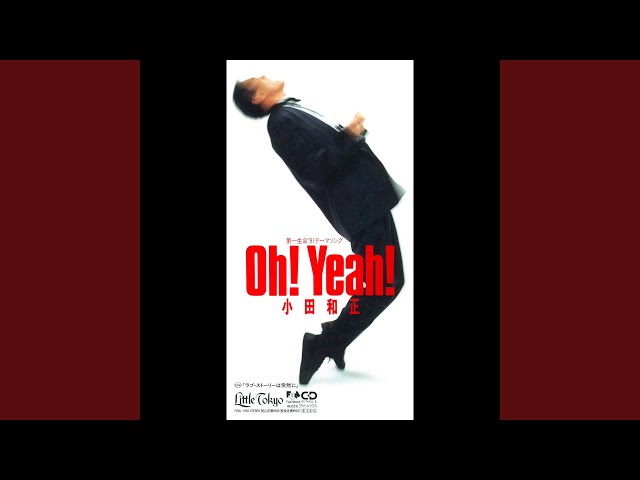
Kazumasa Oda is a singer-songwriter who rose to popularity with his high, airy vocals that evoke a sense of transience and his playful persona, and he remains highly active today.
Love Story wa Totsuzen ni, written as the theme song for Tokyo Love Story—an emblematic “trendy drama”—was initially included as the B-side to his sixth single, Oh! Yeah!.
Its floaty, urban arrangement still feels remarkably fresh even now.
It’s a pop tune whose massive success is easy to understand—the opening guitar alone can instantly bring back iconic scenes from the show.
LOVE〜Destiny〜Hamasaki Ayumi

Ayumi Hamasaki, who enjoyed immense popularity in the 1990s as a style icon for junior and senior high school girls and dominated the J-pop scene as the Heisei era’s songstress.
Her seventh single, released in April 1999, was a milestone that earned her first No.
1 on the Oricon Weekly Singles Chart.
It was also featured as an insert song in the Fuji TV drama “Semi-Double.” Written by Ayumi Hamasaki and composed by Tsunku♂, this ballad portrays the helpless, heartrending feelings of two people drawn together by fate.
Her emotionally rich vocals, carried by a beautiful piano melody, deeply move the hearts of listeners.
My Room, My Dress Shirt, and MeHiramatsu Eri

This is Eri Hiramatsu’s signature song, released in 1992 and loved for many years since.
Because its lyrics read like a set of “instructions” for a future husband, it’s often compared to Masashi Sada’s “Declaration of the Lord.” With this song, Hiramatsu won both the Japan Record Award and the Lyrics Award that year.
The many gentle, “please do keep these promises since I’m going to be your wife” requests feel like classic married-life scenarios—funny, a little bit scary, and touching in the end—making it easy to see why the song has endured.
It’s a ballad you’ll want to sing when you fall in love.
I can’t say it.Gō Hiromi

Hiromi Go, known for his trademark shout of “Japaan!!” that instantly fires up the crowd, actually has a wonderful trilogy of ballads—did you know? The three songs “Boku ga Donna ni Kimi o Suki ka, Kimi wa Shiranai” (You Don’t Know How Much I Love You), “Ienai yo” (I Can’t Say It), and “Aitakute Shikatanai” (I Can’t Help Wanting to See You) were all released in the ’90s and are equally recommendable—there’s no picking a favorite.
This song, “Ienai yo,” only peaked at No.
27 on the Oricon charts, but it still won that year’s Cable Radio Grand Prize.
Proof of his solid, enduring popularity.
Also pay attention to the lyrics by Chinfa Kan, brimming with the delicate nuances of love: being so considerate of the other person that you can’t bring yourself to confess your feelings.
RESPECT the POWER OF LOVEAmuro Namie

After returning from maternity leave, Namie Amuro’s 13th single, released in March 1999, is a powerful anthem that stirs the listener’s soul.
Sung over a grand, gospel-infused sound, it delivers a universal message of believing in the power of love and facing adversity head-on.
The song’s overwhelming vitality fused with her commanding vocals gives listeners the courage to live.
It was also featured in a KOSE “VISEE” commercial and included on the acclaimed album GENIUS 2000.
The fact that Amuro herself said, after overcoming the tragedy that occurred on the release day, “I’m truly glad it was this song,” speaks to the depth of its message.