

A collection of quotes from people of the past: messages from famous military commanders and great figures of the world.

Famous Japanese military commanders and world-renowned great figures have left behind many memorable quotes over the course of long history.
In this article, we’ll introduce quotes from such figures of the past!
Among the sayings they left us are words that inspire people living today, expressions that convey stern strength, and insights that can serve as hints when taking action—each filled with various sentiments.
When you’re unsure about something in life or facing a moment that makes you feel like giving up, please take a look at the quotes we introduce.
- Heartfelt! Inspiring Quotes Left by Great Figures of Japan
- Quotes from great figures that give us the power to live
- Recommended as life tips! A collection of short, memorable quotes from great figures
- If you know them, they’ll surely guide your life! Important words to etch into your heart
- Famous quotes everyone knows, including words from great figures and characters
- Words from famous people that I’d like to adopt as my motto. Inspiring quotes that convey the power of words.
- A cool one-line message of support
- It’s sure to resonate most with those who are striving! Words of encouragement from great figures and famous people.
- Gives you the power to face challenges! Inspiring words of courage from great and famous people.
- Quotes on Effort: A curated selection of passionate messages left by great figures and famous people
- Cherish each and every day! Let your life shine with profoundly moving, supreme quotes.
- Gives you the power to overcome entrance exams! Short quotes by great and famous people.
- Just remembering them fills you with courage! Striking quotes that touch the heart from great figures and famous people
Collection of quotes from people of the past. Messages from famous military commanders and world-renowned great figures (1–10)
Tighten your helmet strap after victory.Hōjō Ujitsuna
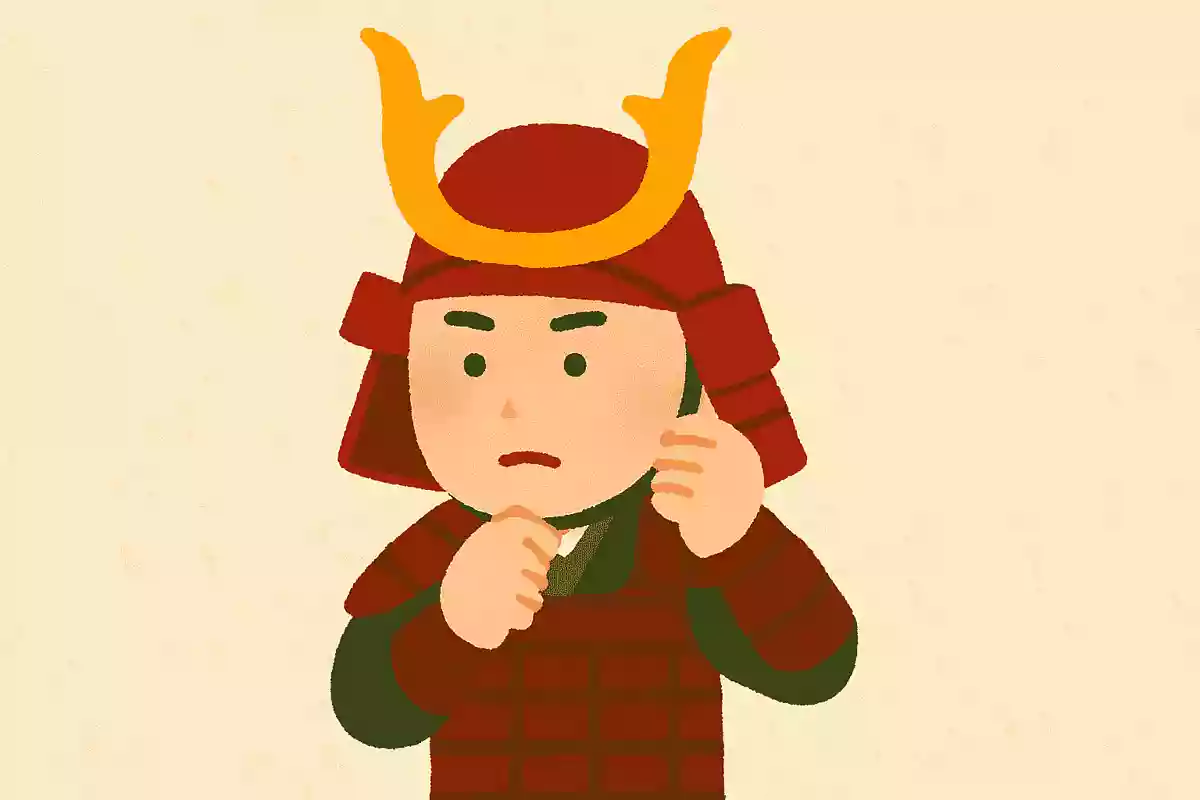
These are said to be the words left as a dying injunction by the Sengoku warlord Hōjō Ujitsuna.
The idea is that even if you think you’ve defeated the enemy and remove your helmet, you might be struck down from behind by another foe; therefore, even in victory, tighten the chinstraps of your helmet and prepare for the next battle.
In other words, it is precisely when you’ve won and are riding high that you must not become arrogant or let your guard down.
This saying expresses a crucial perspective in contests, and in the modern era it points to an important mindset that applies universally—to sports, work, academics, and more.

Genius is one percent inspiration and ninety-nine percent perspiration.Thomas Edison
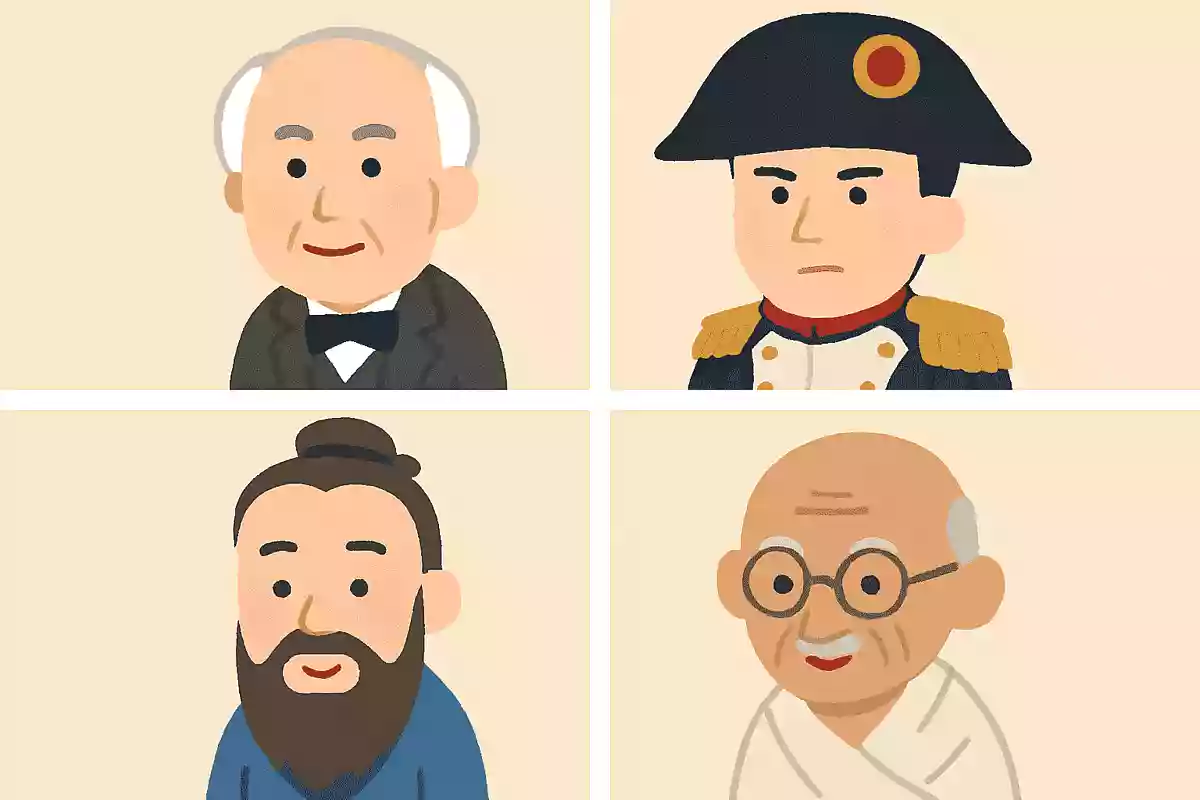
While searching for a suitable filament material, Mr.
Edison made 100 failures.
When it was pointed out that he had failed 100 times, he famously responded with a positive remark: “I have discovered 100 materials that are not suitable for filament.” If you’re someone who tends to give up, saying things like “It’s no good” or “It’s impossible,” please keep this story in mind.
This famous quote of his is especially recommended for those who feel down, thinking, “I don’t have any talent…” Even Edison, celebrated as a genius, put in tremendous effort.
There is no such word as ‘impossible’ in my dictionary.Napoleon Bonaparte
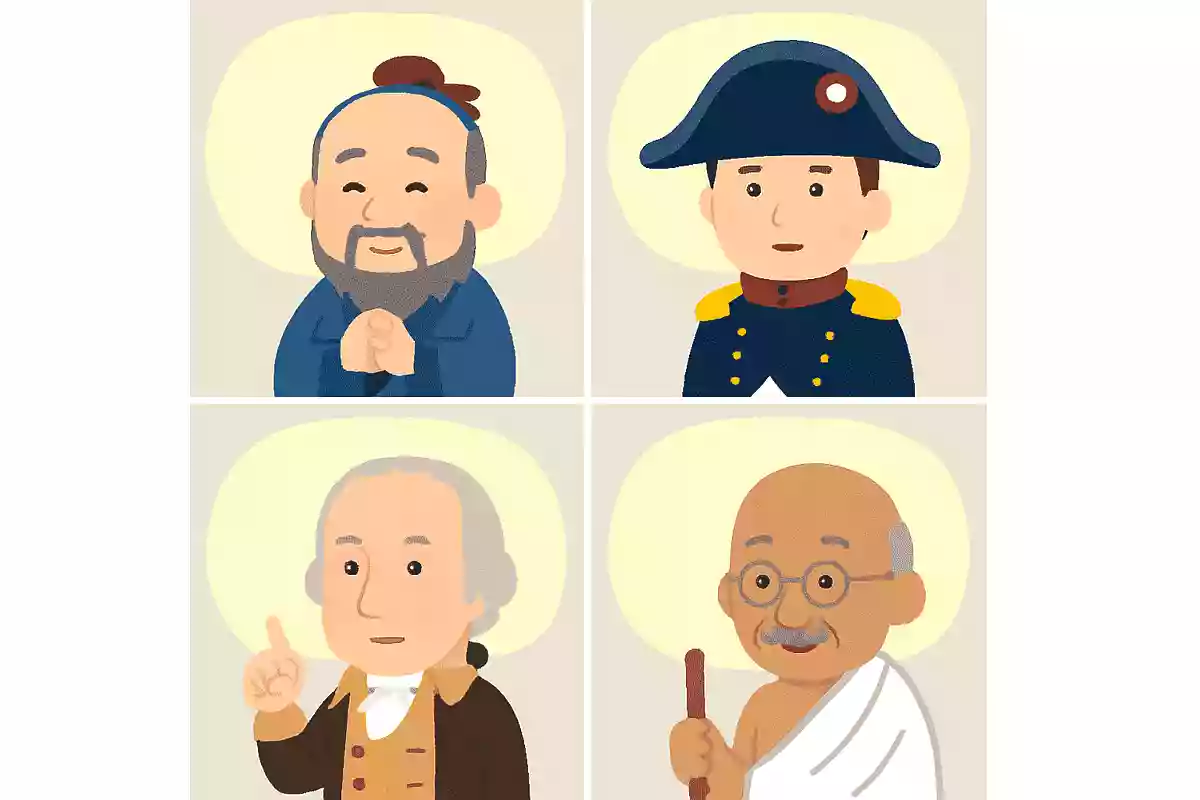
It’s a famous quote by Napoleon Bonaparte that even small children know.
It’s a saying only Napoleon—who pushed forward with the spirit of “if you try, you can do it”—could have left us, and I think it teaches the importance of taking on challenges without assuming something is impossible from the start.
Napoleon also left many other famous quotes, such as “A leader is a dealer in hope.” If you’re feeling a bit short on courage or energy, definitely take them to heart!
Collection of quotes from historical figures: Messages from famous warlords and globally renowned greats (11–20)
Boys, be ambitious.William Smith Clark
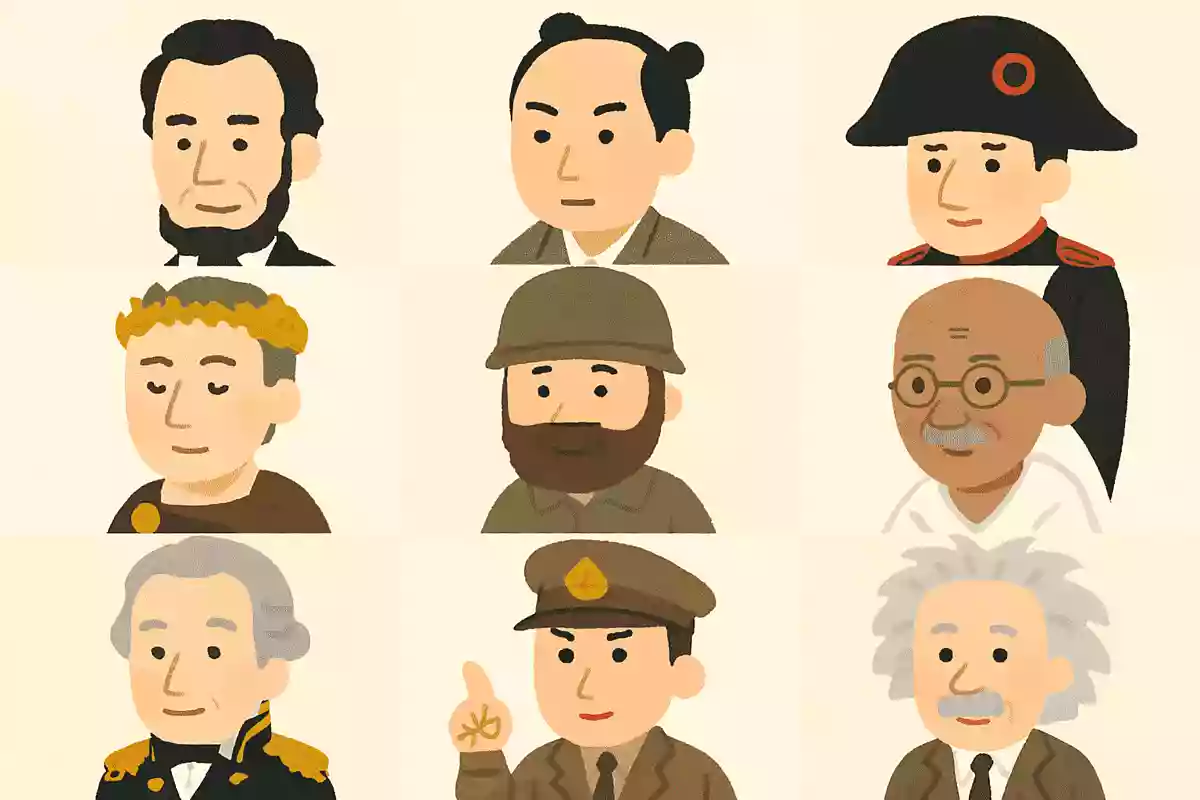
At a predecessor of Hokkaido University, Dr.
William S.
Clark taught the most up-to-date American agriculture.
Because of his achievements, he came to be known as the “Father of Hokkaido’s Development.” When visiting Sapporo, many people strike the same pose as Dr.
Clark’s statue and take a commemorative photo.
Perhaps, thinking of agriculture on the vast American mainland, far larger than Hokkaido, Dr.
Clark hoped his Japanese students would study with ever-greater enthusiasm—“more, more.” Not only boys but girls, and adults too, need aspiration.
This is one of those famous sayings to remember when you lose your way in life.
We make a living by what we get, but we make a true life by what we give.Winston Churchill
Winston Churchill of the United Kingdom, who moved from a military career into politics, held various posts, served as Prime Minister, and also flourished as a writer.
The words he left behind express what a true life is.
They carry the message that while we must work and earn in order to make a living, we must give to others in order to make a life.
The key to enriching our lives is not only to gain things for ourselves, but to become able to give something to others.
These are words to cherish for living better and making life richer.
Those who plan for the long term prosper; those who focus only on the near term grow poor.Ninomiya Sontoku
Sontoku Ninomiya, also known as Kinjiro Ninomiya, was a figure from the Edo period.
He advocated the Hōtoku philosophy and devoted himself to the revitalization of rural villages.
Here is a saying he taught while working on rural restoration.
A “person who plans for the distant future” is someone who can look ahead, while a “person who plans for the near term” refers to someone fixated on immediate gains and unable to think beyond them.
In the passage that follows this saying, examples of “planning for the distant future” include sowing seeds in spring to harvest in autumn and planting cedar trees that will grow splendidly a hundred years from now.
This way of thinking remains very important even today.
If you want to become someone irreplaceable, you mustn’t just do the same things as everyone else.Coco Chanel
Coco Chanel, who thrived as a fashion designer and remained one until her later years, is said to have paid attention to everything surrounding women—jewelry, haute couture, handbags, and more.
In particular, Chanel No.
5 feels like a product that embodies her very essence.
Her words, which continue to captivate women to this day, gently advise us: “It’s no good doing the same as everyone else.” The moment you think, “I want to copy that successful person and become successful too,” you’ve already lost something.
If you’re thinking of starting something new, keep her words close to your heart.