

A collection of quotes from people of the past: messages from famous military commanders and great figures of the world.

Famous Japanese military commanders and world-renowned great figures have left behind many memorable quotes over the course of long history.
In this article, we’ll introduce quotes from such figures of the past!
Among the sayings they left us are words that inspire people living today, expressions that convey stern strength, and insights that can serve as hints when taking action—each filled with various sentiments.
When you’re unsure about something in life or facing a moment that makes you feel like giving up, please take a look at the quotes we introduce.
- Heartfelt! Inspiring Quotes Left by Great Figures of Japan
- Quotes from great figures that give us the power to live
- Recommended as life tips! A collection of short, memorable quotes from great figures
- If you know them, they’ll surely guide your life! Important words to etch into your heart
- Famous quotes everyone knows, including words from great figures and characters
- Words from famous people that I’d like to adopt as my motto. Inspiring quotes that convey the power of words.
- A cool one-line message of support
- It’s sure to resonate most with those who are striving! Words of encouragement from great figures and famous people.
- Gives you the power to face challenges! Inspiring words of courage from great and famous people.
- Quotes on Effort: A curated selection of passionate messages left by great figures and famous people
- Cherish each and every day! Let your life shine with profoundly moving, supreme quotes.
- Gives you the power to overcome entrance exams! Short quotes by great and famous people.
- Just remembering them fills you with courage! Striking quotes that touch the heart from great figures and famous people
Collection of quotes from people of the past. Messages from famous samurai warlords and world-renowned great figures (21–30)
Find a way. If there isn’t one, make one.Hannibal Barca
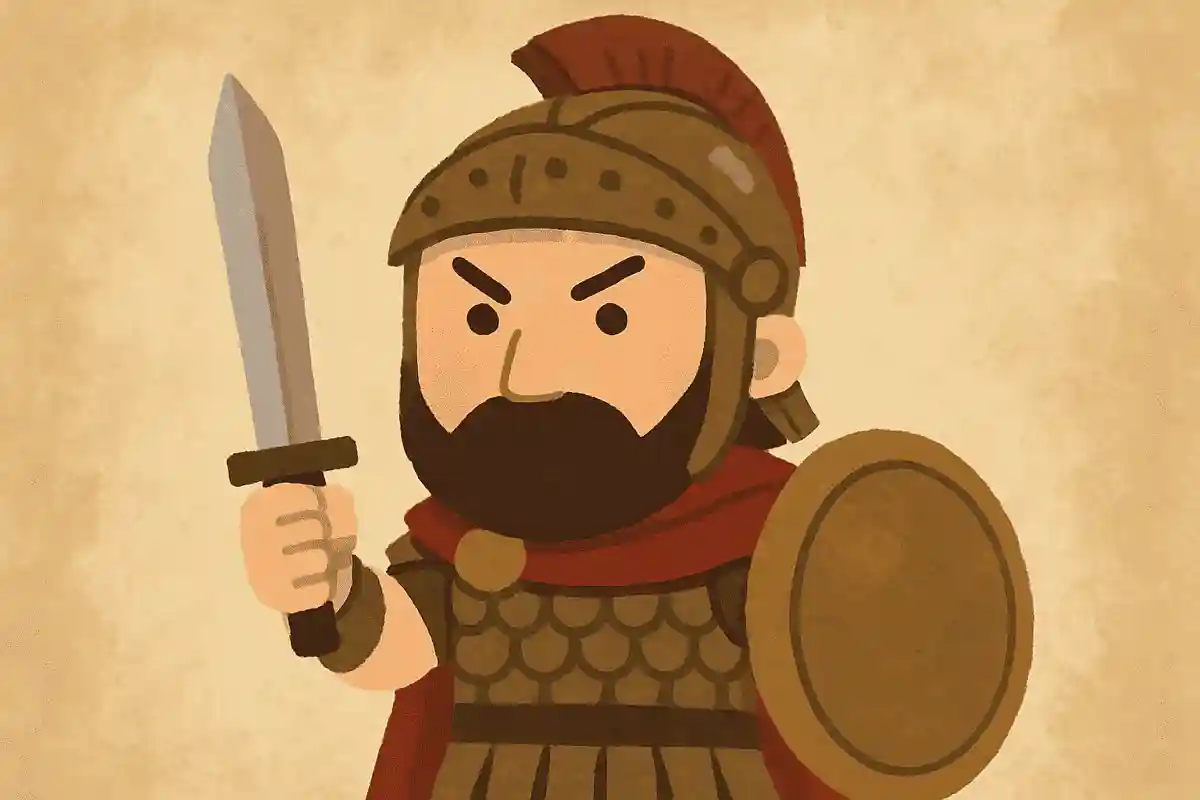
Hannibal Barca, renowned as Carthage’s great general who defeated the Roman army at the Battle of Cannae.
This famous quote is undeniably the powerful words of a true commander.
In 221 BCE, at the young age of twenty-six, he became the army’s commander and achieved numerous victories.
Perhaps this was because, as the quote suggests, he constantly sought ways to win, and if none could be found, he would create them himself.
His lofty ambition and unwavering resolve elevated him to a great general and made him a figure remembered and spoken of to this day.

Your happiness in life depends on the quality of your thoughts.Marcus Aurelius Antoninus
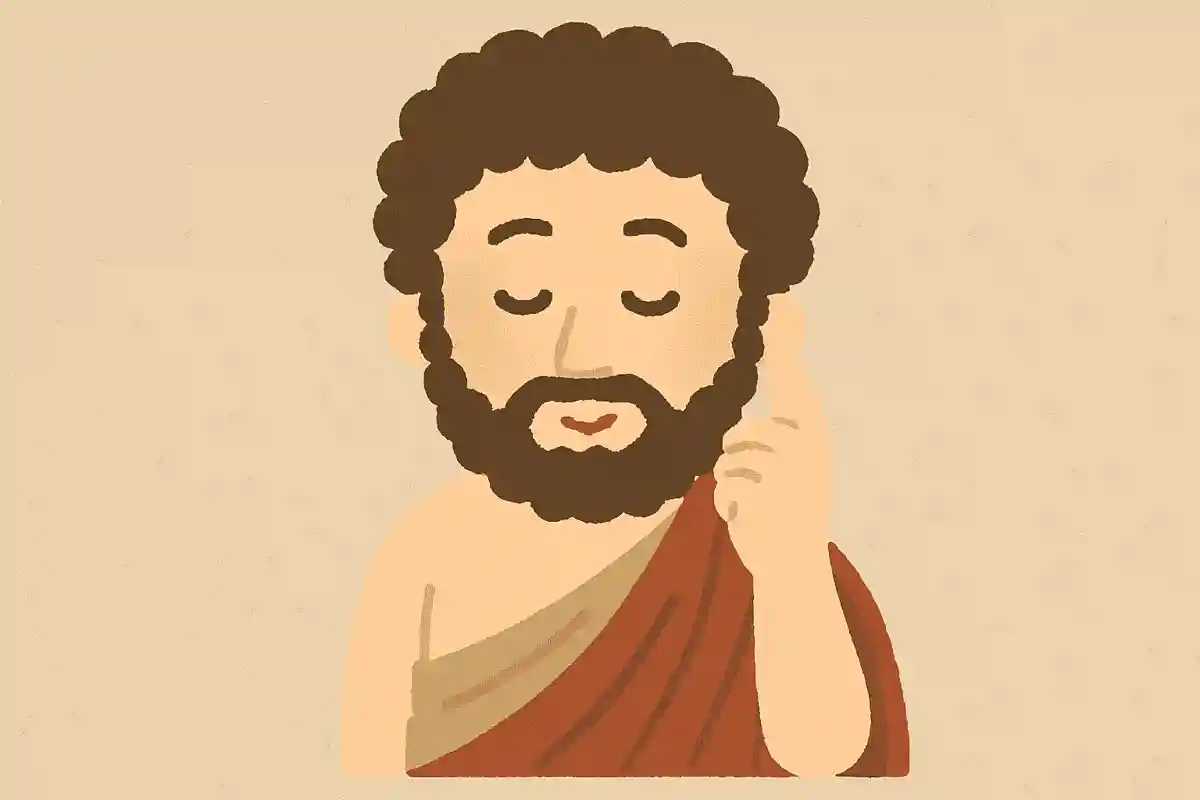
Marcus Aurelius Antoninus, one of the Five Good Emperors and the 16th Roman emperor.
He is also known for leaving behind his work Meditations, and can be regarded as a model of a philosopher-king who preferred learning over war.
He was also a thinker within Stoic philosophy.
The happiness of life changes according to the quality of one’s own thoughts.
Controlling the mind and emotions through thought also affects how we ultimately interpret things.
In other words, a single way of thinking can make you happy—or unhappy.
People deserve praise or blame solely based on whether they have the perseverance to see things through.Leonardo da Vinci

Leonardo da Vinci, a master artist of the Renaissance known for The Last Supper and the Mona Lisa.
From this quote he left behind, we can sense the importance of perseverance.
The ability to carry through without abandoning what you have decided to do is essential for success.
By continuing to make efforts without giving up until the end, people earn praise and etch their names into history.
Leonardo da Vinci is known as a remarkably versatile figure, even called a “universal genius.” Perhaps it was precisely because he possessed this power of perseverance.
As you stretch yourself to broaden your horizons, it’s possible you’ll actually grow taller. That’s part of what makes life interesting.Saburō Shiroyama
This quote left by the novelist Saburō Jōyama teaches us the importance of taking on challenges.
Don’t you sometimes find yourself thinking with a narrow perspective? It’s easy to let yourself be carried along without broadening your view or attempting anything new.
But if you widen your perspective just a little, you may realize that what you face is easier to overcome than you thought.
When you stretch yourself to take on a challenge, you begin to see a different landscape—as if you’ve actually grown taller.
When you want to take that first step, remember these words.

Those who do not advance will surely fall back, and those who do not retreat will surely advance.Yukichi Fukuzawa

These are words written in the book An Encouragement of Learning.
They are followed by: “It is a principle that there must not be those who, advancing neither forward nor backward, remain stagnant.” “Stagnation” means staying in the same place—in other words, maintaining the status quo.
Taken together with the preceding statement, it means that the only people who can move forward are those who keep advancing without retreat, and that if you try to maintain the status quo without striving to move ahead, you will inevitably fall behind.
It is important to always have the ambition to move at least a little further than yesterday and to keep taking on challenges.

I succeeded because I never made excuses and never allowed them.Florence Nightingale
@sachie3000 Quotes and sayings about the New Year; famous quotes; words that resonate with the heart; words that pierce the heart; words that resonate with the heart; collection of famous quotes
♪ Original song – sachie3000 – sachie3000
Florence Nightingale was the woman who established the world’s first school for training nurses.
Although her family opposed her decision to pursue nursing, she refused to give up and came to be known as the “mother of modern nursing.” This quote, born from her experience, reminds us of the importance of approaching matters with sincerity and a sense of responsibility, and of persevering to the end.
Excuses are nothing more than a temporary fix.
If you want to succeed at something, don’t make excuses—face reality earnestly and consider what you can do.
Strive not for success, but to become a person of value.Albert Einstein

For most people who want to accomplish something, the goal is likely to be success.
However, Albert Einstein, regarded as the greatest physicist of the 20th century, stated in this famous quote that we should strive to become a person of value rather than to be successful.
Success generally refers to gaining wealth or fame, but becoming too fixated on it can at times lead to unnecessary conflicts and friction with others.
When that happens, we distance ourselves from happiness.
To avoid this, perhaps he is teaching us that our talents should be used not only for ourselves but to truly help others, and that we should find value in that.