

A collection of quotes from people of the past: messages from famous military commanders and great figures of the world.

Famous Japanese military commanders and world-renowned great figures have left behind many memorable quotes over the course of long history.
In this article, we’ll introduce quotes from such figures of the past!
Among the sayings they left us are words that inspire people living today, expressions that convey stern strength, and insights that can serve as hints when taking action—each filled with various sentiments.
When you’re unsure about something in life or facing a moment that makes you feel like giving up, please take a look at the quotes we introduce.
- Heartfelt! Inspiring Quotes Left by Great Figures of Japan
- Quotes from great figures that give us the power to live
- Recommended as life tips! A collection of short, memorable quotes from great figures
- If you know them, they’ll surely guide your life! Important words to etch into your heart
- Famous quotes everyone knows, including words from great figures and characters
- Words from famous people that I’d like to adopt as my motto. Inspiring quotes that convey the power of words.
- A cool one-line message of support
- It’s sure to resonate most with those who are striving! Words of encouragement from great figures and famous people.
- Gives you the power to face challenges! Inspiring words of courage from great and famous people.
- Quotes on Effort: A curated selection of passionate messages left by great figures and famous people
- Cherish each and every day! Let your life shine with profoundly moving, supreme quotes.
- Gives you the power to overcome entrance exams! Short quotes by great and famous people.
- Just remembering them fills you with courage! Striking quotes that touch the heart from great figures and famous people
Collection of quotes from people of the past. Messages from famous samurai warlords and world-renowned great figures (21–30)
Life isn’t all about speeding up.Mahatma Gandhi

Mahatma Gandhi, known as the “Father of Indian Independence,” advocated nonviolent civil disobedience and led India, then a British colony, to freedom.
As part of the civil disobedience movement, he organized boycotts of British goods and staged a protest against the British salt tax known as the Salt March.
He was imprisoned multiple times for these actions, yet he never changed his beliefs and chose the path of patience.
This famous quote reflects that very stance.
These are words that could only come from someone like him, who, over a long period, earned the trust of the people and patiently sought a path to success.

Napoleon slept only three hours a night. There’s no reason I can’t accomplish what he could through effort.Hideyo Noguchi
These words express a strong resolve not to set limits on one’s effort.
Even great figures achieved success through extraordinary, sustained effort, and there is no reason we cannot do the same—this is the determination embedded here.
Of course, not everyone needs to push themselves on short sleep, but when you feel tempted to slack off, recalling this saying will naturally sharpen your focus.
Effort matters more than talent, and you can accumulate as much of it as you choose.
It’s a quote that gives you the power to go beyond your limits.

Collection of quotes from people of the past: Messages from famous military commanders and world-renowned great figures (31–40)
It wasn’t by chance that we made it back alive. This is our mission.Sandwich Man

These are words from Sandwichman, a comedy duo from Sendai, that express a determination to keep moving forward.
The key point is that at the time of the Great East Japan Earthquake, they happened to be in Kesennuma, Miyagi—one of the disaster areas—while filming a TV show.
They convey what it means that they survived: being alive in that place was both fate and a mission, and they believe they are called to walk forward and pass on the story to the future.
You can feel their love for their hometown and their resolve to carry it on their shoulders as they move ahead.

He who fails to prepare is preparing to fail.Benjamin Franklin
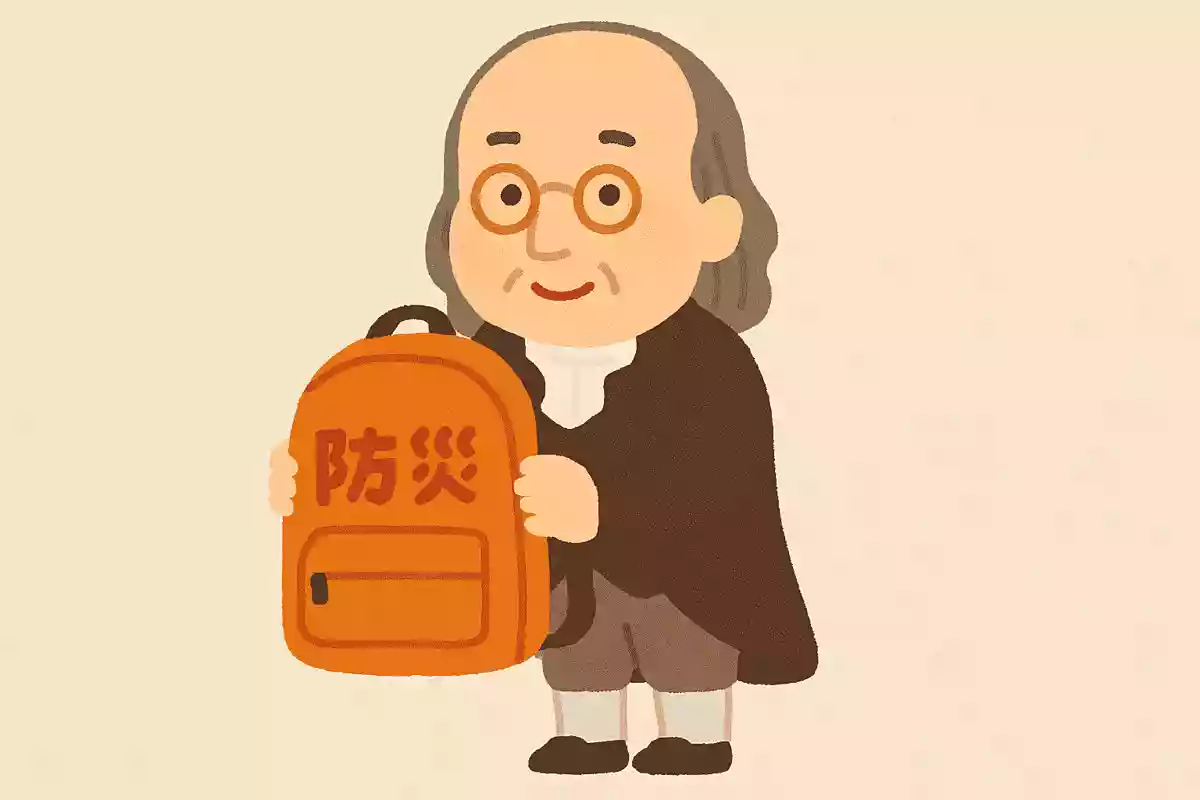
This is a famous quote by Benjamin Franklin—remembered as a Founding Father in the United States—about the importance of preparation.
It’s a saying that corrects the attitude of those who neglect to prepare, conveying that failing to prepare sets the stage for failure.
By deliberately expressing in a roundabout way that preparation is essential to avoid failure, it even evokes a sense of fear about failing.
The words also suggest that, to prevent all kinds of failures, it’s important to prepare broadly and thoroughly.
Beneath mud and earth lies solid rock; above clouds and mist shines the sun. At the height of discontent, there is still fortune, nor is hope absent.Kanzo Uchimura

I would like to introduce a famous saying by Kanzo Uchimura: “Beneath the mud lies bedrock; above the clouds and mist shines the sun.
Even at the height of complaint, happiness and hope are not absent.” Kanzo Uchimura was a Christian thinker active in the Meiji era.
Disasters can bring many hardships.
At such times, Uchimura left words he hoped we would remember.
It is said to mean that even when times are painful and difficult now, a stable and bright future surely awaits beyond.
He likens difficult situations to mud, and the bedrock represents the strength within us that lies beneath these serious problems.
Furthermore, he tells us that even when we feel or voice complaints, happiness and hope still exist.
Life brings all kinds of experiences, doesn’t it? Even so, we are reminded of the importance of maintaining a positive outlook.

Nature is an impartial and merciless enemy. Society is an unjust enemy with human sentiment.Soseki Natsume
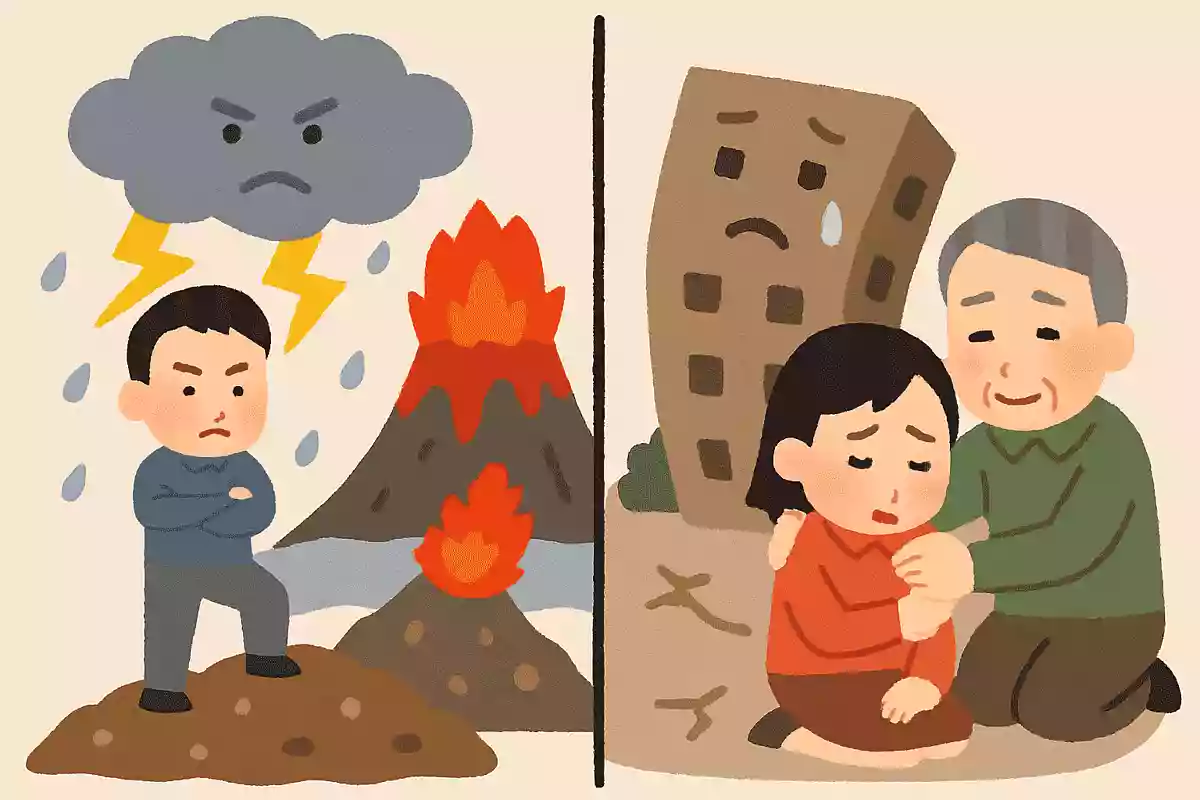
Let me introduce a famous quote by Natsume Sōseki: “Nature is a fair yet ruthless enemy.
Society is an unjust yet compassionate enemy.” Natsume Sōseki was a Japanese novelist and scholar of English literature.
His major works include I Am a Cat, Botchan, Sanshirō, And Then, Kokoro, and Light and Darkness.
This line—“Nature is a fair yet ruthless enemy.
Society is an unjust yet compassionate enemy.”—appears in his work Reminiscences.
It’s a quote that encourages us not to underestimate nature and to prepare for natural disasters.
Natural disasters strike when we least expect them.Torahiko Terada
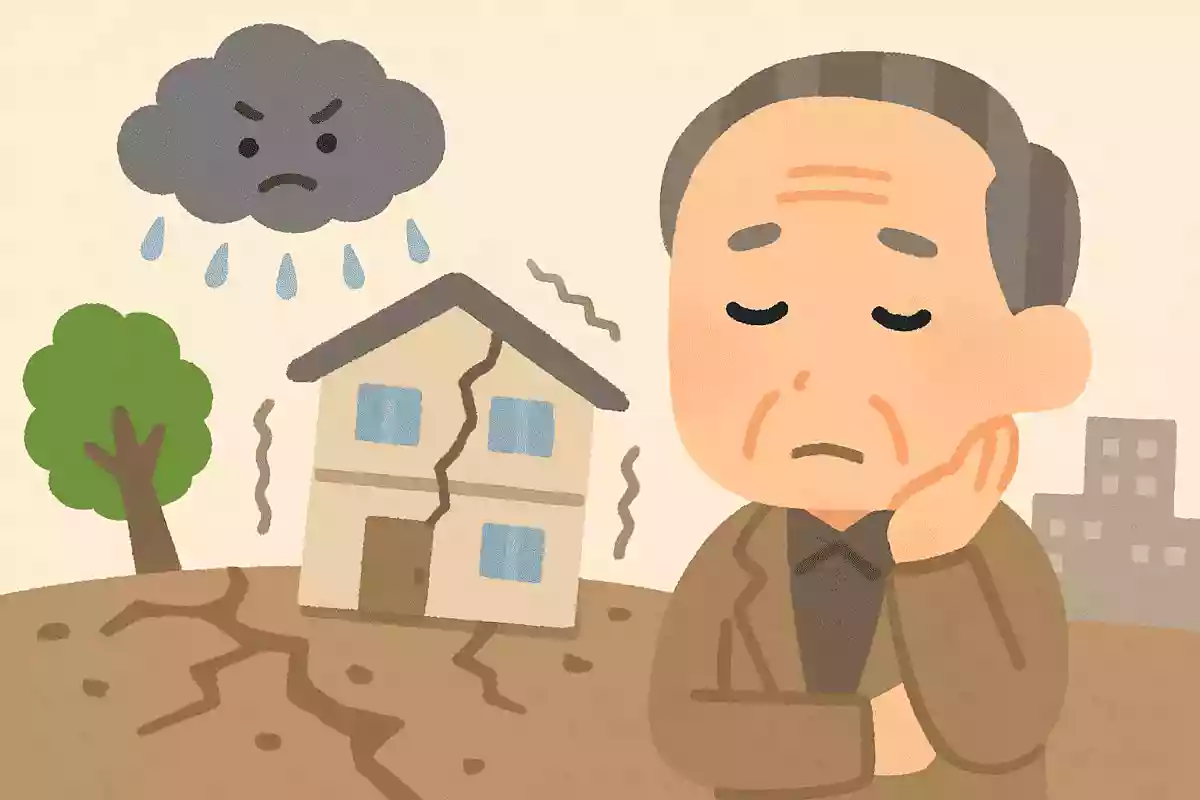
Here is a famous and important saying by Torahiko Terada: “Natural disasters strike when they have been forgotten.” Terada was a Japanese physicist, essayist, and haiku poet.
As a researcher, he was interested in disasters such as fires and earthquakes, and it is said that after the 1923 Great Kanto Earthquake, he became even more deeply engaged with the subject.
This quote reminds us that the peaceful passing of everyday life without incident is not something to be taken for granted.
It is a phrase worth engraving in our hearts.