


Famous Japanese military commanders and world-renowned great figures have left behind many memorable quotes over the course of long history.
In this article, we’ll introduce quotes from such figures of the past!
Among the sayings they left us are words that inspire people living today, expressions that convey stern strength, and insights that can serve as hints when taking action—each filled with various sentiments.
When you’re unsure about something in life or facing a moment that makes you feel like giving up, please take a look at the quotes we introduce.
- Heartfelt! Inspiring Quotes Left by Great Figures of Japan
- Quotes from great figures that give us the power to live
- Recommended as life tips! A collection of short, memorable quotes from great figures
- If you know them, they’ll surely guide your life! Important words to etch into your heart
- Famous quotes everyone knows, including words from great figures and characters
- Words from famous people that I’d like to adopt as my motto. Inspiring quotes that convey the power of words.
- A cool one-line message of support
- It’s sure to resonate most with those who are striving! Words of encouragement from great figures and famous people.
- Gives you the power to face challenges! Inspiring words of courage from great and famous people.
- Quotes on Effort: A curated selection of passionate messages left by great figures and famous people
- Cherish each and every day! Let your life shine with profoundly moving, supreme quotes.
- Gives you the power to overcome entrance exams! Short quotes by great and famous people.
- Just remembering them fills you with courage! Striking quotes that touch the heart from great figures and famous people
Collection of quotes from people of the past. Messages from famous military commanders and world-renowned great figures (1–10)
People are the castle, people are the stone walls, people are the moat; compassion is an ally, and enmity is the enemy.Takeda Shingen
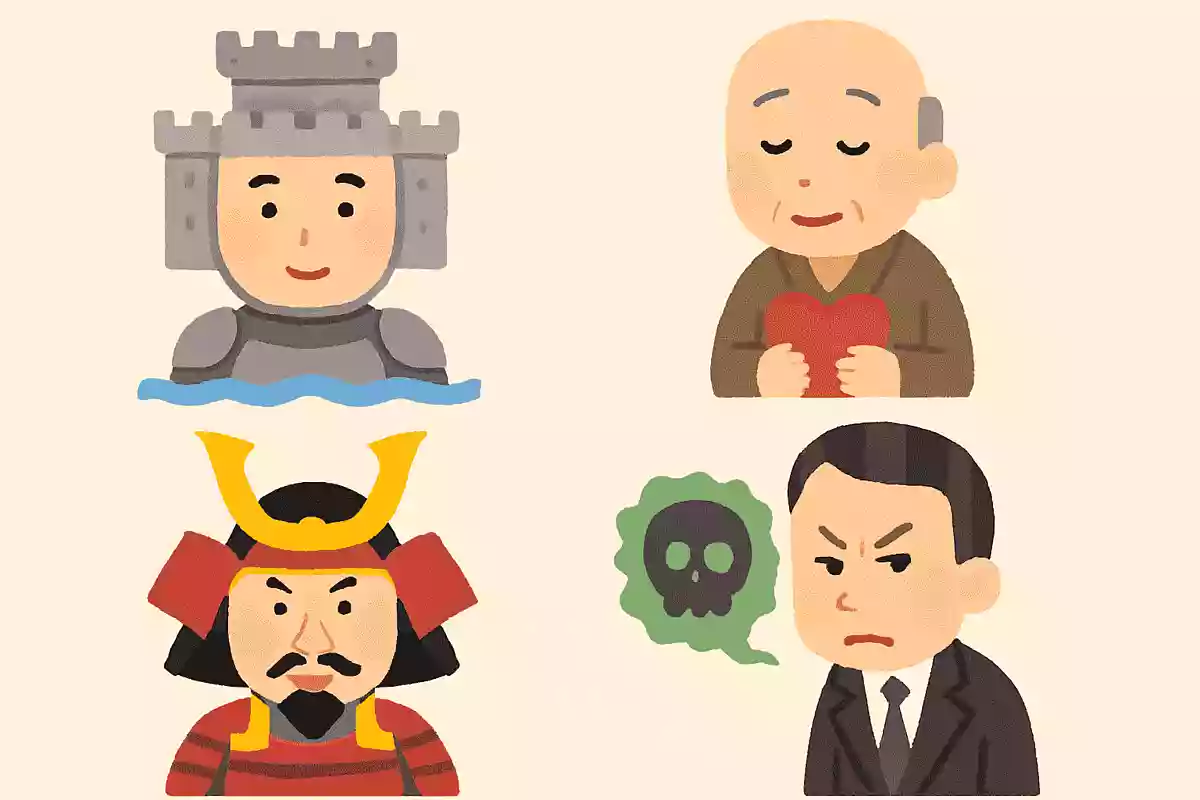
Takeda Shingen, also known as the “Tiger of Kai,” was a Sengoku-era warlord who held vast domains in Kai Province—what is now Yamanashi Prefecture.
His army was considered the strongest of its time, and it is said that even Oda Nobunaga feared him.
“People are the castle, people are the stone walls, people are the moats; compassion is your ally, resentment your enemy” is one of his famous sayings.
It suggests that relationships and trust between people build your stronghold, and that mere power and coercion won’t win true loyalty.
You could call it a maxim useful in the business world as well.

It is the heart that makes a world without amusements into an interesting one.Shinsaku Takasugi
Takasugi Shinsaku was a samurai of the Choshu domain who was active at the end of the Edo period, and he passed away from illness at the young age of 27.
This poem is said to be his death verse, and there is a dramatic anecdote behind it.
While Takasugi, bedridden, composed the upper half of the poem and was pondering the lower half, it is said that Nomura Botan, who was nursing him, supplied the lower half.
The poem conveys the idea that even if the world holds nothing amusing, it is up to one’s own mindset to make it interesting.
These words offer a hint for living a richer life.

No success for those without dreams.Yoshida Shōin
Samurai, thinker, educator—Yoshida Shōin was a man of many facets.
At the Shōka Sonjuku, he is known for having nurtured many figures who would play key roles in the Meiji Restoration, including Takasugi Shinsaku, Kusaka Genzui, and Yoshida Toshimaro.
“There is no success for those without dreams” is one of his famous sayings.
It may seem obvious, yet it resonates deeply.
By having a dream you wish to fulfill, making it your driving force, working hard, and continuing to take on challenges, you can achieve success.
If you want to succeed, you must first have a dream.
Do you have a dream?
If you try, you can achieve; if you don’t try, you won’t. Whatever fails to be accomplished fails because people do not attempt it.Uesugi Yōzan
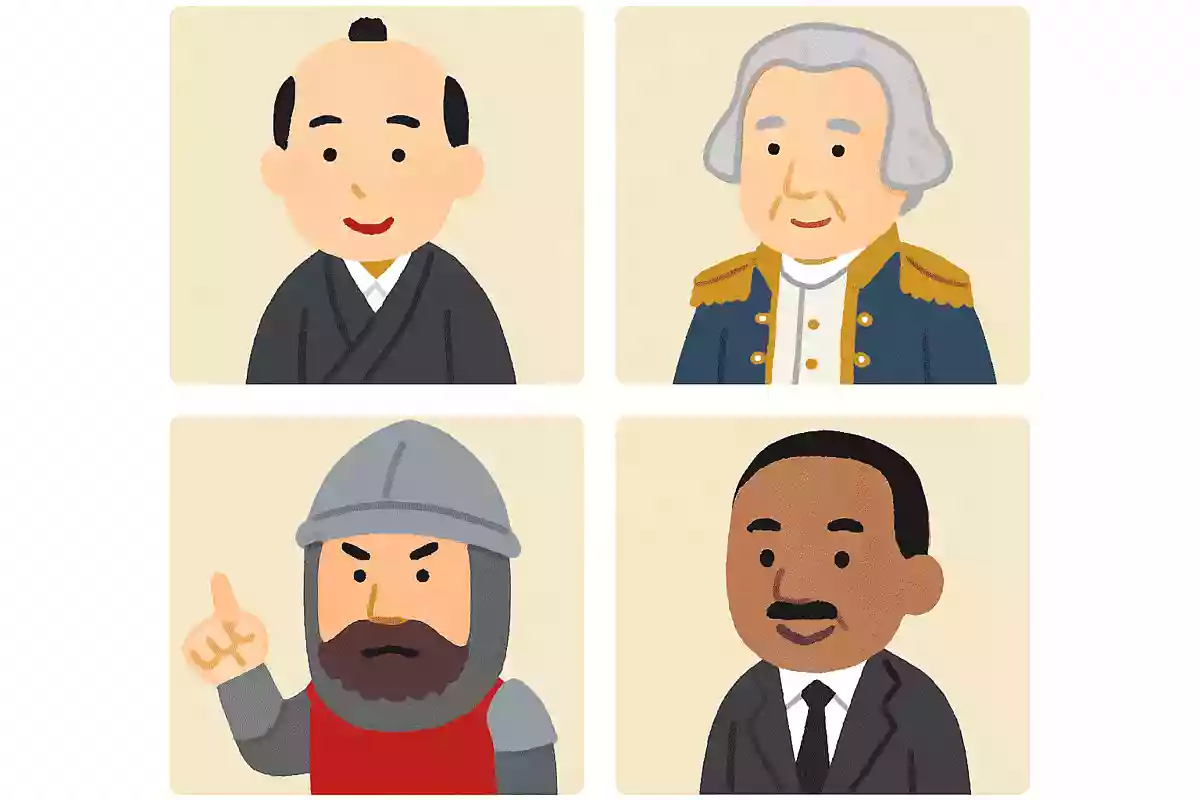
This is a poem composed by Uesugi Yōzan, who, as the lord of the Yonezawa Domain, mainly carried out reforms to restore its finances.
It conveys the lesson: “If you make the effort, you can do it; if you cannot, it is because you did not make the effort,” and he is said to have passed this poem on to his retainers.
The phrase ‘If you do it, it will be achieved’ (naseba naru) originally comes from an ancient Chinese proverb, and poems using the phrase were also composed by Takeda Shingen and Hirata Atsutane.
Their versions differ somewhat in nuance from Uesugi Yōzan’s, so if you’re interested, please look them up.
Where there’s a will, there’s a way.Abraham Lincoln
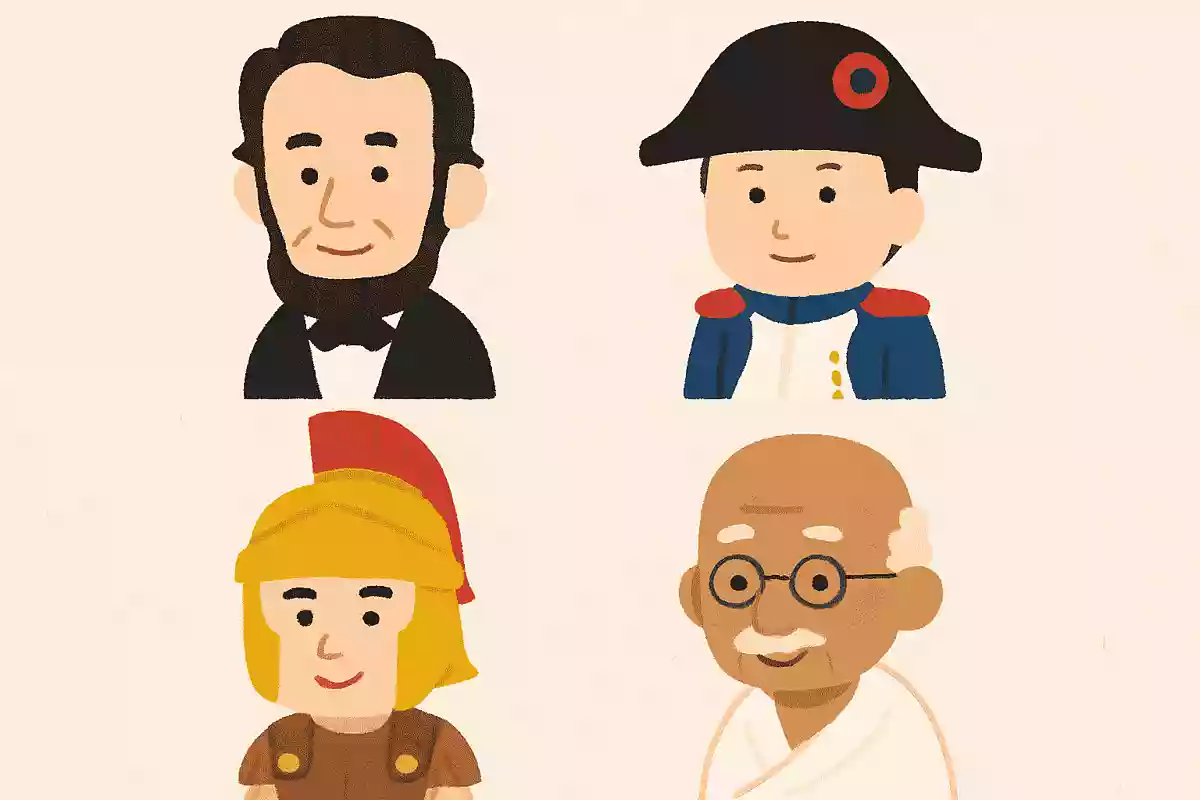
One of the presidents now often written as “Lincoln,” regarded as among the greatest in American history.
His Gettysburg Address—“government of the people, by the people, for the people…”—is famous, and many of his words can serve as guides for life.
This quote, too, teaches the importance of what you hold in your heart, as if giving you a gentle push to live with purpose.
If you want to get into your chosen school or land your first-choice job, start by holding that desire firmly in your heart.
The path that connects to that resolve will surely come into view.
The moment you feel completely satisfied is, in other words, the moment you begin to decline.Eiichi Shibusawa
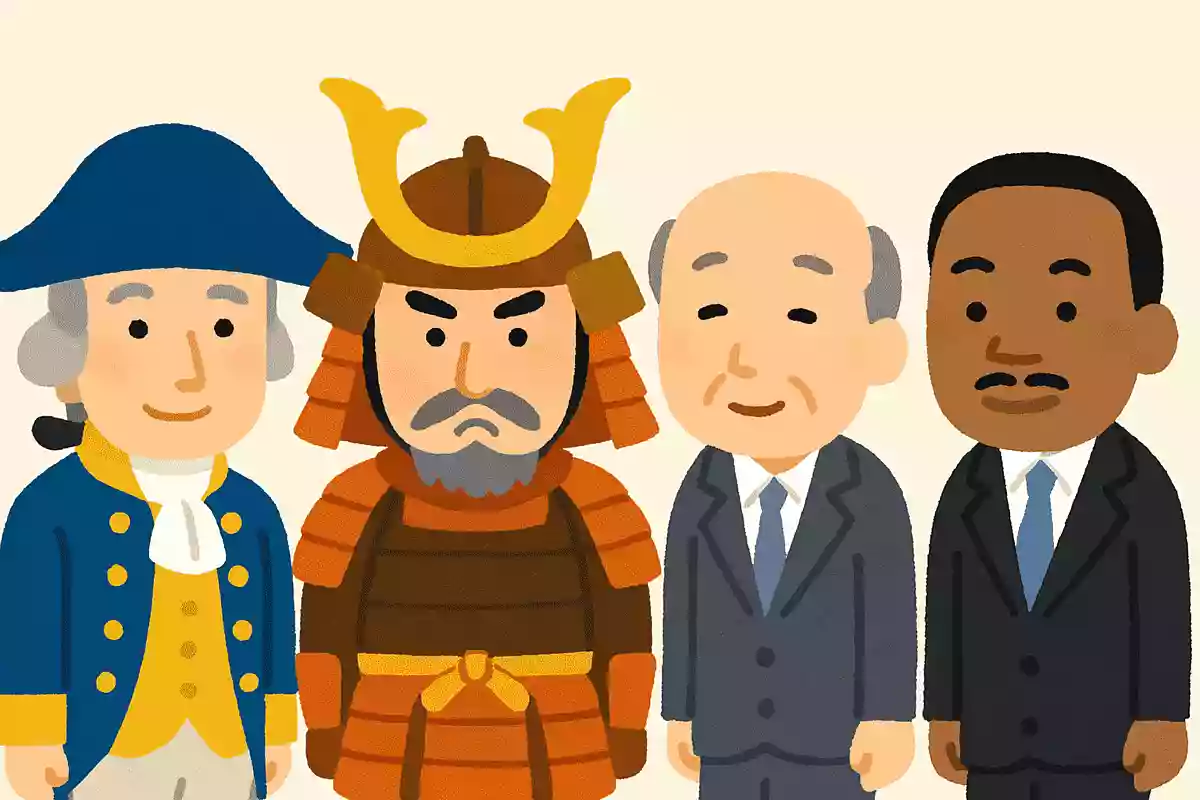
Eiichi Shibusawa, whose portrait now appears on the new 10,000-yen bill of the Reiwa era, left us this famous saying: “The moment you say you are satisfied is the moment you begin to decline.” It’s a valuable lesson that once you feel satisfied and stop, personal growth ceases.
When your grades at school improve a little, or when you achieve something at work, it’s natural to feel so happy that you want to linger in that moment.
But it’s precisely at such times that you should recall Shibusawa’s words and spur yourself on.
It can’t be helped.Oda Nobunaga
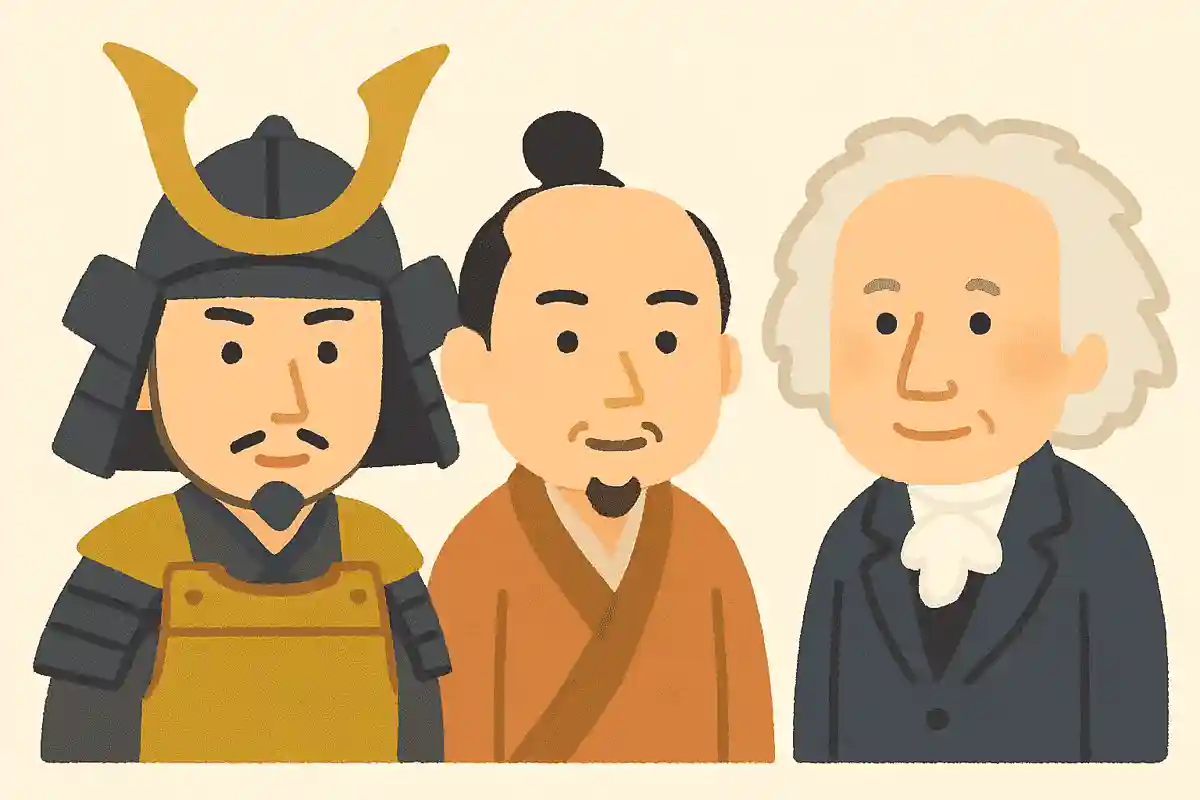
Nobunaga Oda, one of the Three Great Unifiers of the Sengoku period, rose to become the ruler of the realm but was overthrown when his vassal Akechi Mitsuhide rebelled.
Many are familiar with his final battle, the Incident at Honnō-ji.
The famous phrase “Shikata ga nai” (literally, ‘It can’t be helped’), often quoted as “Zehi ni oyobazu,” is said to have been what he uttered upon being told that the traitor was Akechi Mitsuhide.
Taken at face value, the words express a sense of resignation—‘there’s nothing to be done.’ Perhaps it was precisely because Nobunaga knew his vassals’ abilities and strengths so well that these words came out of him.