

Angela's famous and popular songs

Let me introduce songs by the male-female duo angela (Angela).
angela was formed in 1993 and made their major debut in 1999.
They returned to the indie scene in 2000, and then made another major debut in 2003.
They have performed many theme songs for anime and have appeared multiple times at Animelo Summer Live (Anisama), an event featuring artists who perform anime songs.
As they mainly work on anime songs, they also perform at overseas events alongside Japanese anime culture, and it seems you can buy their CDs abroad as well.
- angela Popular Song Rankings [2026]
- Angela Aki’s Popular Song Rankings [2026]
- Angela Aki’s Moving Songs and Popular Tracks Ranking [2026]
- Angela Aki’s famous and popular songs
- Angela Aki’s Cheer Songs and Popular Song Rankings [2026]
- [Anison] A collection of anime theme songs by girls’ bands
- Angela Aki’s Most Popular Karaoke Songs Ranking [2026]
- A collection of renowned and popular songs by EGOIST, the music group born from an anime
- BGM from anime with absolutely divine music! Highly popular anime songs
- Angela Aki Love Songs: Popular Song Ranking [2026]
- Anime songs that were hits in the 1990s. Recommended masterpieces and popular tracks.
- Roselia’s iconic songs. Recommended track list.
- Angela Aki Ballad Songs: Popular Song Ranking [2026]
Angela’s greatest and most popular songs (11–20)
DEAD OR ALIVEangela

The second opening theme of the anime Fafner in the Azure: EXODUS.
The song DEAD OR ALIVE has lyrics that encapsulate the entirety of the Fafner in the Azure series.
Lines from songs previously featured in the series are sprinkled throughout, making it a reflection that expresses Fafner up to this point.
Spiralangela

The opening theme for the anime Asura Cryin’.
It was my first time working on a theme song for an anime based on a light novel.
The lyrics are written from the perspective of the protagonist, Tomoharu Natsume.
The motif of “gears,” which is central to the work, is also incorporated into the decorations and visuals of the promotional video to evoke the world of Asura Cryin’.
Voyage through the Dark Nightangela
The first cour ending theme of the anime Fafner in the Azure: EXODUS.
It’s a song reminiscent of the first season’s Separation.
As with that one, the intro plays when the “death poem” narration begins.
Episode 9 is especially memorable because it includes an homage to the first season’s ending.
azure skyangela

The ending theme of the 2010 theatrical anime Fafner in the Azure: Heaven and Earth.
I believe it’s a song directed toward the protagonist by Soushi Minashiro, who returned after the Second Azure Operation, and toward Misao Kurusu of the Festum.
You could say it’s Soushi Minashiro’s theme song, filled with his feelings.
It’s not me.angela

The ending theme of the anime Valvrave the Liberator.
It’s a pair of songs, each sung about one of the two protagonists, Haruto Tokishima and L-elf.
The distinctive lyrics make them memorable, and in some circles they’ve been described as “a song about someone who was greatly misunderstood” and “a song about someone falsely accused.” As the story progressed, I felt that both the first and second verses seemed to apply to either character, so I interpreted the true meaning of the lyrics as being different from the descriptions above.
Endless Monologueangela

An insert song from the anime Fafner in the Azure: RIGHT OF LEFT.
It’s used in the scene with the wall graffiti and in the episode where the pilots disappear due to assimilation.
The depiction of them crystallizing and shattering into dust is heartbreaking every time I see it.
Angela’s greatest and most popular songs (21–30)
gravitationangela
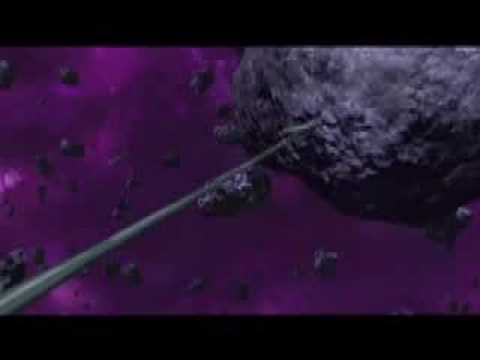
The opening theme of the anime Heroic Age, which aired in April 2007.
Primarily created by the staff of Fafner in the Azure, it was produced with the contrasting concept of “let’s make a story where no one dies.” This work was what made me rediscover angela, and it became the first angela CD I ever bought.