

Anti-war songs that pierce the heart: Japan’s masterpieces conveying prayers for peace


Music sometimes has the power to move people’s hearts and exert a great influence on society.
Among such works, anti-war songs imbued with wishes for peace have appealed across generations, conveying both the horrors of war and the preciousness of peace to many.
The anti-war songs etched into Japan’s musical history contain profound messages that we who live today must never forget.
In this article, we highlight Japanese anti-war songs—focusing mainly on popular Japanese music—and explain the backgrounds of the tracks and the sentiments embedded in their lyrics.
We invite you to take this opportunity to reflect anew on war and peace.
- “Song of War”: A classic that sings of the tragedy and folly of war
- [Songs Praying for Peace] To Prevent Repeating Tragic History | A Collection of Peace Songs That Resonate with the Heart
- [Song for Supporting Ukraine] A moving anthem that conveys hopes for peace & songs of Ukraine
- Masterpieces of Japanese music that delve into various social issues, such as war and environmental problems
- The lyrics are profoundly good. The more you listen, the more it sinks in. Masterpieces of Japanese music, recommended popular songs.
- [2026] Anti-war songs in Western music. Songs that wish for peace.
- Japanese music themed around prayer. A song whose warm message resonates in the heart.
- Tear ducts guaranteed to burst! Heart-wrenching masterpiece songs I’d recommend to Gen Z
- [For when you want to cry or feel sad] Tear-jerking masterpieces that make you cry when you listen
- [Classic and Contemporary Hits] Emotionally Stirring, Heart-Touching Songs
- [Recommended for elementary school students] Songs that touch the heart! Moving and comforting songs of gratitude
- Timeless classics only! Showa-era hit songs perfect for acoustic sing-alongs
- Songs of anger. Western music anger songs. Recommended masterpieces and popular tracks.
[Anti-war songs that pierce the heart] Prayers for peace conveyed by Japan’s masterpieces (11–20)
The sky of Hiroshimasadamasashi

Created in 1987 and included on commemorative albums such as “Gekko,” this work is imbued with a prayer for peace.
Masashi Sada, a native of Nagasaki, composed the song based on his aunt’s experience as a Hiroshima bombing survivor, rendering the tragedy through quiet acoustic sounds and a poignantly transparent vocal that leaves a strong impression.
It is performed without fail at the annual concert held in Nagasaki on August 6.
You can sense Sada’s characteristic sense of mission to pass historical truth on to future generations.
Precisely because memories of war are fading in the present day, this is a masterpiece to which we should listen closely.
Take a moment to reflect quietly on the preciousness of peace.
Love The WarzSEKAI NO OWAR

Set to a fantastical sound, this is a SEKAI NO OWARI track that sharply questions the essence of peace.
It portrays, with piercing words, the helpless human tendency to ironically repeat conflict precisely because we long so deeply for peace.
By deliberately pairing the heavy question “What is true peace?” with a pop melody, the message may resonate even more deeply.
The song was included on the album ENTERTAINMENT, released in July 2012, and also served as the theme song for the drama “Owaranai Monogatari.” How about reflecting on peace while listening to this piece?
BelieveTanigawa Shuntarō (gasshōkyoku)

Shuntaro Tanikawa’s works are filled throughout with messages such as “peace,” “anti-war,” and “democracy,” and ‘Shinjiru’ can be seen as part of this lineage.
Set to a beautiful melody, anti-war keywords are woven into the lyrics, prompting listeners to think about peace within the song—a choral piece that sings of anti-war and peace.
Island SongTHE BOOM

Shimauta,” the signature song by THE BOOM, a band from Okinawa, is now so famous it appears in school textbooks.
It was composed based on harrowing episodes from Okinawa, which became a battlefield during World War II.
I can only hope that as this song continues to be sung, the fact that so many lives were lost will never fade from memory.

Nobody is RightNakajima Miyuki

Everyone believes in their own justice, and at times that becomes the spark of conflict.
This work movingly captures that human nature, along with a prayer-like wish for coexistence that persists nonetheless.
Rather than condemning one side of a confrontation, the lyrics imagine the uncompromising feelings and backgrounds of each, making them a message for peace itself.
The song was included on the acclaimed 2007 October release “I Love You, Kotaetekure,” and in 2015 it was also used in a fashion brand’s commercial.
When you’re suffering from your own sense of rightness or pained by rifts with others, listening to it will let the warmth of its gaze bring you solace.
IMAGINEImawano Kiyoshirō
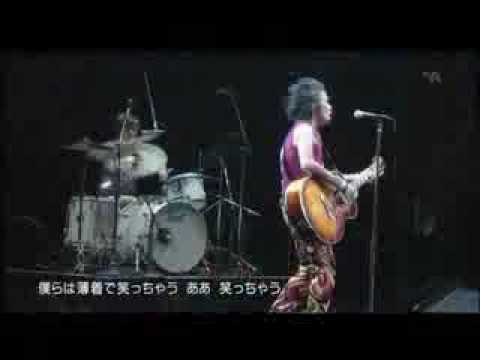
Speaking of songs that wish for peace, John Lennon’s “Imagine” comes to mind.
This is a Japanese rendition of “Imagine” sung by the beloved rock singer Kiyoshiro Imawano, who sadly passed away in 2009.
There’s a message that truly resonates because it’s sung by artists who genuinely believed in and wished for love and peace.

Anti-war songs that pierce the heart: Prayers for peace conveyed by Japan’s masterpieces (21–30)
ImagineJohn Lennon & The Plastic Ono Band
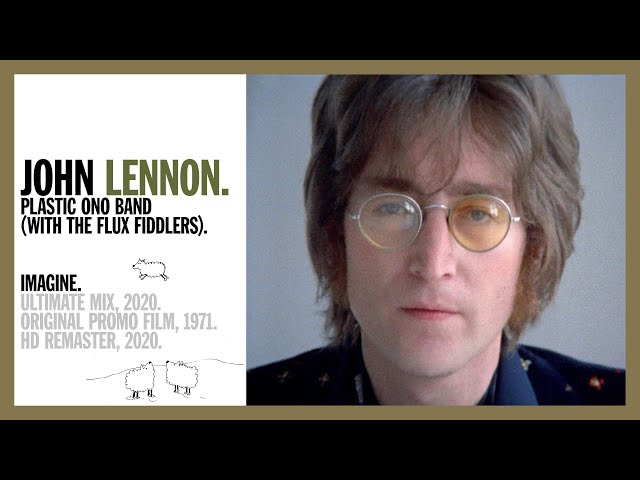
John Lennon’s famous song “Imagine,” known to all, was released in 1971.
It envisions a world without nations, religion, conflict, or possessiveness, and appeals that if everyone strives for that ideal, the world can change.
Cherished as a song about peace and love for humanity, it has at times been banned from broadcast due to criticism that it is too communist.
