

Liven up with sports day trivia quizzes! Fun facts you’ll be glad to know

Speaking of sports days, they’re full of excitement with a variety of fun events like relays, cheer battles, tug-of-war, relays, and ball tosses! School sports days in Japan, long beloved as a traditional event, actually hide plenty of trivia and fun facts that will make anyone say, “Wow!” Why are there Red and White teams at sports day? When did the bread-eating race start? This quiz-style introduction shares general trivia and tidbits about sports days that answer such simple questions.
Why not explore the history and enjoy sports day even more?
- Trivia quiz about schools: a roundup of fun facts you’ll want to brag about
- Make your summer festival even more fun! Trivia quizzes and fun facts for kids
- Enjoy summer festivals even more! Trivia quiz & fun facts collection
- A collection of quiz questions related to sports
- So nostalgic! A lively school lunch quiz. Let’s look back on those memories from back then.
- [For General Audience] Trivia & Fun Facts Quiz on the Olympics and Paralympics
- Get the Crowd Going at the Kids’ Club! A Collection of True-or-False Quizzes Everyone Can Enjoy
- Exciting! Trivia quizzes that you’ll want to tell others about. A collection of surprisingly little-known facts.
- Trivia quiz with useful tips to know: fun facts that come in handy at school or at home [for kids]
- [Great for speeches] Trivia and fun-fact quizzes recommended for morning assemblies
- How many can you answer? A collection of fun school-related quiz ideas to guess and enjoy
- [For Elementary School Students] Sports Quiz
- [Tokyo 2025] World Athletics Trivia Quiz! Try your hand at surprising facts you might not know
Get hyped with sports day trivia quizzes! Fun facts worth knowing (1–10)
Which sports day event has once been included in the Olympics?
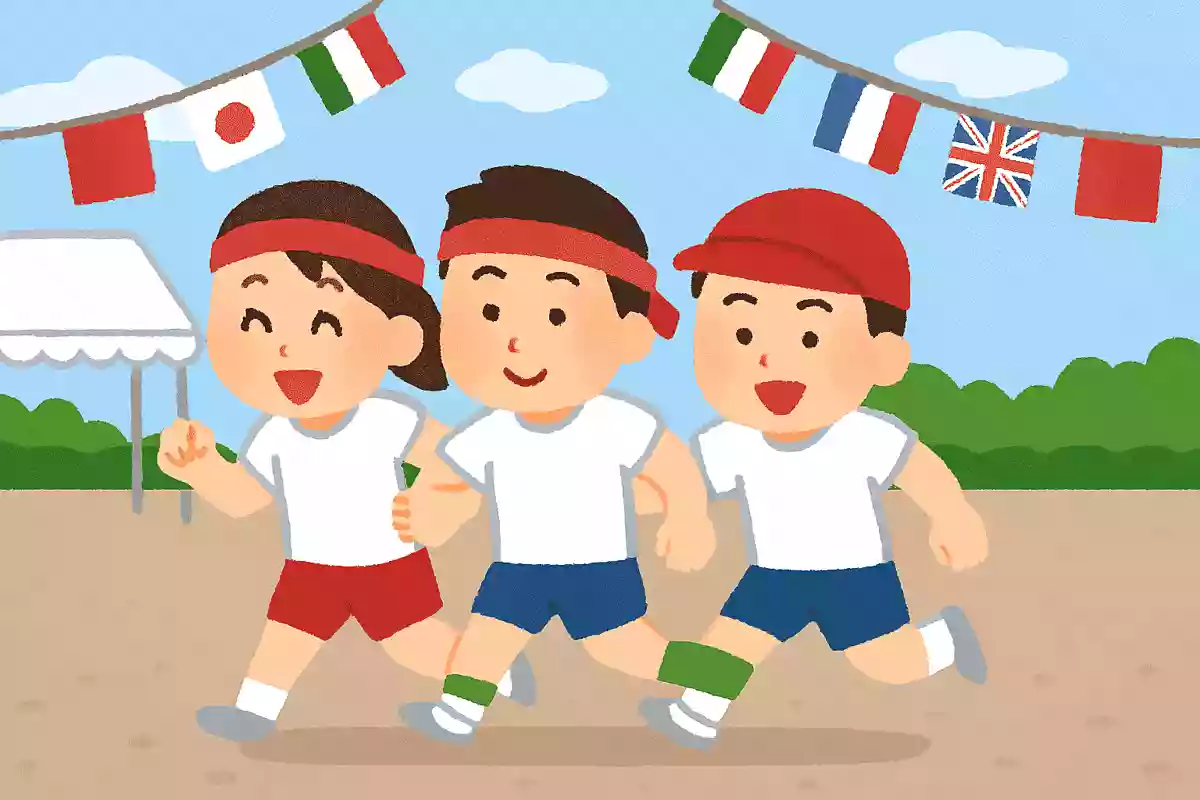
- cavalry battle
- ball toss (traditional Japanese beanbag/ball-throwing game)
- Tug of war
See the answer
Tug of war
Tug-of-war is one of the Olympic events that can no longer be seen today. From the 1900 Paris Games to the 1920 Antwerp Games, tug-of-war helped enliven the Olympics as an official competition. The International Olympic Committee, concerned about the expansion of the Games, decided to cut back on several events. Tug-of-war was reportedly among those eliminated, partly due to reasons such as the lack of an international governing body.

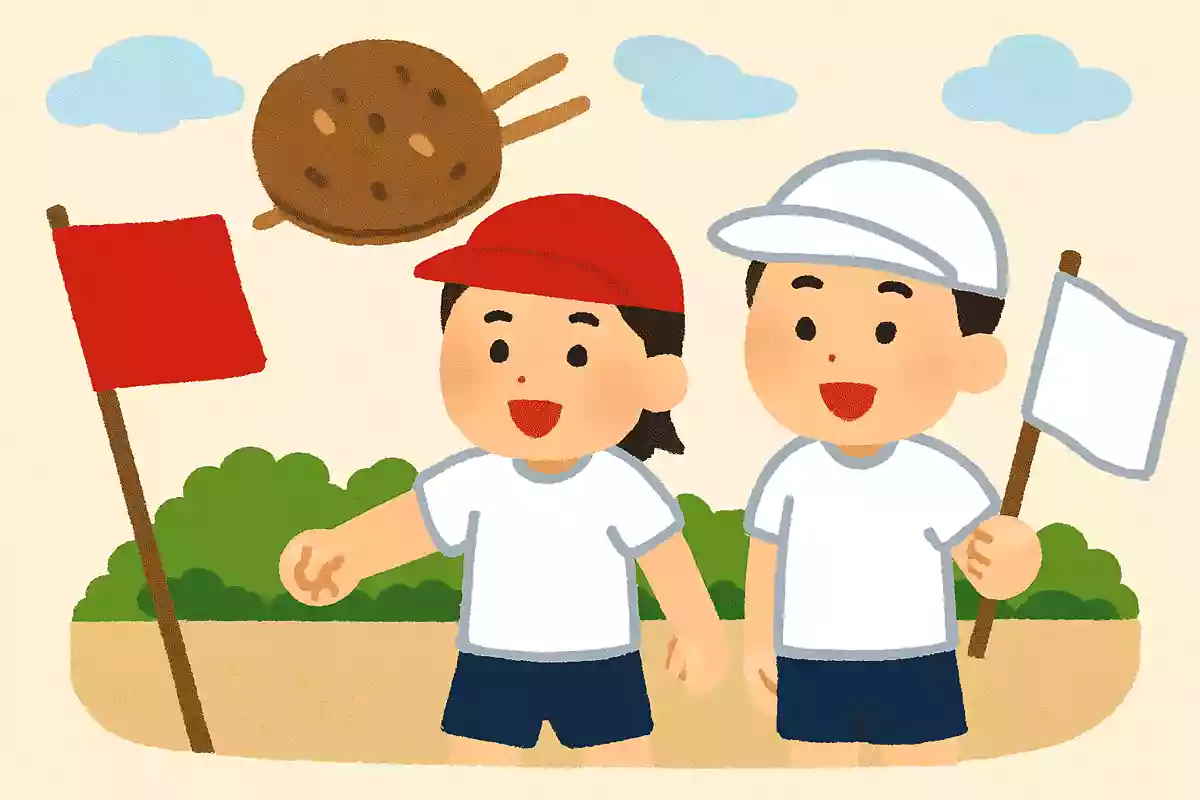
What sparked the division into the Red Team and the White Team at the sports day?
- The shogunate and the imperial court
- Oda Nobunaga and Imagawa Yoshimoto
- The Genji and the Heike
See the answer
The Genji and the Heike
Depending on the region, school sports festivals in Japan are often divided into red and white teams, aren’t they? It’s said that this tradition was inspired by the Genji and Heike clans being distinguished by red and white. In battles, large numbers of soldiers would get mixed together, making it hard to tell who was friend or foe. To allow instant identification, they used red and white flags. By the way, red was the Heike and white was the Genji.
In ancient Greece, in the sport that was the root of the relay, what did runners carry instead of a baton?
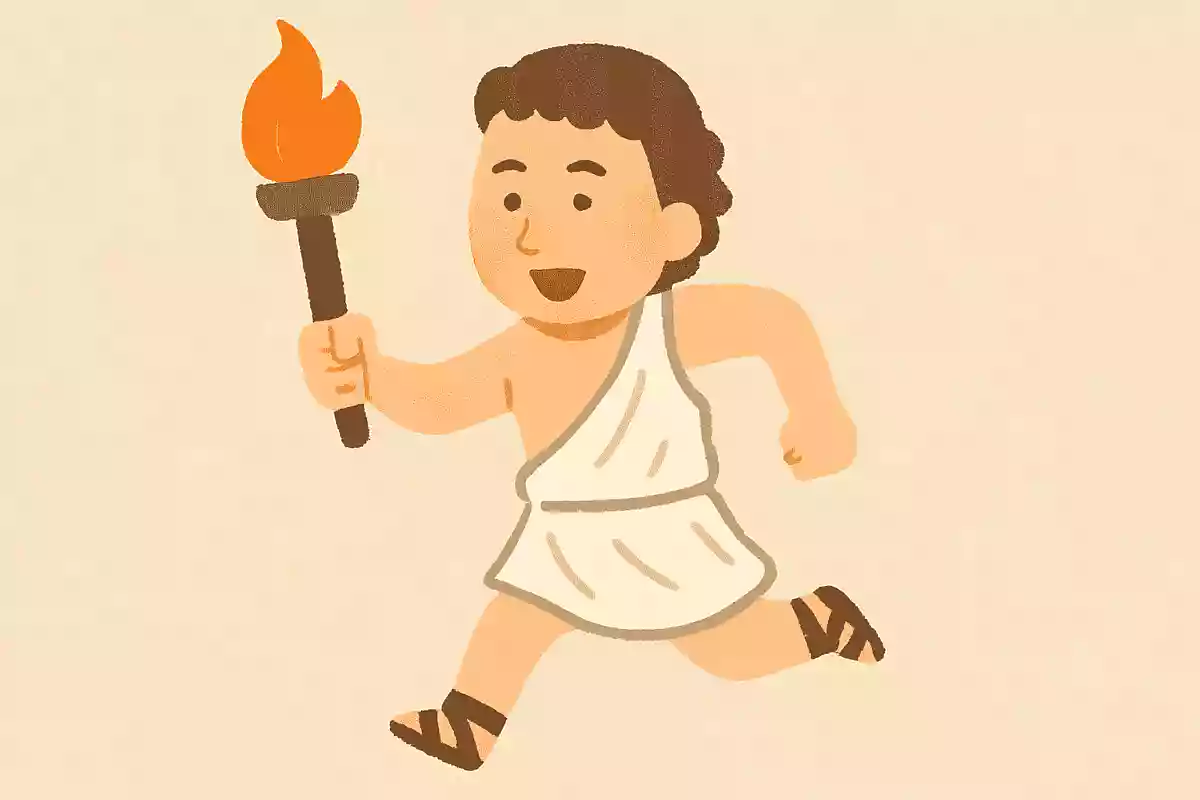
- torch
- Tantō (short dagger)
- Animal horns
See the answer
torch
In the ancient Greek relay race known as the Lampadedromia—the precursor to modern relays—runners carried lit torches instead of batons and passed the torch to the next runner. This also held religious significance, symbolizing the continuous carrying of a sacred fire without letting it go out.

Liven up your sports day with trivia quizzes! Handy fun facts to know (11–20)
In the past, which animal was pursued in a real-life animal-chasing sport?
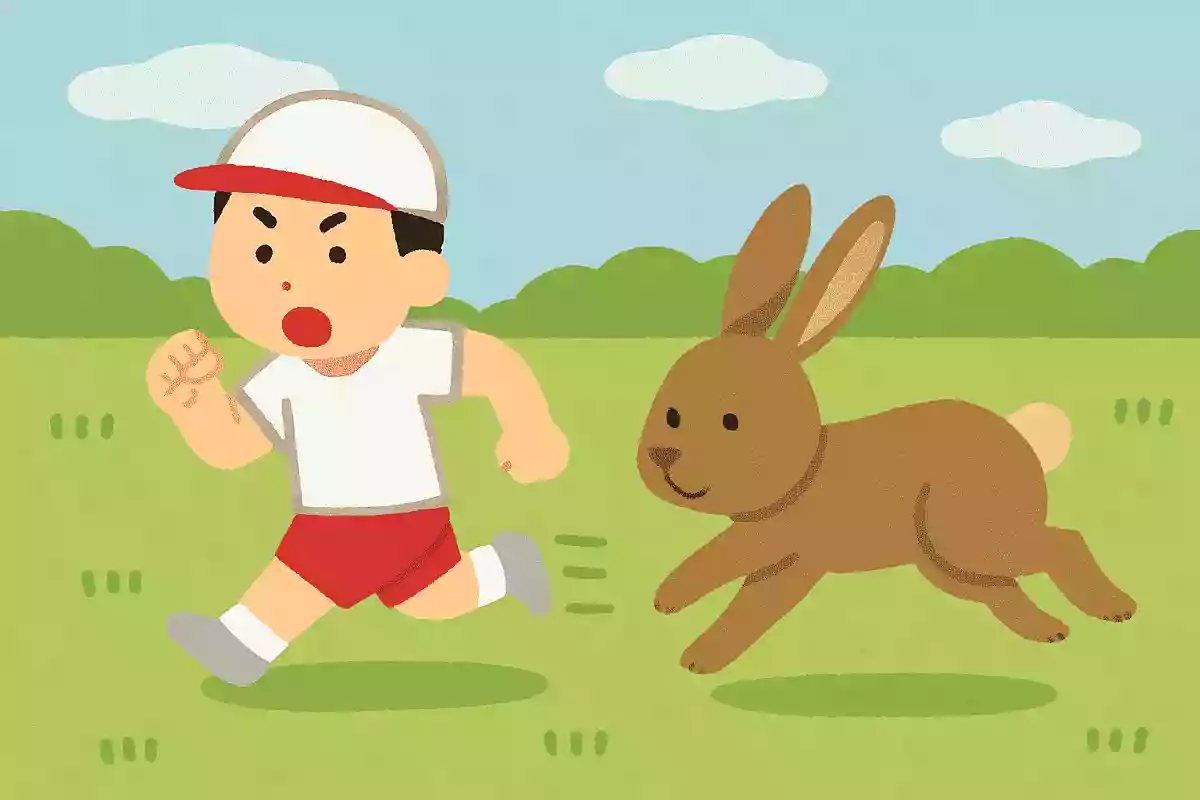
- cow
- chicken
- pig
See the answer
pig
Known as “pig chasing,” it was enjoyed at festivals in Europe and America. It is said to have been a competition where oil or other slippery substances were applied to a pig, and participants would chase it. Records suggest that Japan also had an event called “pig-chasing race” during the Meiji era.
In recent years, besides autumn, in which other season are sports days often held?

- spring
- summer
- Autumn
- Winter
See the answer
spring
Autumn is often called the season for sports, and many schools hold their sports festivals in the fall. However, in recent years it has also become common to hold them in spring. One reason is that some regions still experience intense lingering heat in autumn. There have even been cases of students being taken to the hospital for heatstroke during sports festivals held in September or October. Another reason is that it’s also the peak typhoon season, so the weather tends to deteriorate. In addition, a new school term is a time to meet new classmates. Holding a sports festival in spring can also help build a stronger sense of unity within the class.
Which country was the first to start a relay race with a baton?
- China
- United Kingdom
- America
See the answer
America
Relay races using batons are said to have originated in the United States in the early 1900s. Before that, relays involved simply touching with the hand, but the introduction of batons at sporting events led to a form closer to what we have today. By using batons, the success or failure of the exchange became clear, enabling fairer competition management.
When did group gymnastics originate?
- around 2000 BC
- Heian period
- Around the late 19th century
See the answer
around 2000 BC
On ancient Egyptian wall paintings from around 2000 BCE, there are depictions of people interlocking their bodies and balancing in ways reminiscent of modern group gymnastics, and this is said to be one of the oldest roots of the practice. In Japan, it was introduced in the early Meiji period as something that incorporated elements of German gymnastics.