

![[For General Audience] Trivia & Fun Facts Quiz on the Olympics and Paralympics](https://media.ragnet.co.jp/img/1200__png__https://www.studiorag.com/files/2025/05/ccceb937ebb3d3d7daa446f747d46ae9.webp)
[For General Audience] Trivia & Fun Facts Quiz on the Olympics and Paralympics

How much do you know about the Olympics and Paralympics? Hidden behind this once-every-four-years festival are countless surprising stories you won’t find in textbooks.
We’ve gathered general-interest trivia and fun facts you’ll want to share—about the materials used for medals, the meaning of the Olympic rings, and unexpected events that were once official sports.
From tidbits that make watching more enjoyable to behind-the-scenes stories that will make you say “Wow!”, we cover a wide range.
Be sure to check it out before you watch the next Games!
[For General Audience] Trivia & Fun Facts Quiz on the Olympics and Paralympics (1–10)
There was an athlete who competed in the Olympics at the age of 72.
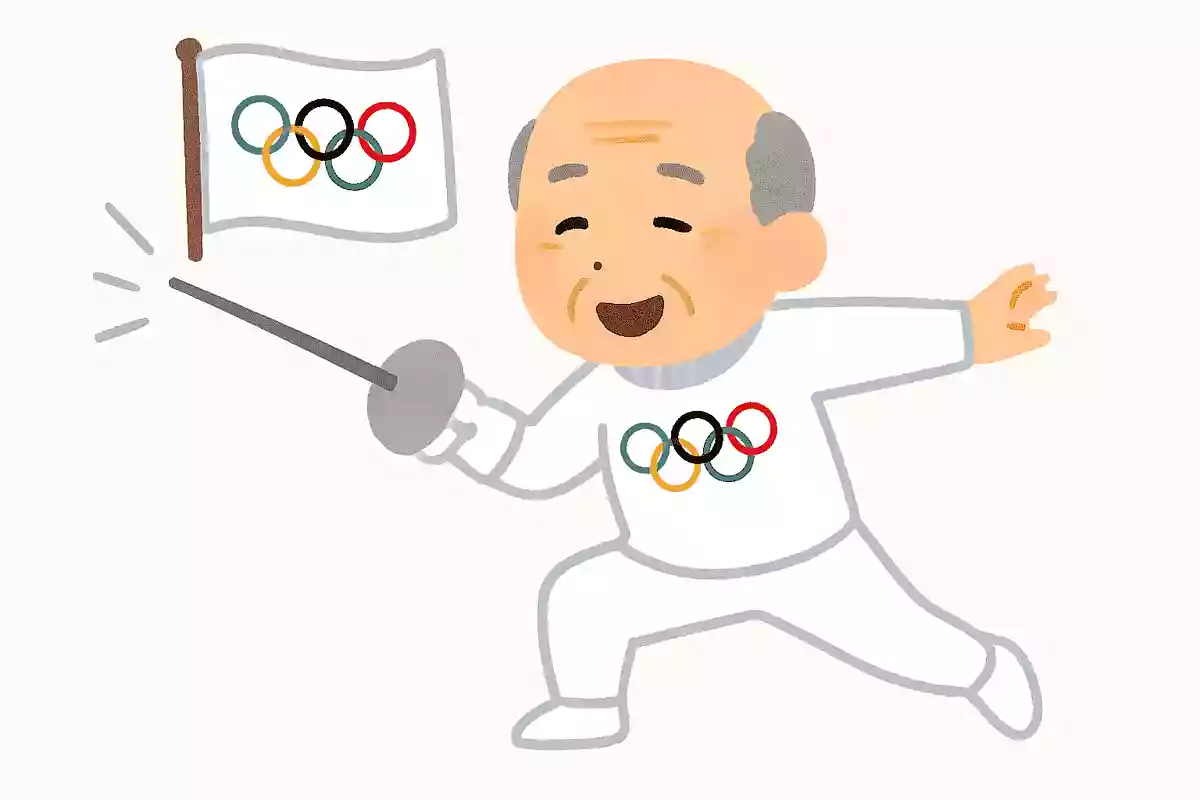
Do you know of an athlete who competed in the Olympics at the age of 72? Oscar Swahn, a Swedish shooter, competed in the Olympics at 72.
He even won a silver medal at that Games, and at the Olympics he attended at age 64, he won a gold medal.
He is said to hold the records for the oldest gold and silver medalist.
Shooting is a sport where years of experience truly matter, so athletes can continue for a long time.
Except in cases where sports like soccer or gymnastics—or the respective international federations—set age limits, there is no age restriction for participating in the Olympics.

There is a marathon runner who took 55 years to reach the finish.

Speaking of the Olympic marathon, it is one of the marquee events befitting the conclusion of the Games.
The marathon is a discipline beloved by many in Japan, and it seems there was even someone who took 55 years to reach the finish line.
That person was Shiso Kanakuri, known as the father of the Japanese marathon for his significant contributions and achievements in the sport.
Kanakuri competed in the marathon at the 1912 Stockholm Games, but collapsed from the heat while running and was carried to a nearby farmhouse along the course.
At the time, his withdrawal was not reported to the event headquarters, so he was treated as missing.
Fifty-five years later, in 1967, the situation came to light, and upon being contacted, Kanakuri was finally able to officially complete the race.
The medals for Tokyo 2020 were made from used small electronic devices.
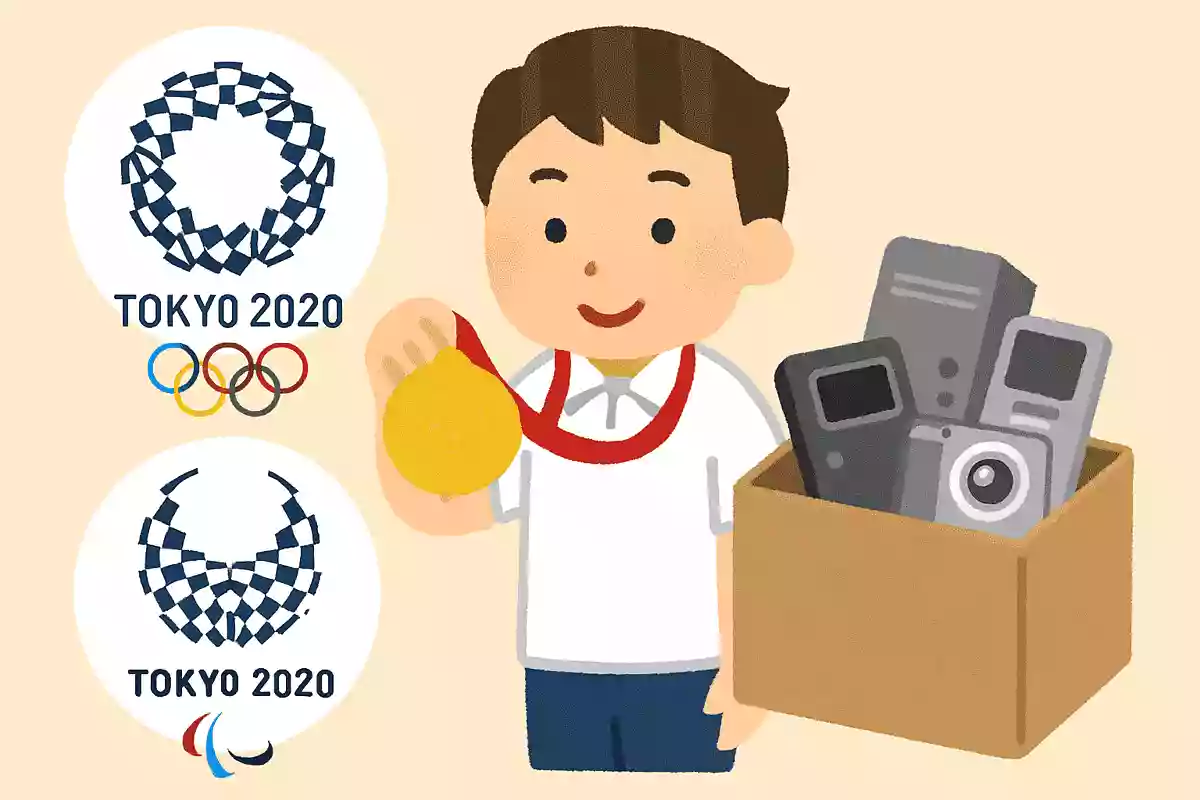
Medals awarded to those who place first through third in the Olympics—gold, silver, and bronze—were the focus of a project to make them from recycled metals.
The plan for the Tokyo 2020 Olympics involved collecting metals from used mobile phones and small home appliances such as hair dryers and irons to produce the medals.
Metals embedded in everyday life are called “urban mines,” and it’s said that if these metals are gathered, Japan would have resources on the scale of a major resource-rich nation.
Driven by the hope that the Olympics would spark public interest in recycling, the project was launched under the leadership of the Ministry of the Environment.
Although more than 5,000 medals were needed, they successfully secured enough metal for all the gold, silver, and bronze medals.
Doves always appear at the Olympic opening ceremony.
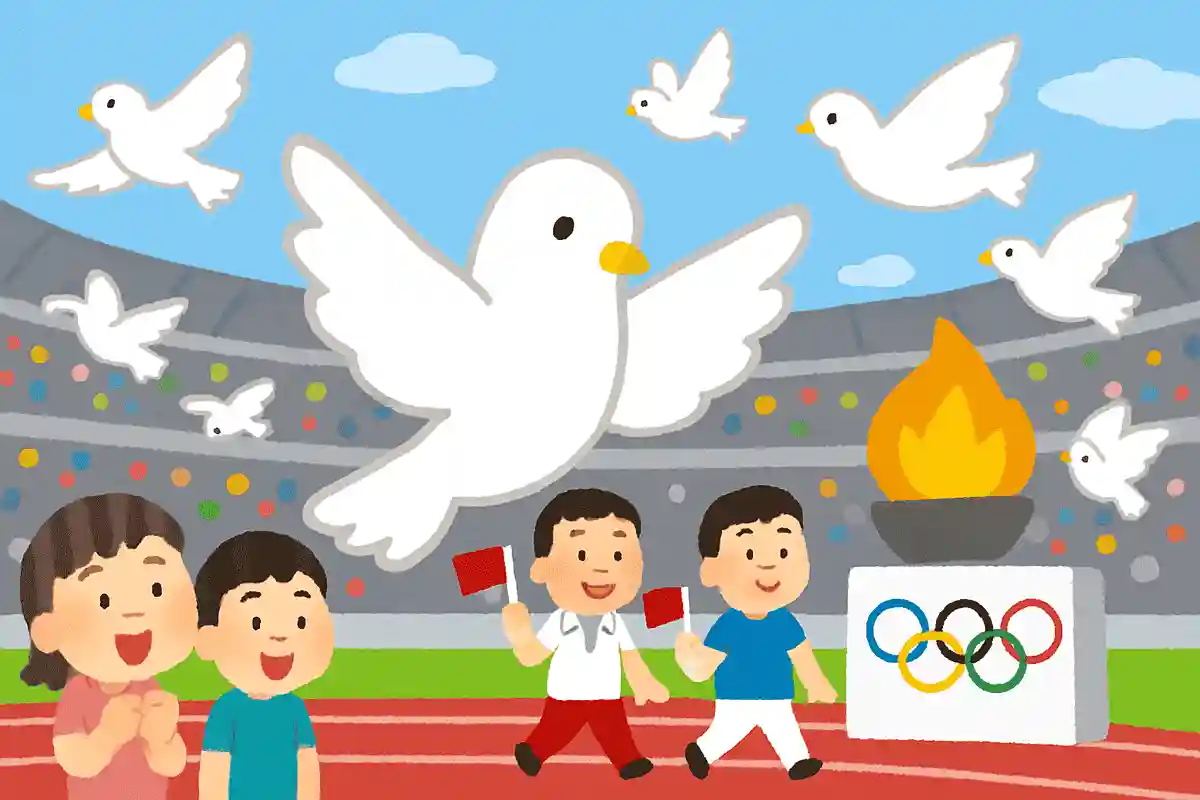
In the opening ceremony program, doves—symbols of peace—appear somewhere to emphasize that it is a festival of peace through sports.
The appearance of doves is stipulated in the Olympic Charter; it is both a tradition and an obligation in the program.
After an accident in a past Olympics, the practice shifted so that real doves no longer needed to be released, but they always appear in some form—used as a motif or shown on screen.
For this Olympics, it’s worth paying attention to when and in what form the doves will make their appearance.

The gold in a gold medal isn’t pure gold; it’s gold-plated.
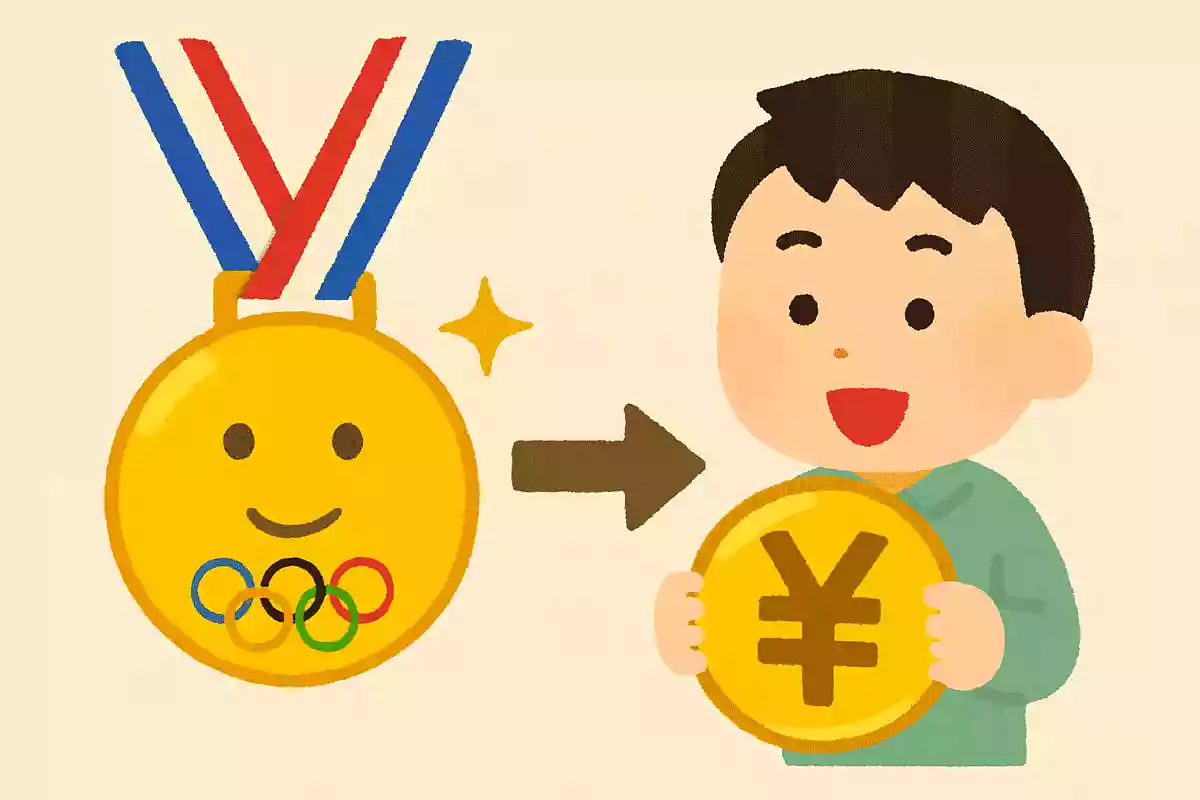
The gold medal awarded to the first-place finisher at the Olympics.
We sometimes see the glorious sight of athletes wearing gold medals around their necks on TV during the Games, don’t we? In fact, did you know that these gold medals aren’t made of pure gold? The core material of a gold medal is sterling silver, with a layer of gold leaf or gold plating on the surface.
In the past, medals were made from real gold.
However, as the number of medals produced increased year by year and to reduce the financial burden on the host countries that make them, pure gold medals ceased to be produced.
Until 2003, Olympic medals had specifications set by the Olympic Charter.
Today, based on the Charter’s standards, medals can be designed freely as long as their format is approved by the Olympic Committee.
The five rings in the Olympic symbol represent the five continents of the world.
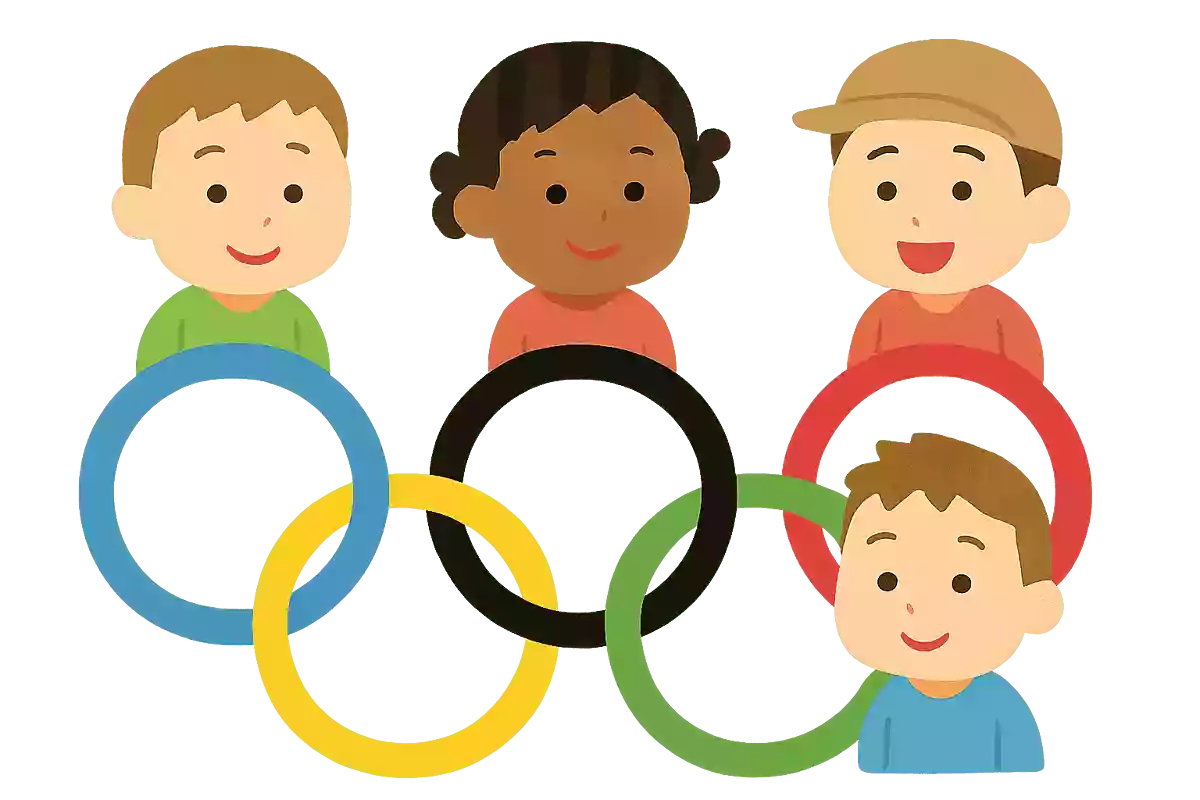
The Olympic symbol consists of five rings—blue, yellow, black, green, and red—each the same size.
The five rings represent the five continents of the world: Asia, Europe, Africa, the Americas, and Oceania.
Often seen as the symbol of the Olympics, these five rings were conceived by the founder of the modern Games, Pierre de Coubertin.
With the five colors plus white, any national flag in the world can be reproduced, conveying the idea that the world is one.
There is no rule assigning a specific color to a particular continent.
The rings express the unity of the continents and the gathering of athletes from around the world at the Olympic Games.
Curling stones are made from rock that can only be quarried once every 20 years.
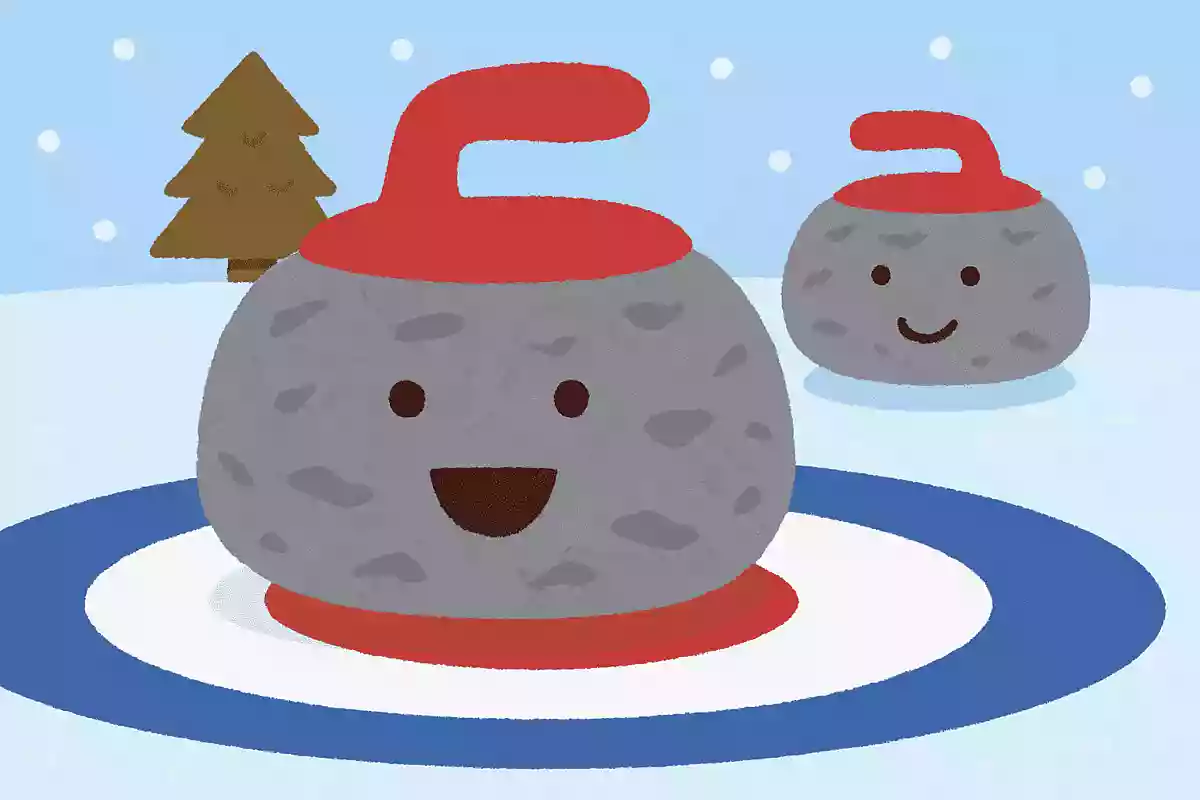
Curling is a Winter Olympic sport, and the stones used in it are hefty yet glide smoothly across the ice.
These stones are made from rock quarried on Ailsa Craig, an island in Scotland, and, from an environmental conservation standpoint, quarrying is only permitted once every 20 years.
Although it belongs to the same family as granite commonly used for gravestones in Japan, its origin makes it a rarer and more expensive material.
From the provenance of the material, you can also get a sense of where the sport was born and the history it has followed.