

[For General Audience] Trivia & Fun Facts Quiz on the Olympics and Paralympics

How much do you know about the Olympics and Paralympics? Hidden behind this once-every-four-years festival are countless surprising stories you won’t find in textbooks.
We’ve gathered general-interest trivia and fun facts you’ll want to share—about the materials used for medals, the meaning of the Olympic rings, and unexpected events that were once official sports.
From tidbits that make watching more enjoyable to behind-the-scenes stories that will make you say “Wow!”, we cover a wide range.
Be sure to check it out before you watch the next Games!
- [For Elementary School Students] Sports Quiz
- A quiz of fun trivia: bite-sized knowledge that leads to new insights.
- A collection of quiz questions related to sports
- Trivia you think you know but surprisingly don’t? August trivia and fun facts quiz!
- [New Songs & All-Time] Olympic Cheer Songs and Olympic Theme Songs
- Trivia quiz with useful tips to know: fun facts that come in handy at school or at home [for kids]
- Surprisingly unknown? A fun health trivia quiz that will make you want to try it
- [Study] Fun to Know! A Collection of World History Trivia Quizzes
- [2026] FIFA World Cup | Historic Theme Songs That Colored the Tournament
- So interesting you’ll want to tell someone! December Trivia & Fun Facts Special
- [Exercise] Recreational Ideas for Olympic Sports
- A collection of trivia and fun facts about August that will warm your heart
- English will become more fun! A collection of trivia and fun facts about the English language.
[For General Audience] Trivia & Fun Facts Quiz on the Olympics and Paralympics (11–20)
The name “Paralympics” was coined by a Japanese person.
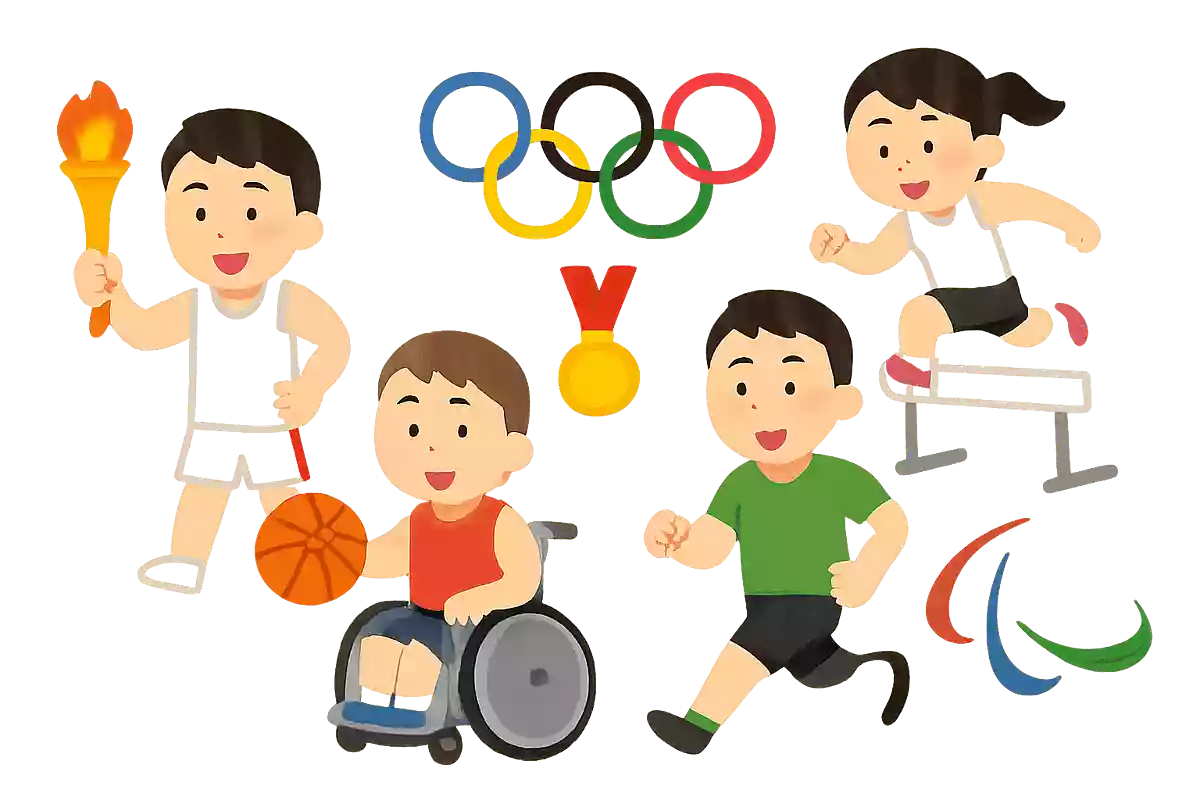
The Paralympics is the world’s premier sporting event for athletes with disabilities, held in the same location and year as the Olympics.
The name “Paralympics” was officially adopted starting with the 1988 Seoul Games, and it is said to have been inspired by a nickname coined in Japan during the Tokyo Games.
Initially created by combining “Paraplegia” (referring to lower-body paralysis) and “Olympics,” the term later came to be associated with “parallel” and “para,” solidifying its meaning as another, parallel Olympics.

Women were not allowed to participate in the first Olympic Games.
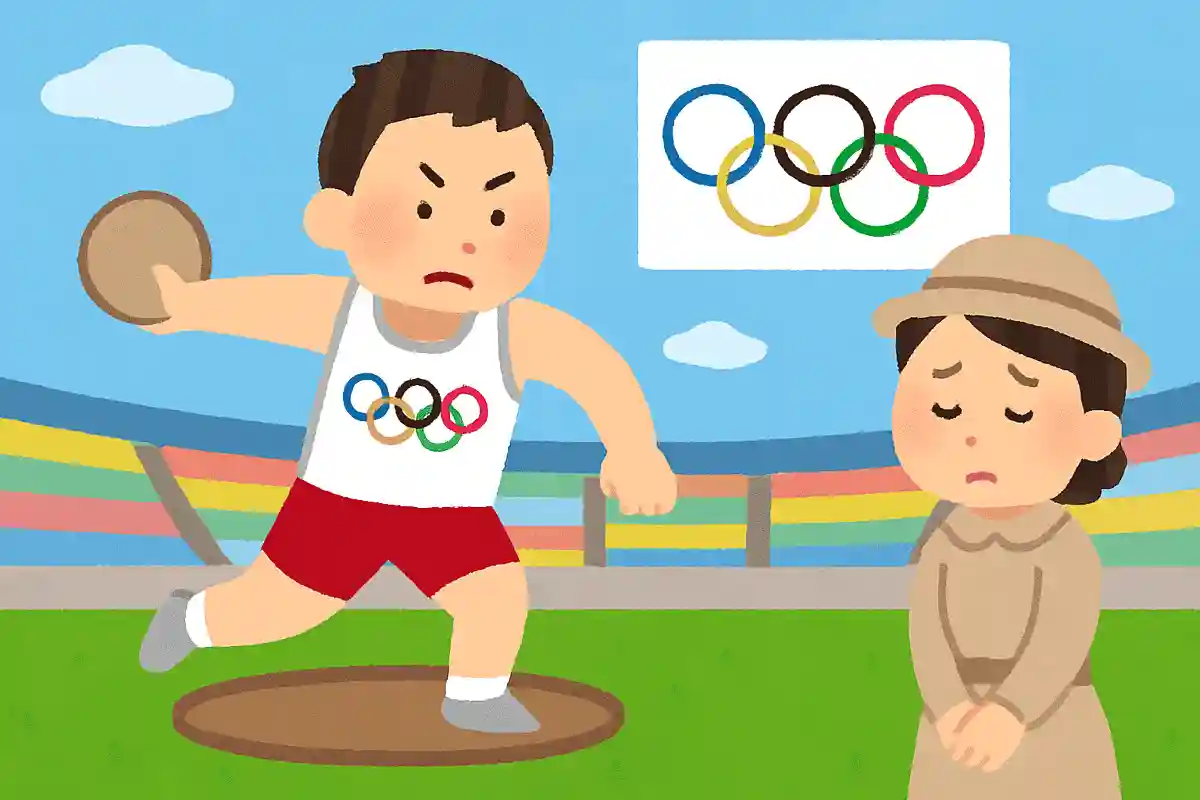
The Athens Games, first held in 1896, are remembered as a women-prohibited event in which female participation was not allowed.
This stemmed from the views of founder Pierre de Coubertin, whose ideal—rooted in the dynamism of the male athletes’ physiques in the ancient Olympics—led to this format.
Although women were allowed to participate at the second Games in Paris, it was limited to tennis and golf, indicating that the Olympics remained strict toward women for some time.
Looking at factors such as the ratio of male to female competitors may also reveal how the Games have pursued equality over time.
The headquarters of the International Olympic Committee is in Switzerland.
The Olympics involve many countries, including the host and participating nations; precisely because it’s an international event spanning multiple countries, the International Olympic Committee that oversees it is crucial.
The IOC is headquartered in Lausanne, Switzerland, and works for the Olympics as a non-profit, non-governmental organization.
Its location stems from Switzerland’s status as a permanently neutral country and as a politically stable hub for international institutions.
From various perspectives, you can sense a commitment to maintaining neutrality.
The beds in the Tokyo 2020 Athletes’ Village were made of cardboard.
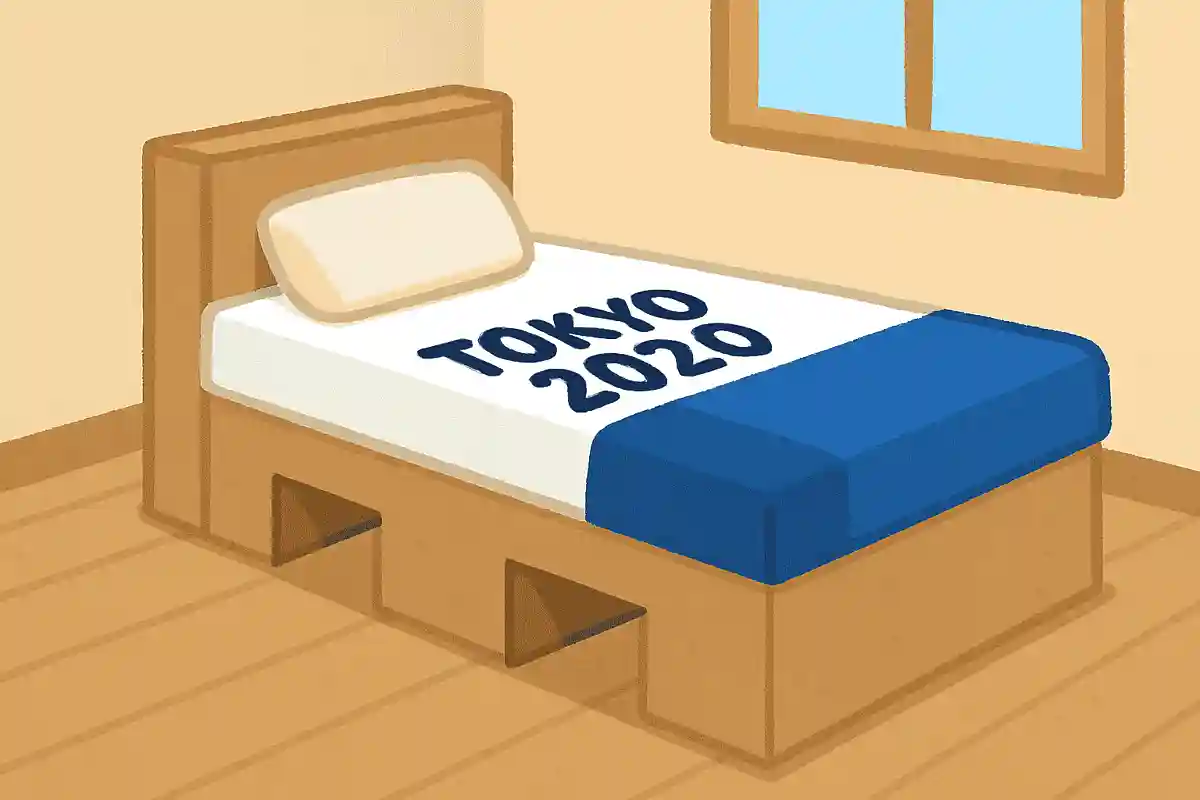
The beds installed in the Athletes’ Village for the Tokyo 2020 Games were made of cardboard out of consideration for the environment.
Despite being cardboard, they performed impressively, featuring a structure capable of supporting about 200 kilograms, which really showcases the technology involved.
The bedding was made by Airweave, and after use, the materials could be recycled as paper—these beds embodied a variety of thoughtful ideas.
Through this, the Tokyo Games effectively highlighted their commitment to sustainability.
The country that enters first in the opening ceremony is Greece.
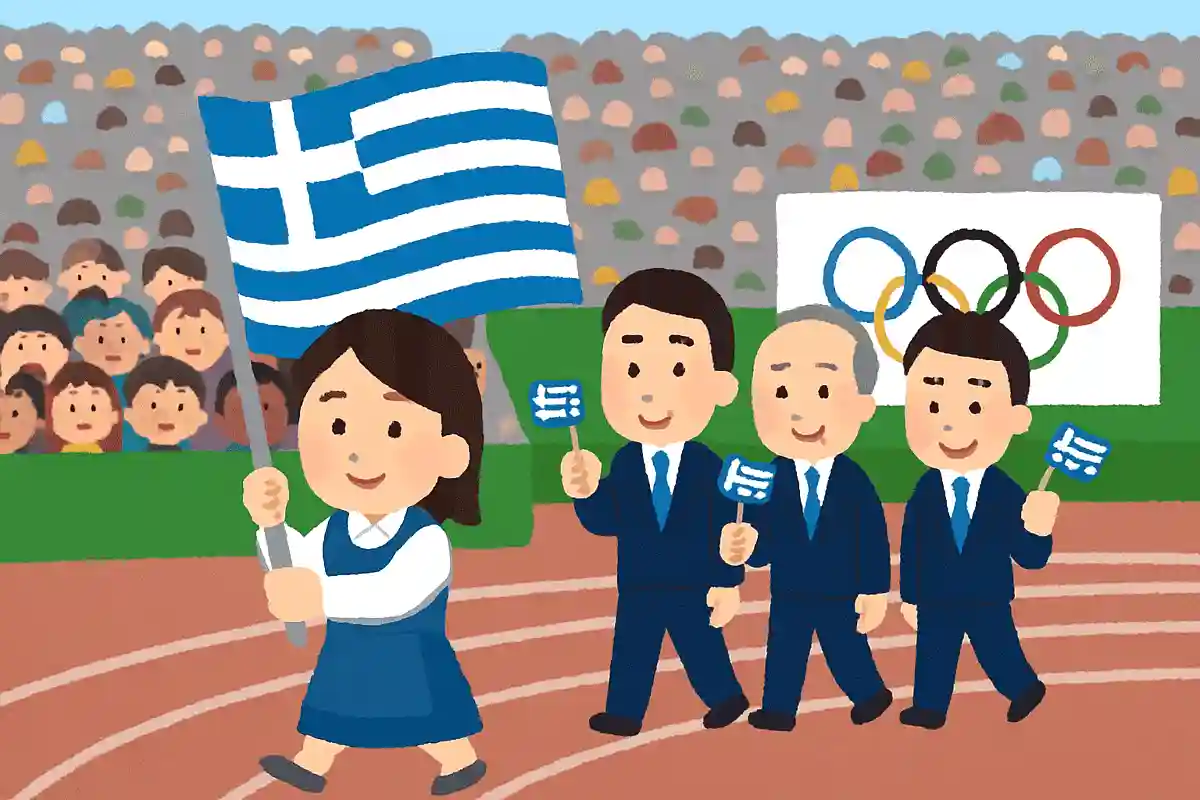
While the Olympics change in terms of host nations and participating countries, the one constant is that Greece always enters first in the opening ceremony.
First comes the Greek delegation, second the Refugee Olympic Team, third and onwards the other participating countries, and lastly the host nation.
This tradition relates to the origins of the Olympics: the first modern Games were held in Athens in 1896, and the Charter establishes Greece at the head of the parade.
It’s an interesting rule that lets you feel the history of the Olympics through the order of entry.
In the past, the Summer and Winter Olympics were held in the same year.
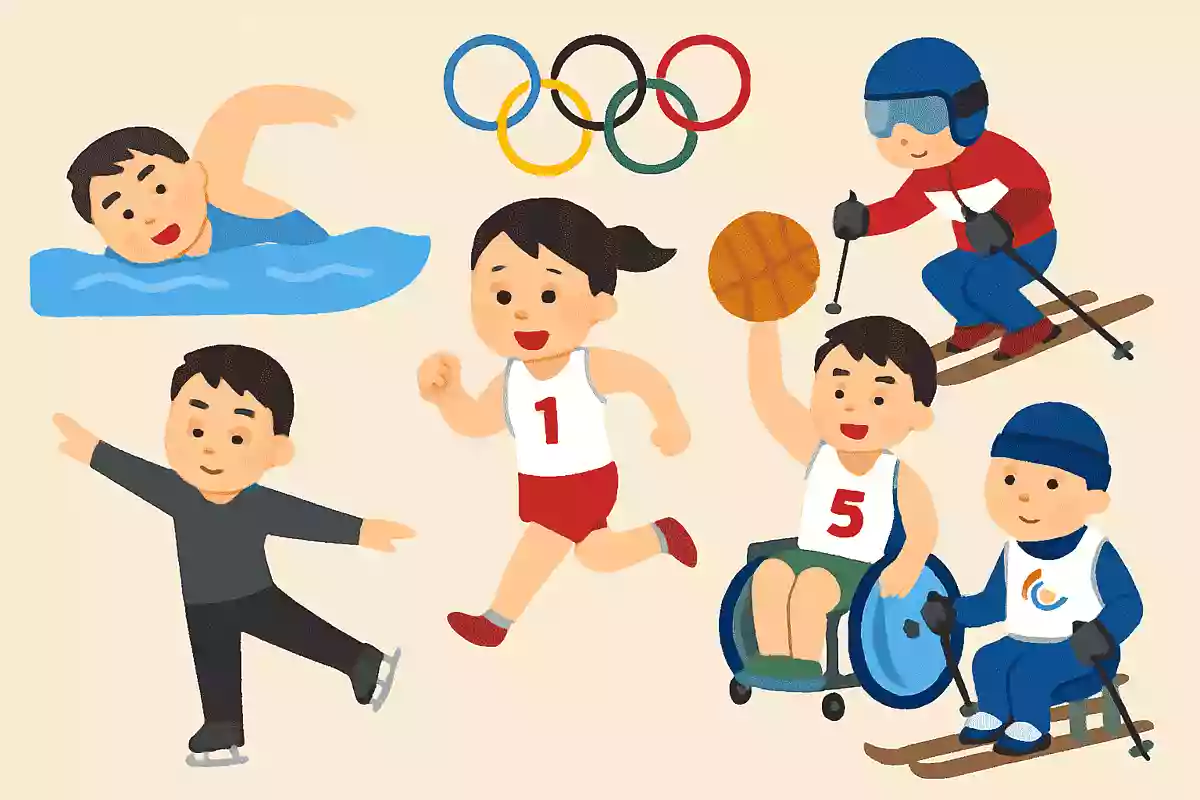
Speaking of the Olympics, the Summer and Winter Games are held alternately every two years.
This alternating schedule began with the 1994 Lillehammer Winter Olympics; before that, both the Summer and Winter Games were held in the same year.
There has been no official announcement explaining the reason, but a leading theory is that the change was made because the Summer Games draw more attention than the Winter Games.
It is also said the timing was shifted out of consideration for athletes who compete in both the Summer and Winter Games.
[For General Audience] Olympic and Paralympic Trivia & Fun Facts Quiz (21–30)
In Japan’s first appearance at the Winter Olympics, only skiers competed.
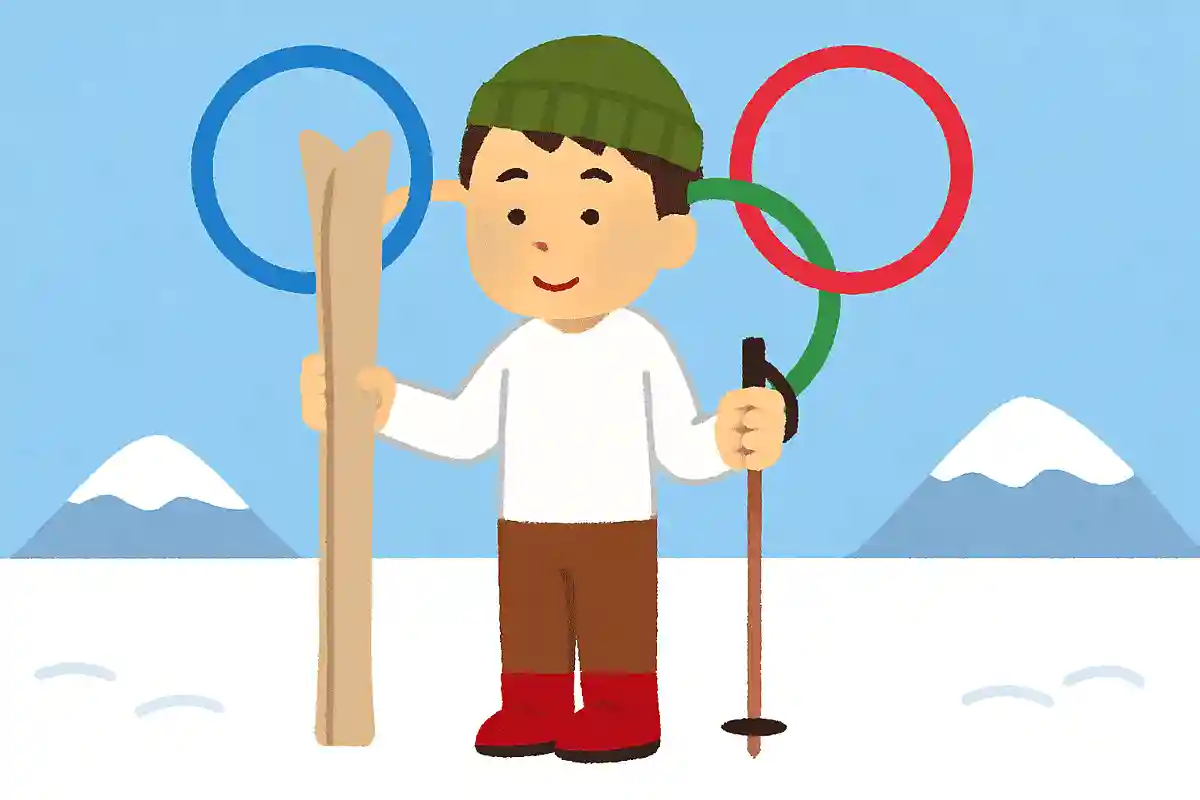
Japan first participated in the Winter Olympics at the second Games, held in St.
Moritz, Switzerland, in 1928.
The events were Nordic skiing, and a small team of six athletes and one manager was sent.
At the time, Japanese skiers were largely self-taught and imitated the techniques of international athletes by observation, so they were unable to achieve the desired results at the second Games.
However, after the event, they acquired knowledge in the advanced skiing nation of Norway, and showed significant progress in the postwar Games.
