

[For General Audience] Trivia & Fun Facts Quiz on the Olympics and Paralympics

How much do you know about the Olympics and Paralympics? Hidden behind this once-every-four-years festival are countless surprising stories you won’t find in textbooks.
We’ve gathered general-interest trivia and fun facts you’ll want to share—about the materials used for medals, the meaning of the Olympic rings, and unexpected events that were once official sports.
From tidbits that make watching more enjoyable to behind-the-scenes stories that will make you say “Wow!”, we cover a wide range.
Be sure to check it out before you watch the next Games!
- [For Elementary School Students] Sports Quiz
- A quiz of fun trivia: bite-sized knowledge that leads to new insights.
- A collection of quiz questions related to sports
- Trivia you think you know but surprisingly don’t? August trivia and fun facts quiz!
- [New Songs & All-Time] Olympic Cheer Songs and Olympic Theme Songs
- Trivia quiz with useful tips to know: fun facts that come in handy at school or at home [for kids]
- Surprisingly unknown? A fun health trivia quiz that will make you want to try it
- [Study] Fun to Know! A Collection of World History Trivia Quizzes
- [2026] FIFA World Cup | Historic Theme Songs That Colored the Tournament
- So interesting you’ll want to tell someone! December Trivia & Fun Facts Special
- [Exercise] Recreational Ideas for Olympic Sports
- A collection of trivia and fun facts about August that will warm your heart
- English will become more fun! A collection of trivia and fun facts about the English language.
[For General Audience] Trivia & Fun Facts Quiz on the Olympics and Paralympics (1–10)
Tug of war was once an official Olympic event.
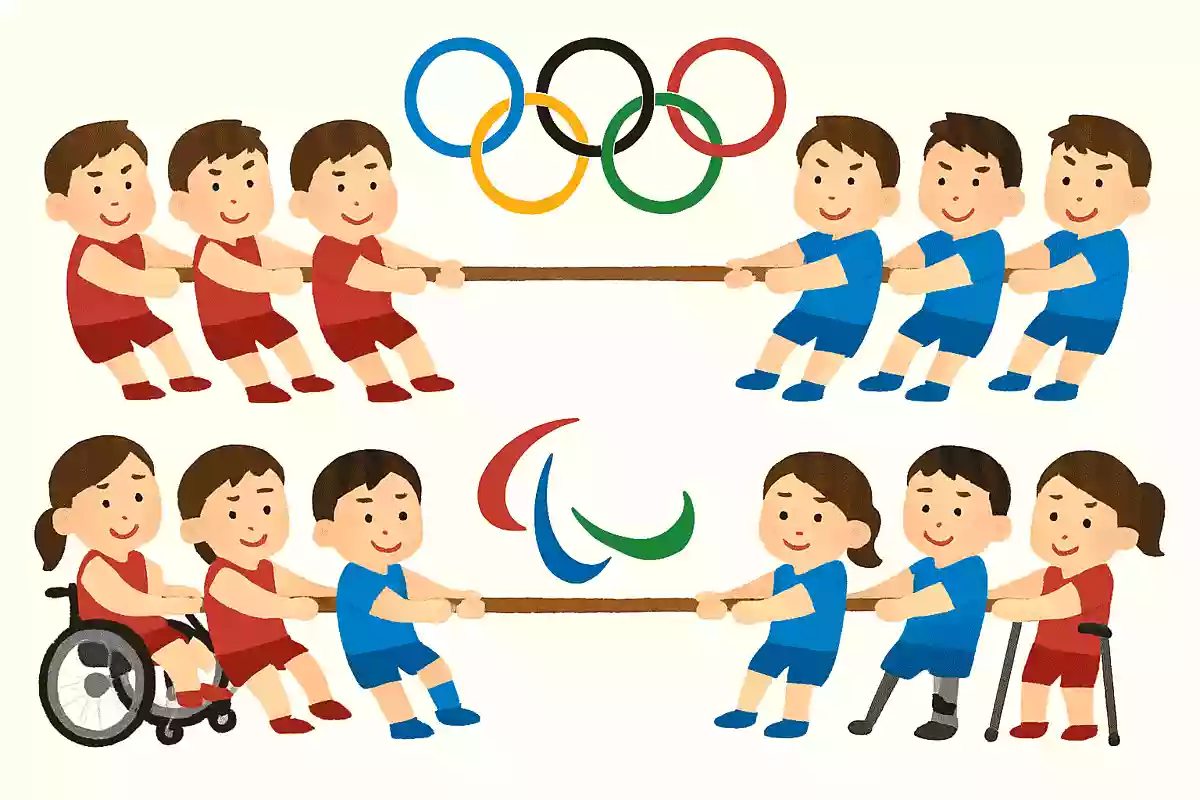
Tug-of-war, an event often seen at school sports festivals, was once one of the Olympic sports.
It was a crowd-pleaser and apparently one of the marquee events of the Summer Olympics, enjoying great popularity.
Tug-of-war was included as an Olympic event from 1912 to 1920.
However, the International Olympic Committee, considering the future expansion of the Olympics, decided to streamline several events.
Tug-of-war was reportedly dropped because it did not have a governing organization.
In 2002, the International Tug of War Federation joined the International Olympic Committee and has been aiming for the sport’s reinstatement in the Olympics.

The name “Olympics” originates from a place name in Greece.
The Olympic Games are a sporting festival held once every four years.
Do you know why they came to be called the Olympics? In fact, the word “Olympics” comes from a place name.
The modern Olympics, as we call them today, primarily aim to foster well-rounded human development through sport and to promote peace.
Over 2,700 years ago, however, the ancient Olympics were held for religious purposes.
They were a festival of sports and the arts to venerate Zeus, the supreme god of Greek mythology, along with many other deities.
The festival was held in Olympia, the sacred precinct of Zeus, and was called the Olympic Festival Games.
Olympia is the origin of the word “Olympics.”
The first sport in which Japan won a medal was tennis.
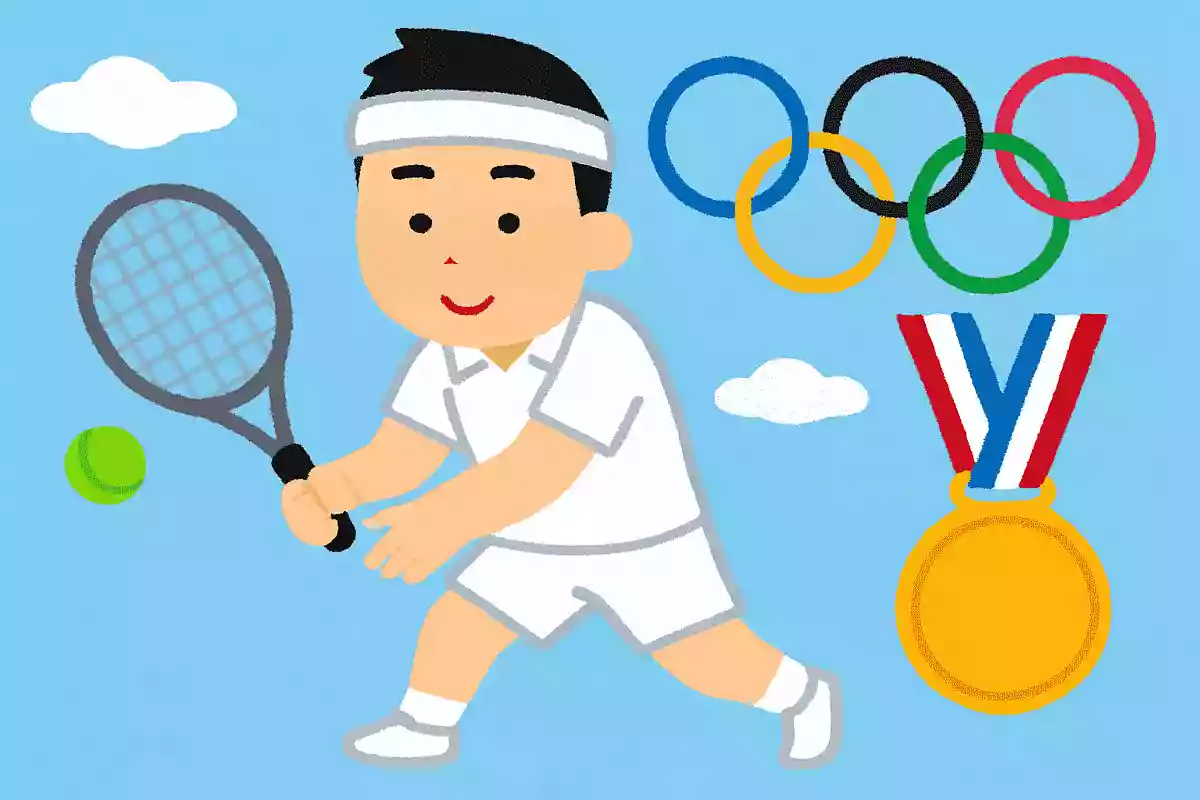
Japan has long participated in the Olympics, and stories of its historic first medal have been passed down.
At the tennis event of the 1920 Antwerp Games, Ichiya Kumagae won a silver medal—the first Olympic medal for Japan—and he also took silver in doubles with Seiichiro Kashio.
The fact that no Japanese tennis player medaled again until Kei Nishikori won bronze at the 2016 Rio de Janeiro Games underscores just how remarkable that achievement was.

[For General Audience] Trivia & Fun Facts Quiz on the Olympics and Paralympics (11–20)
The 1964 Tokyo Olympics were the first Olympic Games to be held in Asia.
The Tokyo Olympics held in 1964 were the first to take place in Asia.
For Japan, which had been defeated in World War II, the Games became an opportunity to showcase to the world its remarkable postwar recovery and development.
For example, there was rapid construction of the Shinkansen bullet train and expressways centered around Tokyo.
The final torchbearer at these Olympics was Yoshinori Sakai.
Sakai was born on August 6, 1945—the day the atomic bomb was dropped on Hiroshima.
His selection was said to reflect a wish to commemorate the victims of the atomic bomb and a hope for world peace.
There were no gold medals at the first Olympic Games.

Olympic medals are awarded in the order of gold, silver, and bronze for first through third place.
However, at the first modern Olympic Games, the medal for first place was not gold.
At the inaugural 1896 Athens Olympics, a silver medal was awarded for first place, a bronze medal for second, and no medals were given for third place or below.
At the time of the Athens Olympics, gold was not adopted because its price was high.
Gold was first adopted at the 1904 Games held in St.
Louis.
From the St.
Louis Games onward, gold was awarded for first place, silver for second, and bronze for third.
Reasons for adopting gold include consideration of its value and rarity as a metal.
There also appears to be a theory based on the chronological ages in Greek mythology.
If you place 4th to 8th, you will receive a certificate.
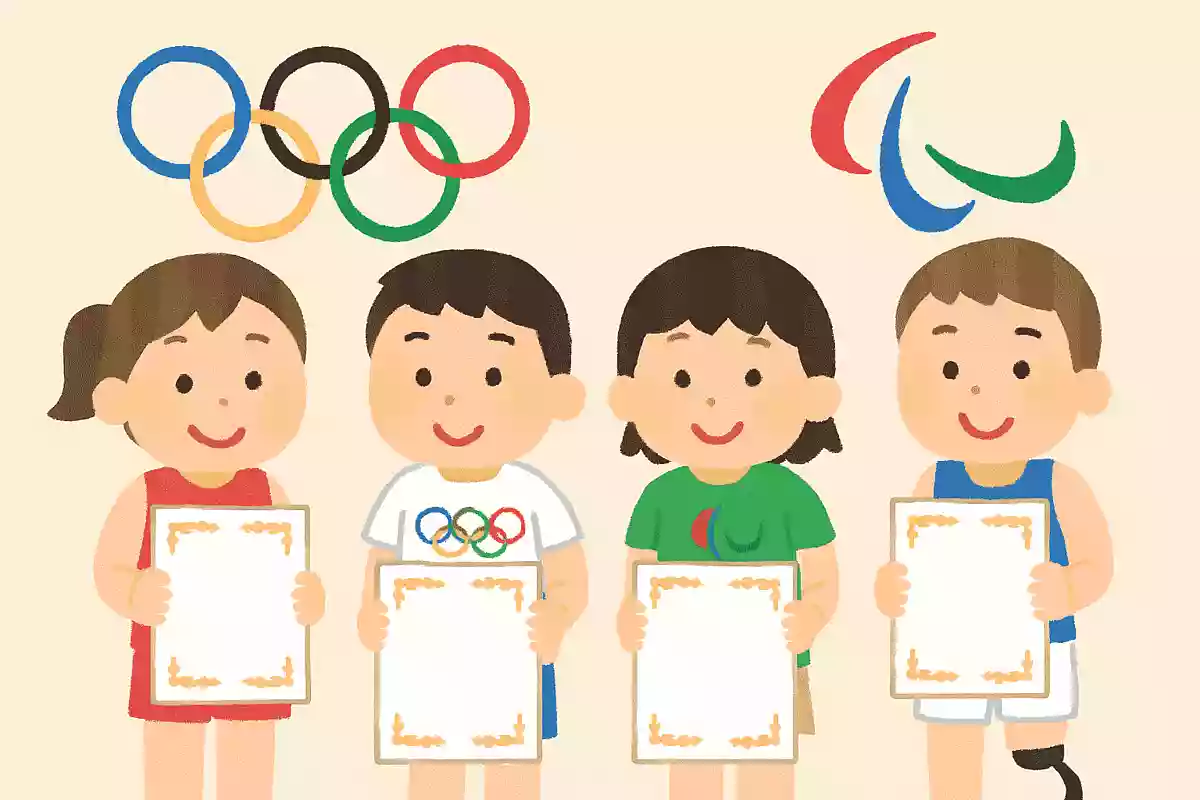
Olympic medalists are the athletes who place in the top three, but those who come close also achieve excellent results.
Although athletes who finish fourth and beyond do not receive medals, those who place within the top eight are awarded certificates.
Because track sprint events in athletics and swimming are contested by eight athletes, eight competitors are considered finalists and are recognized as prize winners.
It’s a system that not only gives tangible form to their hard-earned results, but also serves as motivation for their future careers and for aiming for the next medal.
Equestrian sports are conducted without distinguishing between men and women.
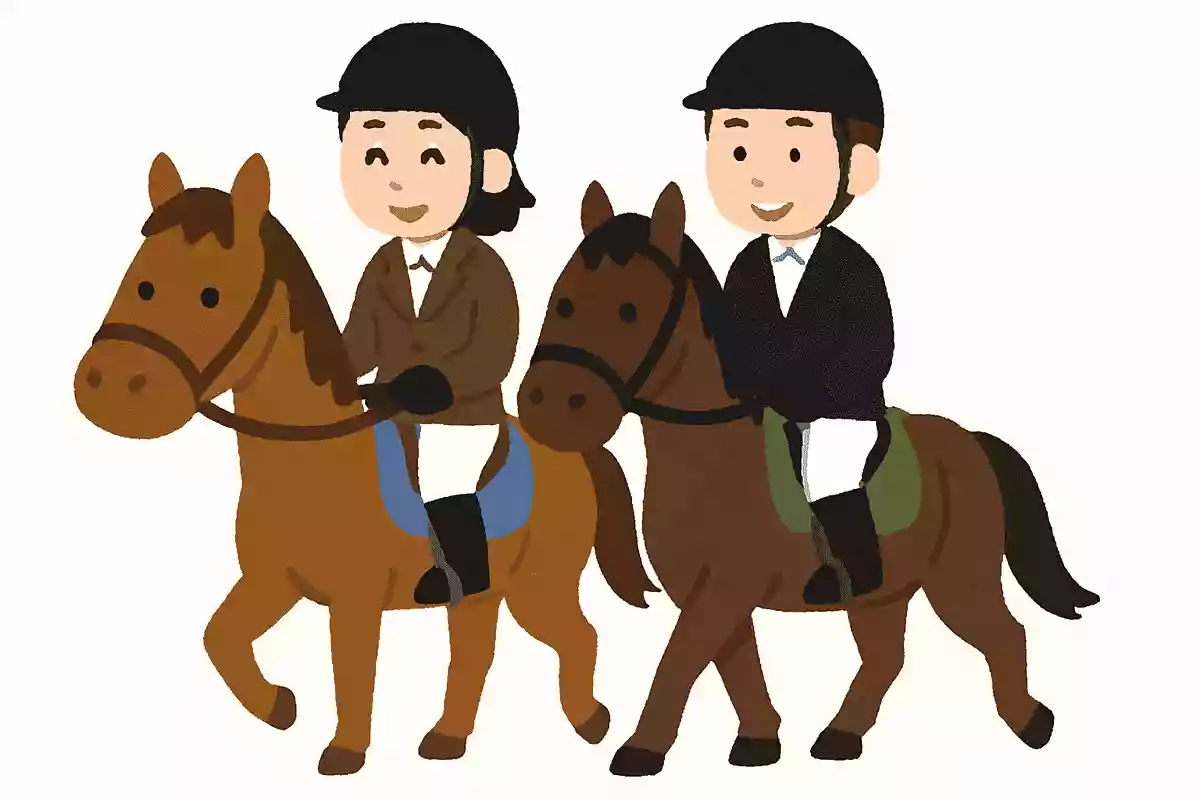
Equestrian events pit humans and horses together as one to compete for victory.
At the Olympics, equestrian is the only sport conducted with animals.
Three disciplines are contested: dressage, show jumping, and eventing.
Equestrian makes no distinction between men and women.
Up until the 1952 Helsinki Games, only male military personnel could participate, but afterward, civilian men and women were allowed to compete.
Equestrian primarily relies on the horse’s athletic energy, while the rider’s role is to condition the horse and provide balance.
If a rider can control the horse skillfully, men and women can compete on equal footing.
Another hallmark of the sport is the wide range of athletes’ ages.