

Get the party started at your autumn food gathering! A collection of surprising trivia quizzes and fun facts you might not know

The more you learn about autumn food culture, the more you discover the depth of the stories hidden within it.
Fifteen rice dumplings offered for moon viewing, the Tohoku tradition of imoni stew parties, ohagi for the equinoctial week… Autumn foods are imbued with the feelings, wisdom, and gratitude of those who came before us.
In this article, we’ll share quizzes and fun facts about autumn food culture.
Why not enjoy them with family and friends and deepen your understanding of Japanese traditions? You might just see the seasonal flavors you usually eat without a second thought in a whole new light! Feel free to use this as inspiration for your autumn gatherings and events.
- Get kids excited at the autumn food party! Trivia quiz and fun facts
- How many can you solve? An Otsukimi trivia quiz from general knowledge to surprising fun facts
- September Trivia Quiz & Fun Facts! A Fun Autumn Quiz for Kids
- A collection of trivia and fun facts about September as we await autumn
- Fun October Trivia Quiz & Facts! Exciting Questions for Kids
- Fun facts you’ll want to share! A roundup of October trivia and tidbits
- How many can you answer? Trivia and fun facts quiz about rice
- Trivia and fun facts about food (summary)
- Liven up with sports day trivia quizzes! Fun facts you’ll be glad to know
- How many can you solve? A surprising trivia and fun facts quiz about total lunar eclipses
- Deepen your knowledge of food! A three-choice trivia quiz
- A quiz of fun trivia: bite-sized knowledge that leads to new insights.
- Trivia quiz for the Day of the Ox in midsummer: little-known facts about customs
Get the party started at your autumn food gathering! Little-known trivia quiz and fun facts (1–10)
What is the purpose of offering dumplings on the night of the harvest moon?

- to give thanks to the moon god
- To pray for a good harvest
- To pray for my family's health
See the answer
To pray for a good harvest
Jugoya, an autumn festival in Japan. Offering rice dumplings on Jugoya expresses gratitude for the autumn harvest and hopes for future bounty. People present dumplings shaped like the moon and pray for the safe ripening of crops.

When did the Fifteenth Night (moon-viewing) festivities become widespread as part of aristocratic culture?
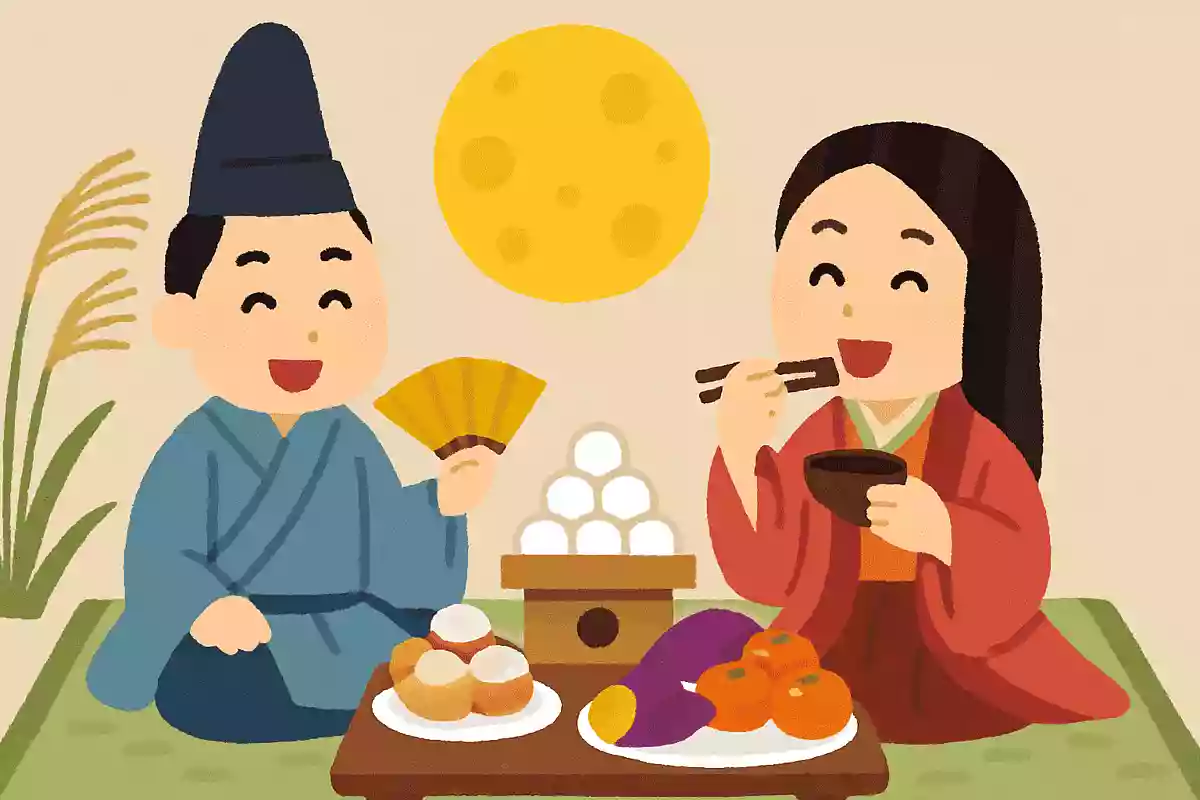
- Nara period
- Heian period
- Edo period
See the answer
Heian period
The Jugo-ya observance, commonly known as “moon viewing,” was originally a celebration of the harvest. Moon-viewing on the night of the full moon became popular among the aristocracy during the culturally flourishing Heian period. At that time, nobles enjoyed banquets where they gazed at the moon from by ponds or aboard boats.
What is the autumn hot pot that can be eaten on a riverbank in the Tohoku region?
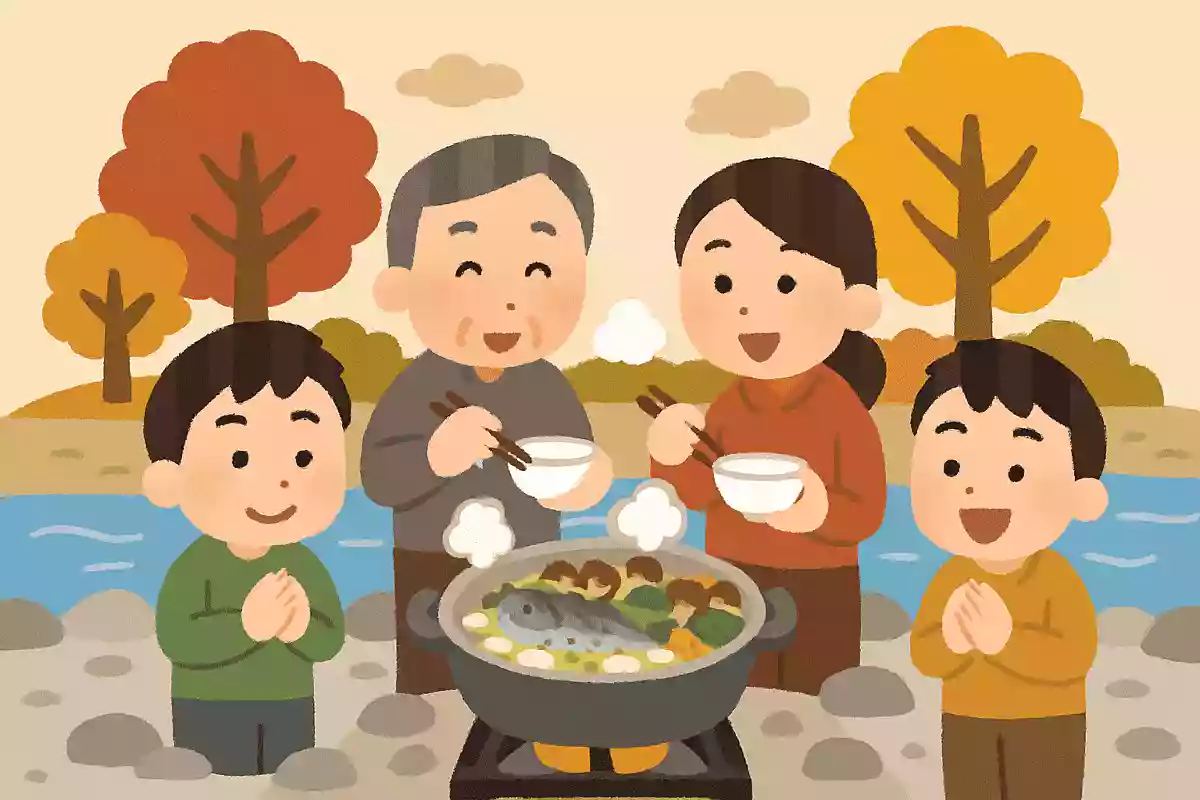
- crab hot pot
- Imoni (taro and meat stew)
- Kiritanpo hot pot
See the answer
Imoni (taro and meat stew)
Imoni gatherings are traditional hot-pot events mainly enjoyed in the Tohoku region in autumn, where people from children to adults come together along riverbanks and other spots. In particular, in Yamagata Prefecture, imoni made with taro, meat, konnyaku, and other ingredients is an iconic autumn tradition.
Get the party started at your autumn food gathering! Little-known trivia quiz and fun facts (11–20)
What leisure activities are popular in autumn?
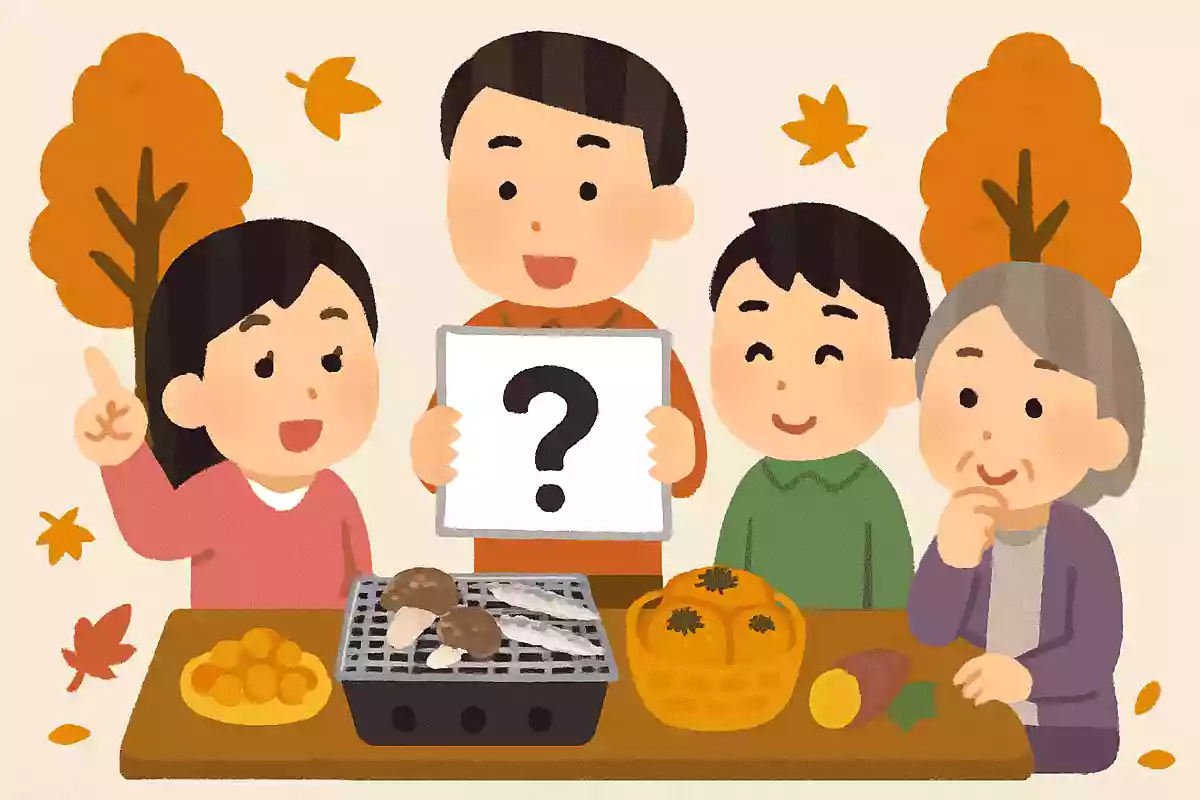
- barbecue
- mushroom hunting
- cherry-blossom viewing
See the answer
mushroom hunting
Autumn is the mushroom harvest season, and more people are enjoying mushroom picking with family and friends in the hills and fields or at specialized facilities. It’s a popular leisure activity where you can taste fresh mushrooms on the spot. The ability to obtain the flavors of autumn directly is also a key reason for its popularity.
What is the event where you can eat “chestnut rice,” famous at harvest festivals as an autumn delicacy?
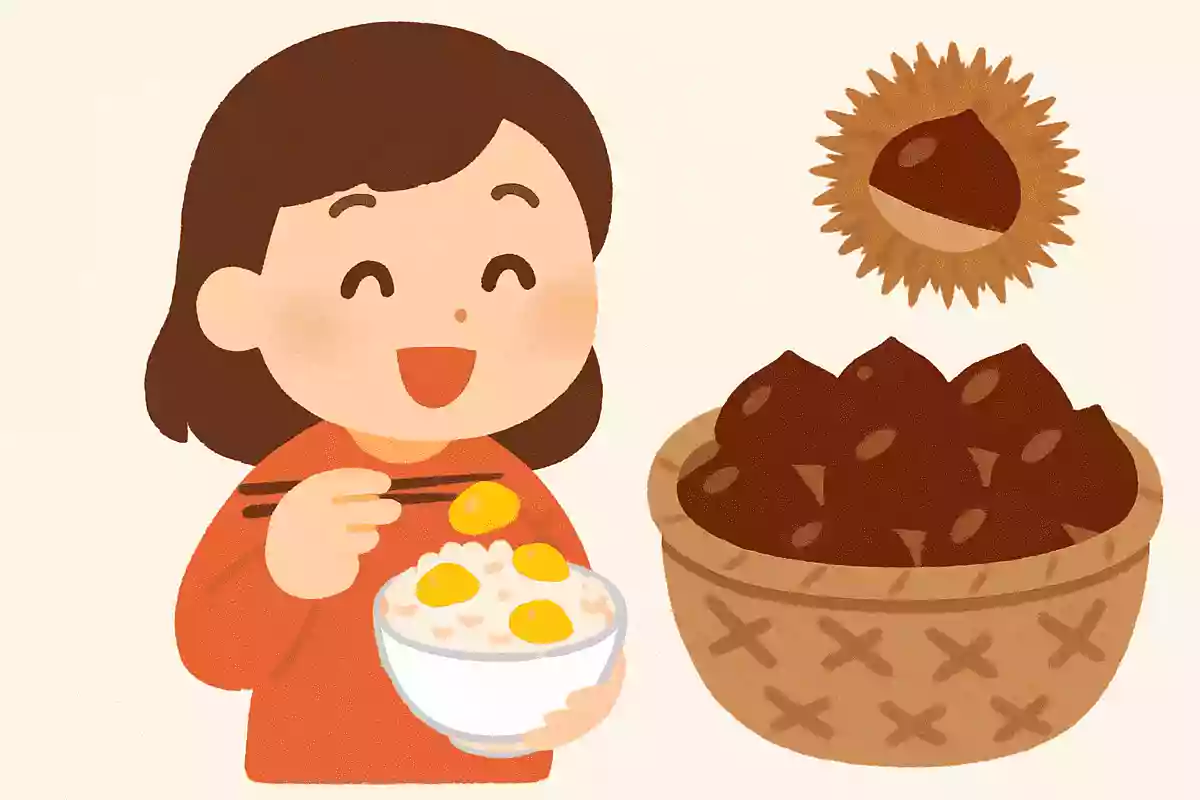
- Niinamesai (Harvest Festival)
- New Year (Japanese New Year)
- Boys' Festival (Tango no Sekku)
See the answer
Niinamesai (Harvest Festival)
Niinamesai is a traditional ceremony where people express gratitude to the deities by eating newly harvested rice and autumn delicacies. Chestnut rice is also commonly served at home and at events as a dish celebrating the autumn harvest. In autumn, you’ll often find “chestnut rice,” made with seasonal chestnuts, on the table.
What is typically eaten during the autumn equinoctial week (Autumnal Equinox Day)?
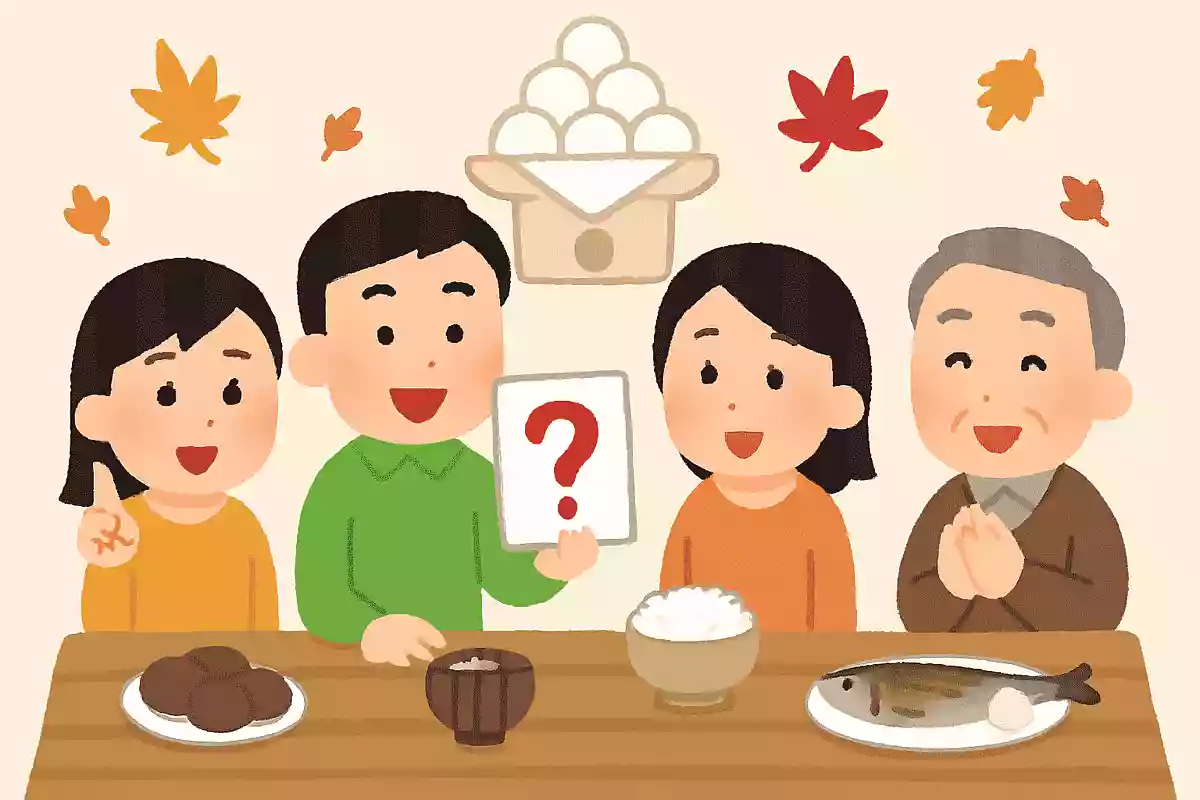
- ohagi (sweet rice balls coated with red bean paste)
- Sakura mochi
- kashiwa mochi (oak leaf-wrapped rice cake)
See the answer
ohagi (sweet rice balls coated with red bean paste)
During the autumn equinoctial week (Autumnal Equinox Day), there is a custom of eating ohagi—sweet rice cakes wrapped in red bean paste—to honor one’s ancestors. Ohagi are traditional Japanese confections made of glutinous rice covered with sweet red bean paste, and they also carry the meaning of giving thanks for the autumn harvest.
Why is the traditional Autumnal Equinox food “ohagi” eaten?
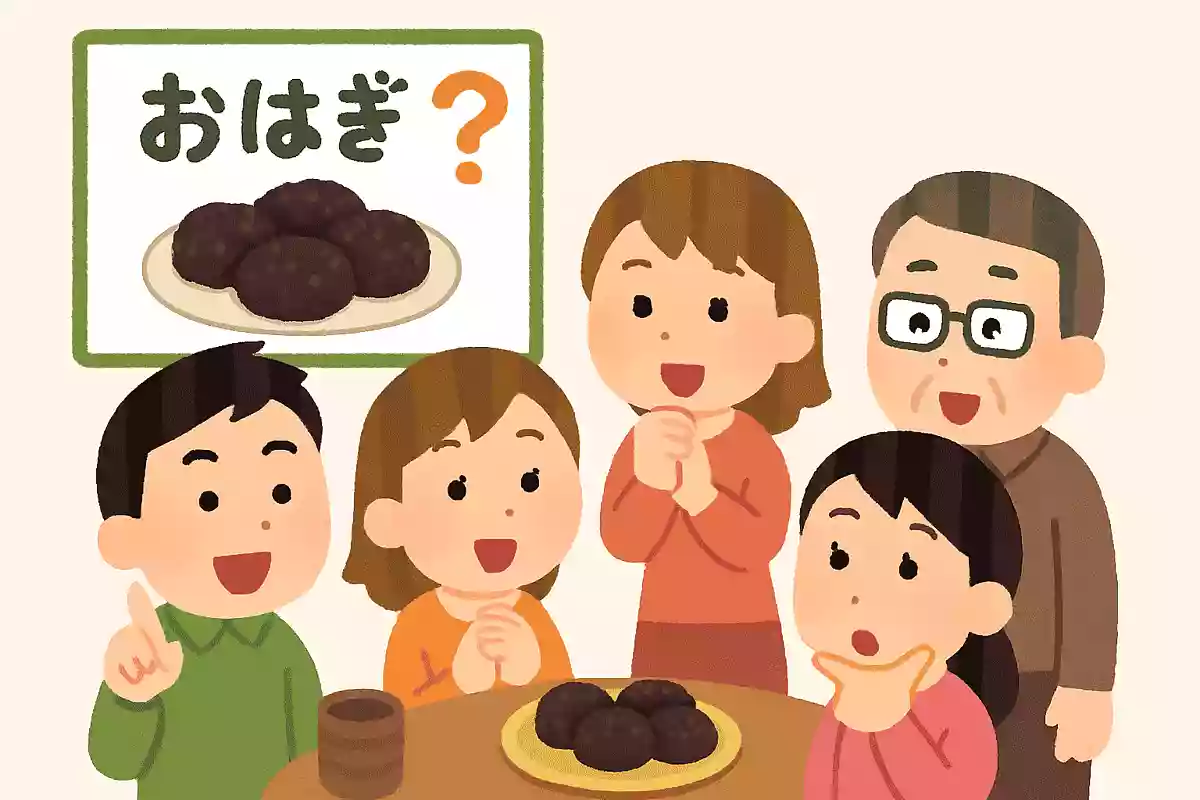
- To celebrate the autumn harvest
- Because it is appropriate as an offering to our ancestors.
- For wishing for a long and healthy life
See the answer
Because it is appropriate as an offering to our ancestors.
Ohagi have long been eaten on the autumnal equinox. The red color of the sweet red bean paste (azuki) has been believed to ward off misfortune and evil, making it suitable as an offering to one’s ancestors. So there are reasons rooted in old customs and in the ingredients of the bean paste.