

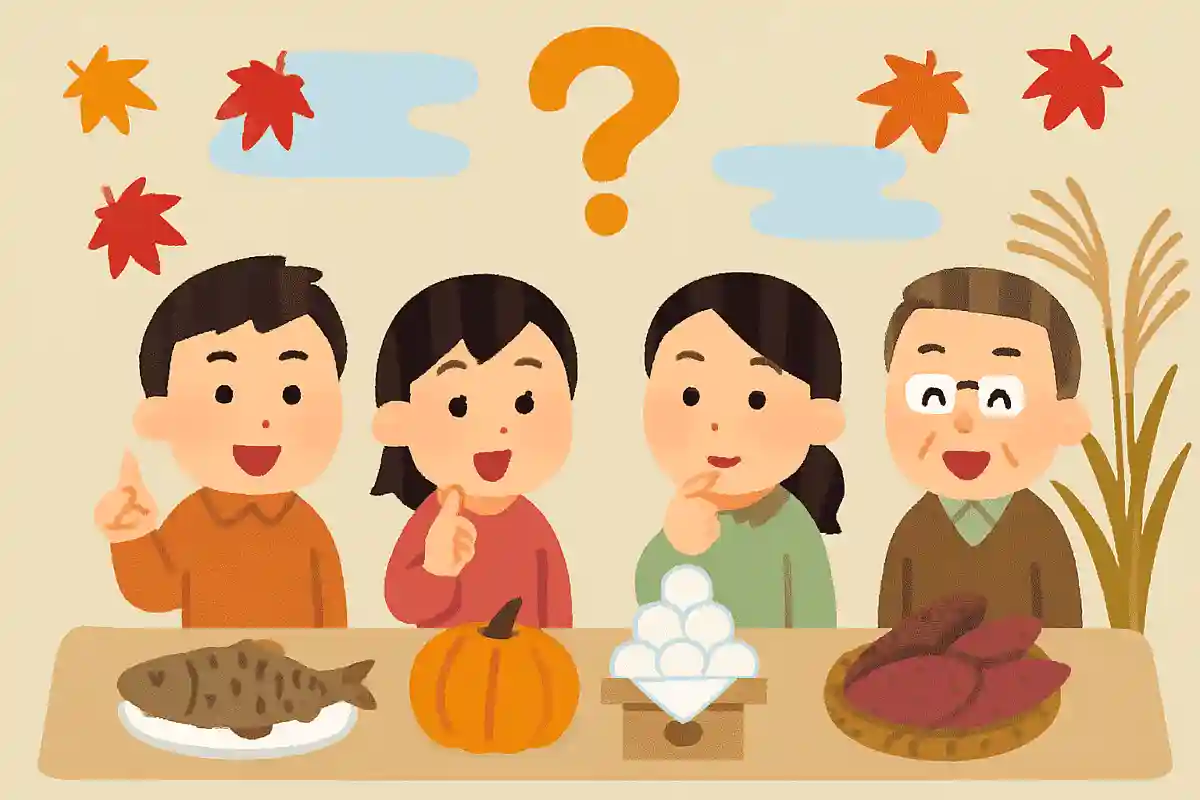

The more you learn about autumn food culture, the more you discover the depth of the stories hidden within it.
Fifteen rice dumplings offered for moon viewing, the Tohoku tradition of imoni stew parties, ohagi for the equinoctial week… Autumn foods are imbued with the feelings, wisdom, and gratitude of those who came before us.
In this article, we’ll share quizzes and fun facts about autumn food culture.
Why not enjoy them with family and friends and deepen your understanding of Japanese traditions? You might just see the seasonal flavors you usually eat without a second thought in a whole new light! Feel free to use this as inspiration for your autumn gatherings and events.
- Get kids excited at the autumn food party! Trivia quiz and fun facts
- How many can you solve? An Otsukimi trivia quiz from general knowledge to surprising fun facts
- September Trivia Quiz & Fun Facts! A Fun Autumn Quiz for Kids
- A collection of trivia and fun facts about September as we await autumn
- Fun October Trivia Quiz & Facts! Exciting Questions for Kids
- Fun facts you’ll want to share! A roundup of October trivia and tidbits
- How many can you answer? Trivia and fun facts quiz about rice
- Trivia and fun facts about food (summary)
- Liven up with sports day trivia quizzes! Fun facts you’ll be glad to know
- How many can you solve? A surprising trivia and fun facts quiz about total lunar eclipses
- Deepen your knowledge of food! A three-choice trivia quiz
- A quiz of fun trivia: bite-sized knowledge that leads to new insights.
- Trivia quiz for the Day of the Ox in midsummer: little-known facts about customs
Get the party started at your autumn food gathering! Little-known trivia quiz and fun facts (1–10)
Which food is offered on the Night of the Thirteenth Moon?
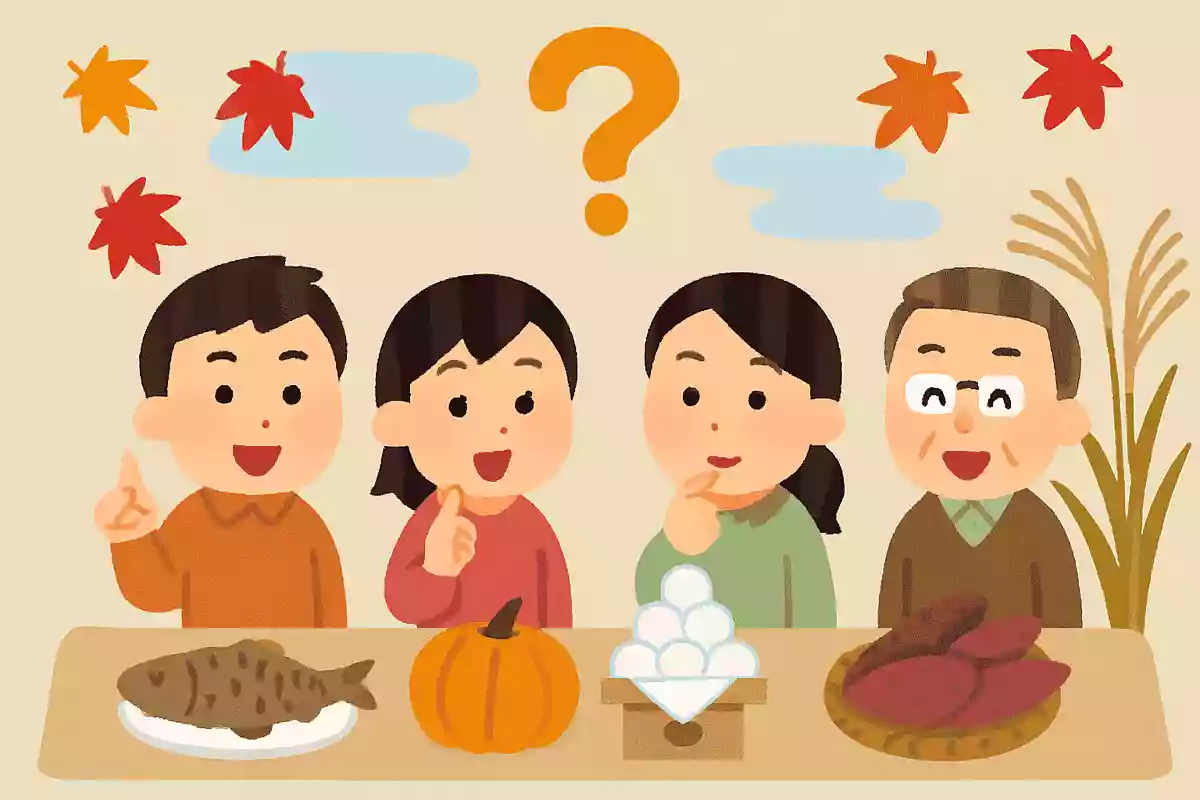
- chestnut
- sweet potato
- edamame
See the answer
edamame
The Thirteenth Night falls on the 13th day of the ninth month in the lunar calendar and is also called the Chestnut Moon or the Bean Moon. On this autumn night, there is a custom of offering specific foods while viewing the full moon. As a result, people offer edamame and chestnuts, with edamame (immature soybeans), which are in season in autumn, being especially representative.

What is the traditional candy that children carry for Shichi-Go-San?
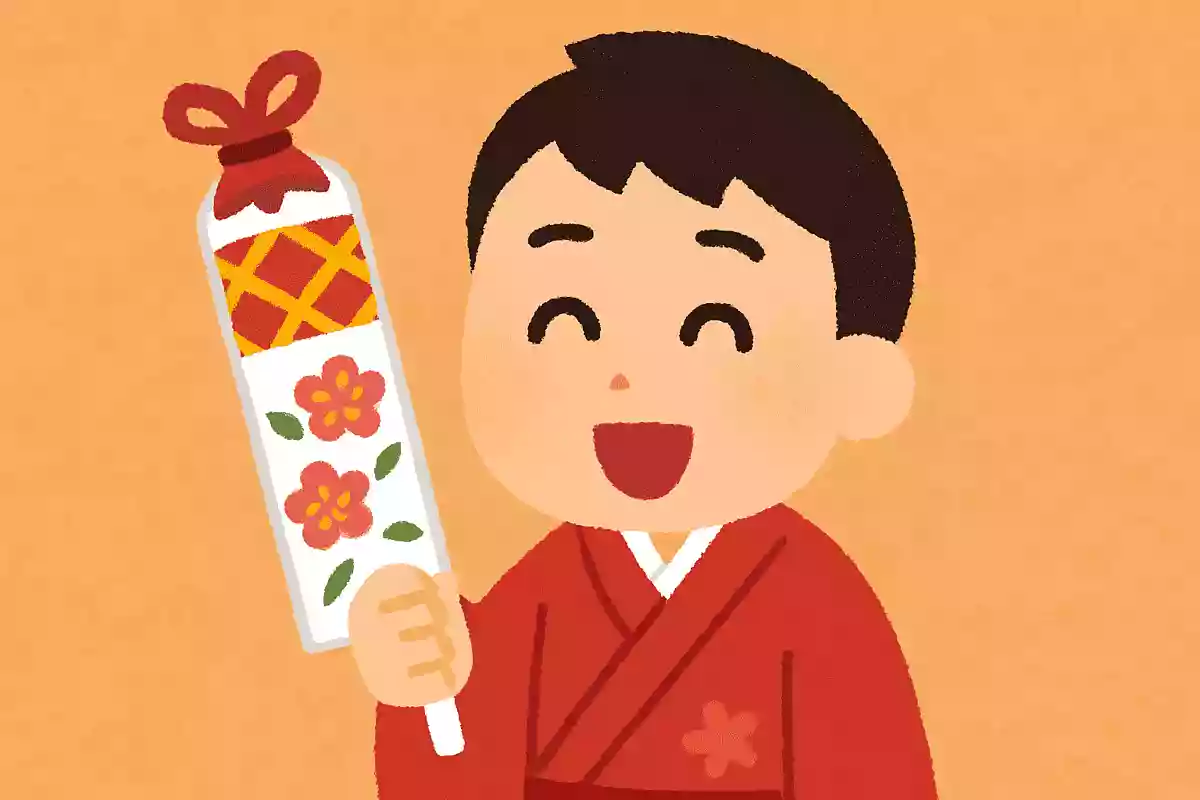
- Chitose Ame (longevity candy)
- Kintaro candy
- amber sugar candy
See the answer
Chitose Ame (longevity candy)
The traditional candy children carry for Shichi-Go-San is called Chitose Ame. It’s long and thin to symbolize wishes for longevity and good health, and it’s given out in special bags called chitose-bukuro. You often see children holding them during Shichi-Go-San celebrations.
What are the main ingredients used in imoni gatherings?
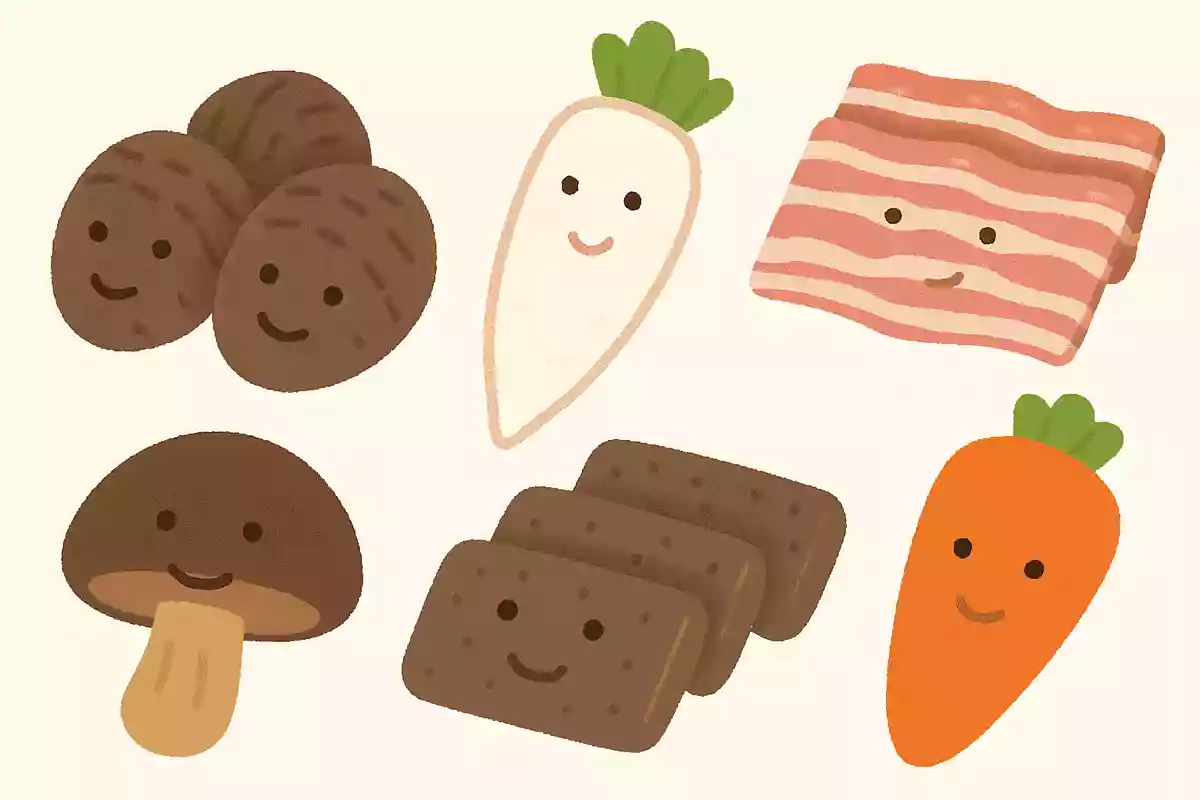
- taro (taro root)
- pumpkin
- daikon radish
See the answer
taro (taro root)
Imonikai, an autumn tradition, is an event mainly held in the Tohoku region, known for a hot-pot dish featuring taro as the main ingredient. Other ingredients like meat, green onions, and konnyaku are also used, but taro is the star of the dish.
Which food is offered on the Night of the Thirteenth Moon?
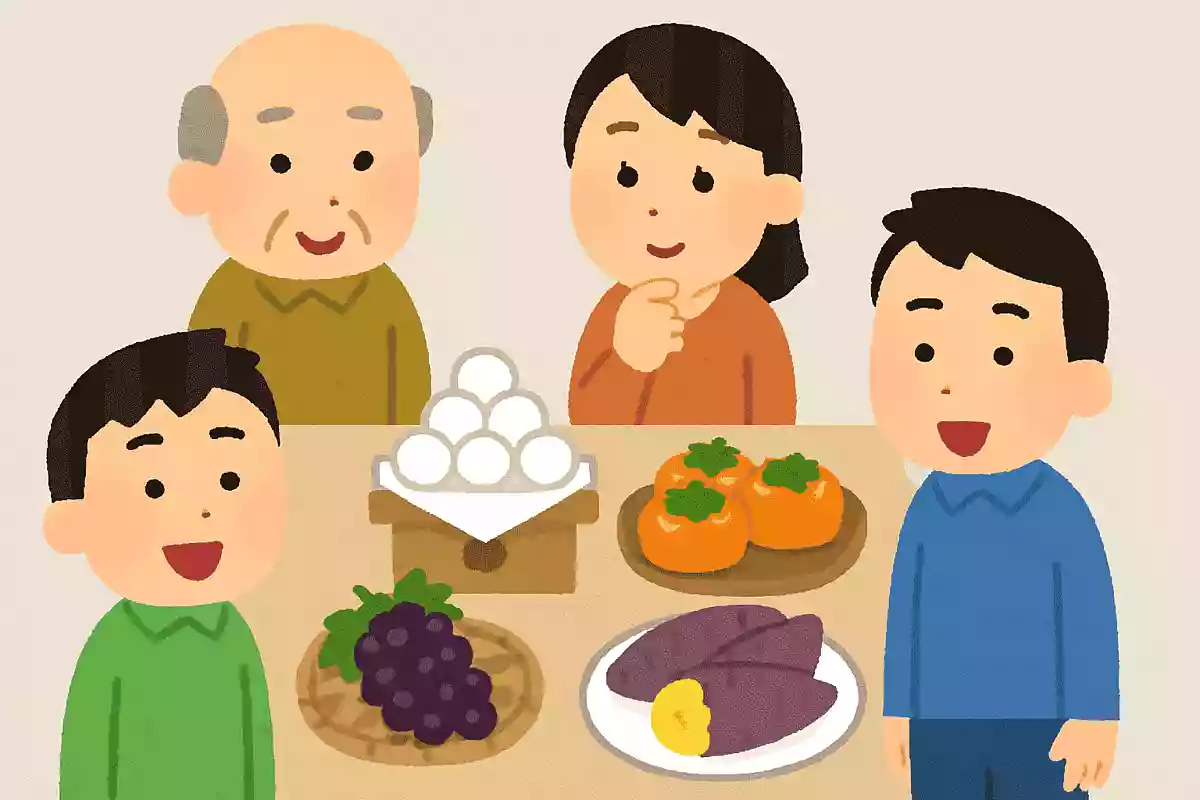
- dumpling
- taro (specifically, the variety known as satoimo in Japanese)
- chestnut
See the answer
chestnut
In autumn in Japan, there are moon-viewing events called Jūgoya (the night of the full moon) and Jūsan'ya (the night of the waxing moon). For Jūsan'ya, it is customary to offer autumn harvests such as chestnuts and edamame in gratitude for the harvest, and moon-viewing on Jūsan'ya is also known as Kuri Meigetsu, or “Chestnut Moon.”
What is traditionally eaten during the autumn Higan (Autumnal Equinox Day)?
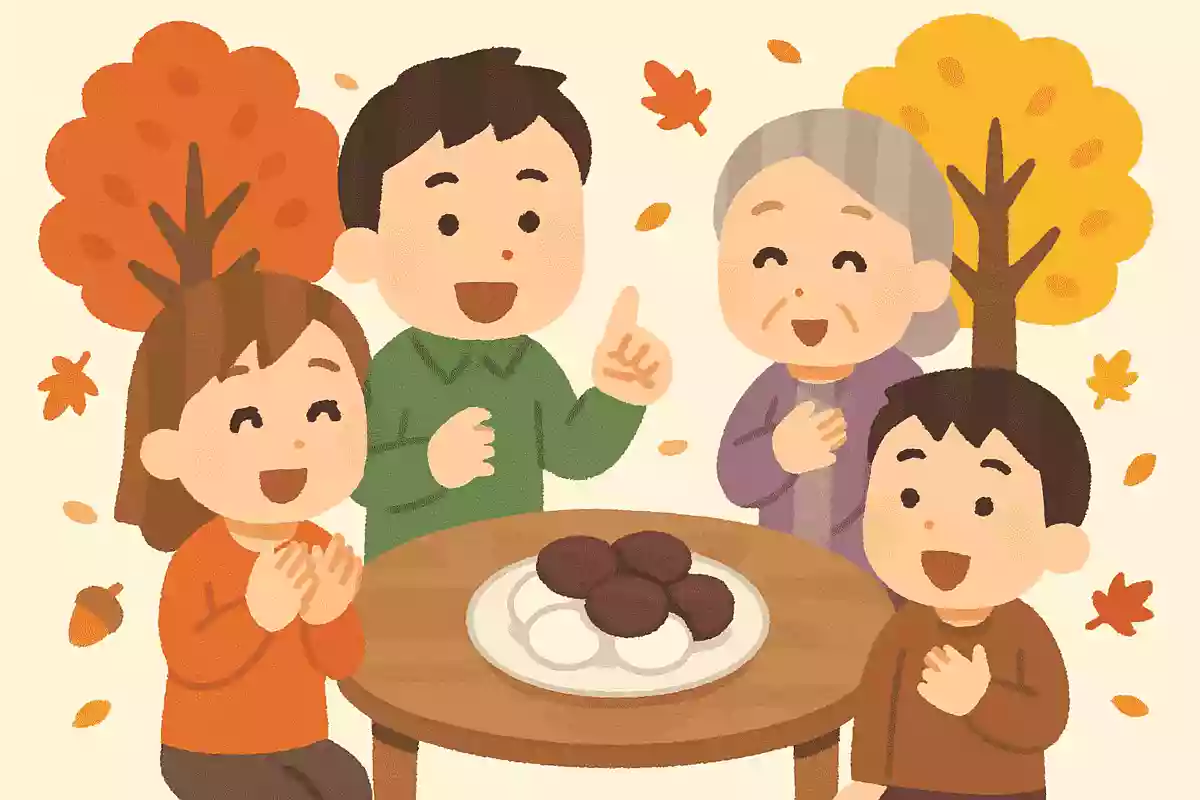
- ohagi (sweet rice balls coated with red bean paste)
- mochi
- kashiwa mochi (rice cake wrapped in oak leaf)
See the answer
ohagi (sweet rice balls coated with red bean paste)
On the Autumnal Equinox (the autumn Higan), there is a custom of eating ohagi, a sweet made of glutinous rice wrapped in sweet red bean paste. During the spring Higan, it is sometimes called botamochi, but they are basically the same food.
What Japanese confectionery is eaten on the Autumnal Equinox?
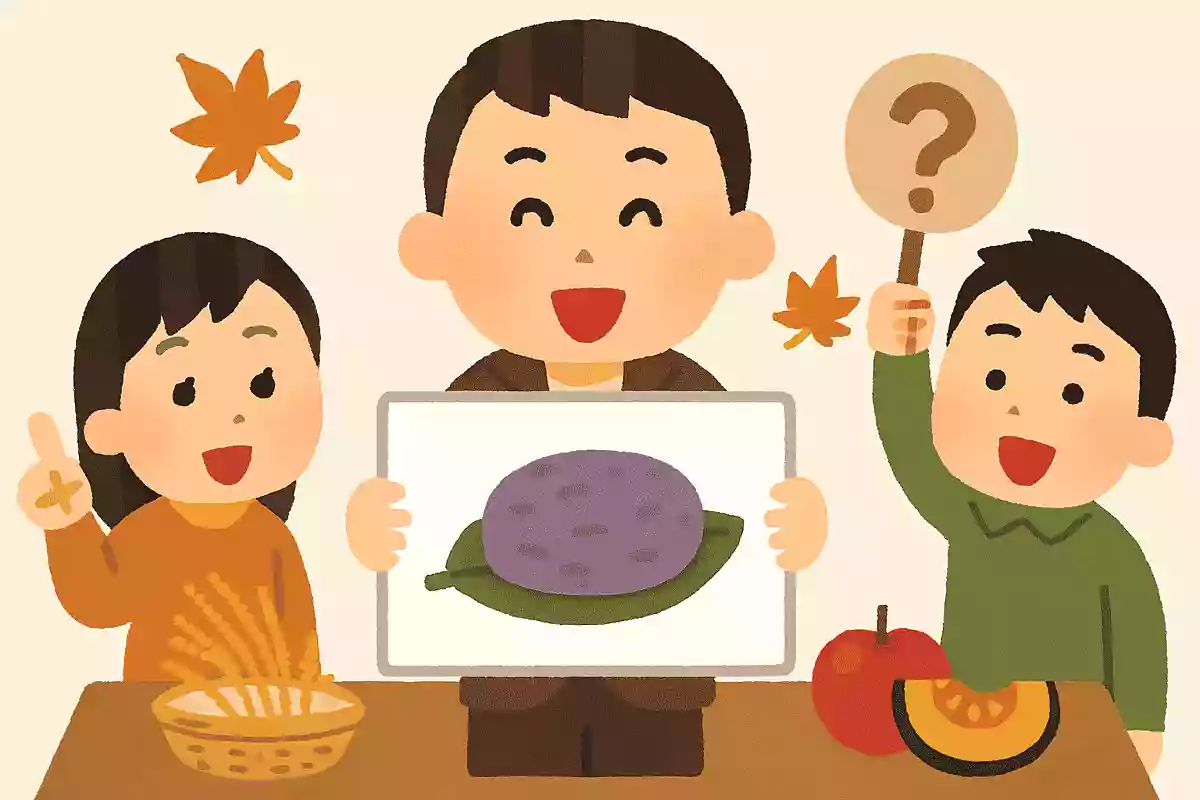
- Sakura mochi
- kashiwa mochi (oak leaf-wrapped rice cake)
- ohagi (sweet rice balls coated with red bean paste)
See the answer
ohagi (sweet rice balls coated with red bean paste)
On the Autumnal Equinox, there is a custom of eating ohagi to express gratitude to one’s ancestors. During the spring equinoctial week, it is also called botamochi, but it is almost the same confection; the name changes with the season.
How many rice dumplings are offered on the night of the full moon (Jūgoya)?
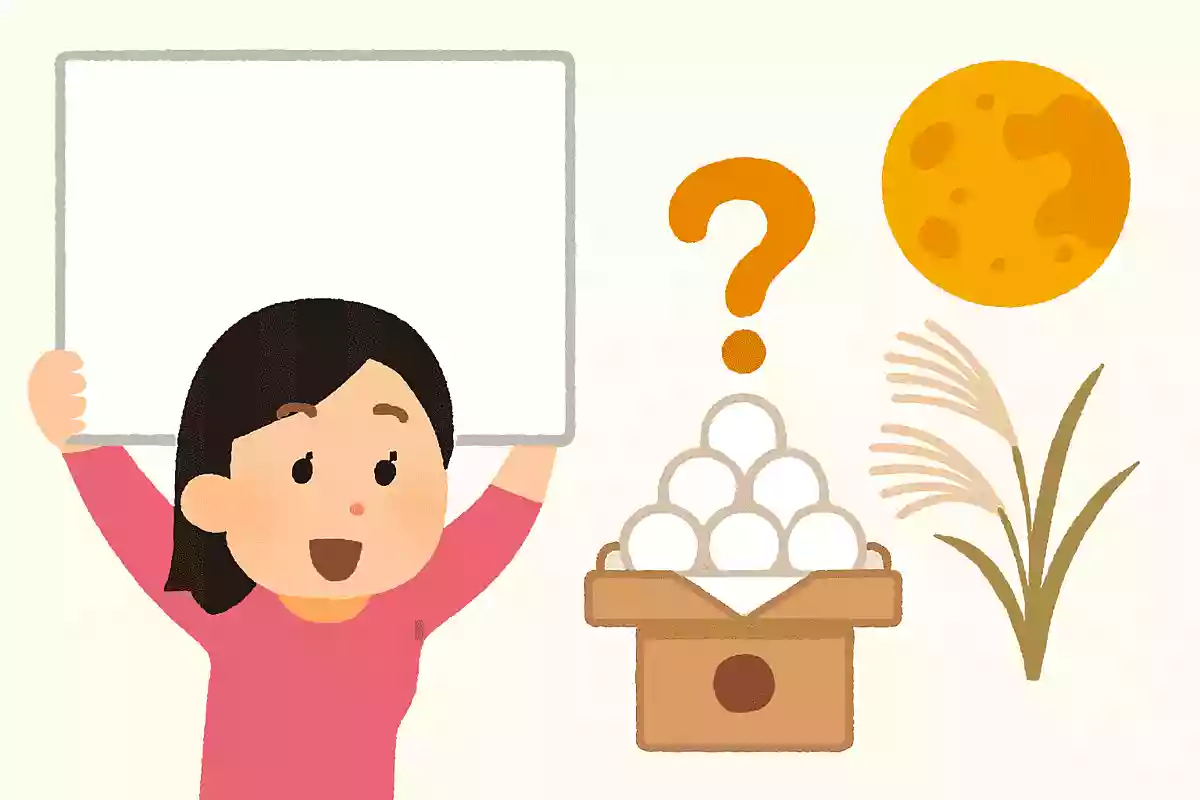
- 10 pieces
- 15 pieces
- 12 pieces
See the answer
15 pieces
On the night of the full moon festival, it is customary to stack and offer 15 rice dumplings to represent the number fifteen. This tradition is tied to the 15th day of the 8th month in the old lunar calendar and spread as a custom of expressing gratitude to the moon while praying for a good harvest. Even the familiar moon-viewing has a deep history behind it.