

Blues masterpieces—from prewar blues to blues rock

A wellspring of inspiration for rock ’n’ roll and a genre adored by the giants of music history, the blues is a style that reveals deeper and deeper richness the more you listen.
That said, even rock fans who are somewhat interested may feel there’s a high barrier to getting into it.
In this article, for those who are about to step into the world of the blues, we’ll present—at a glance—the essential classics and fan favorites you can’t skip when talking about the blues, spanning everything from prewar blues to Chicago blues and blues rock.
- A classic of Japanese blues. Japanese blues that lets you get drunk on the sound and vocals.
- Classic and popular blues songs to sing at karaoke
- Ranking of popular blues songs
- [2026] Masterpieces of Blues Rock: Recommended Albums You Should Listen to at Least Once
- A collection of enka songs with “Blues” in the title: masterpieces that sing of sorrow
- [Western Music] Classic Blues Rock Songs: A Summary of Recommended Popular Tracks
- Recommended for rock fans too! — A classic album of modern blues
- [For Beginners] A Collection of Famous and Popular Delta Blues Songs
- Timeless classics only! Showa-era hit songs perfect for acoustic sing-alongs
- Today's Jazz: Tunes for today! A selection of timeless classics and contemporary jazz
- Introduction! A collection of recommended masterpieces and standard numbers for jazz beginners
- [2026] A Collection of Classic Japanese Ballads with a Jazz Flavor
- Classic songs that sing about the past. Recommended popular tracks.
Blues Masterpieces: From Prewar Blues to Blues Rock (41–50)
Baby Please Don’t GoBig Joe Williams

Allow me to introduce a legendary blues song.
Recorded in 1935, this masterpiece gives voice to the aching feelings for a departing lover.
Big Joe Williams’s distinctive nine-string guitar and soulful vocals shake you to the core.
The song was later covered by many artists and is known as a towering monument of the blues.
In 1953, Muddy Waters reinterpreted it in the Chicago blues style, bringing it even greater attention.
It’s a perfect recommendation for those who want to relate to the pain and loneliness of love or experience the essence of the blues.
Its heartfelt lyrics and powerful rhythm will seize your heart and never let go.
West Coast BluesBlind Blake

Arthur “Blind” Blake (1896 – December 1, 1934) was a blues and ragtime guitarist of the 1920s.
His piece “West Coast Blues” can be considered a seminal work in the ragtime style known as the “piano-sounding guitar.”
Smokestack LightningHowlin’ Wolf

One of the most brilliant masterpieces in blues history is this track, recorded by Howlin’ Wolf in 1956.
Its lyrics, symbolizing the power of a steam locomotive, are infused with loneliness, struggle, and a yearning for freedom, and Wolf’s raw vocals convey those emotions superbly.
The song was inducted into the Grammy Hall of Fame in 1999 and selected for the Library of Congress’s National Recording Registry in 2009, reflecting its widely recognized historical significance.
It’s a must-listen for anyone who wants to experience the depth of the blues or feel the subtleties of life through music.
How Long, How Long BluesLeroy Carr

In 1928, a song was born that paved the way for the future of the blues.
Recorded by Leroy Carr and Scrapper Blackwell, this track is hailed as a classic in blues history.
It is characterized by poignant, sorrowful lyrics and an urban, sophisticated sound.
Comparing a breakup to a departing train, the lyrics vividly capture the pain of heartbreak and the ache of loneliness, resonating deeply with many listeners.
The piece had a major influence on the later development of blues and R&B, and it was inducted into the Blues Hall of Fame in 1988.
It’s a perfect pick when you want to soothe the pain of a broken heart or savor authentic, soul-stirring blues.
Crazy BluesMamie Smith
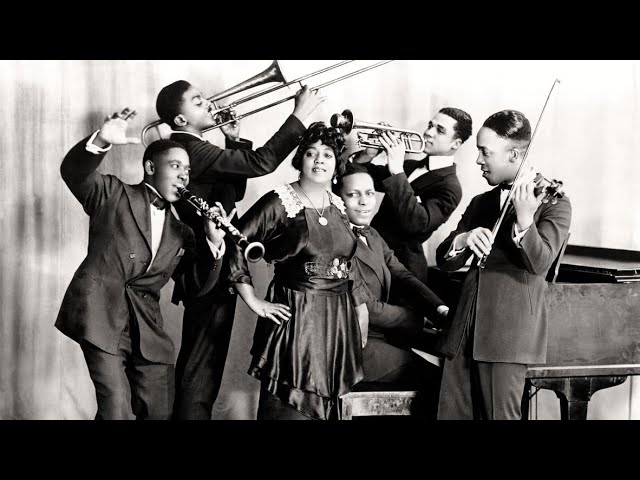
A song written by songwriter and performer Perry Bradford.
The release of this “Crazy Blues” marked the first appearance of a Black singer on a blues record and went on to sell over one million copies.
Rock Me, BabyB.B. King

B.B.
King is the most famous blues guitarist from Itta Bena, Mississippi.
“Rock Me, Baby” lets you enjoy a performance sprinkled throughout with electric blues guitar techniques.
It also features B.B.’s style of not playing the guitar while he’s singing.
Bo DiddleyBo Diddley
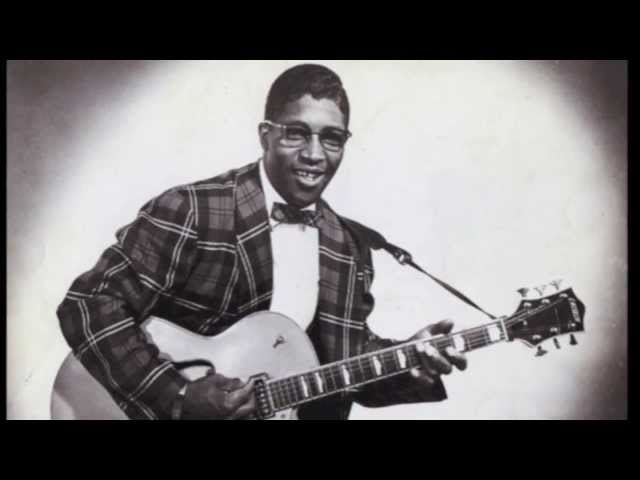
The lyrics of this song were inspired by the American folk song “Mockingbird.” Born as Ellas Bates and taking his stage name from the Diddley bow, a musical instrument from the Deep South, Bo Diddley rewrote the lyrics and released the song in 1955, reaching No.
1 on the Rhythm & Blues chart.